State law now bars highway districts from reducing road widths or and limits where they can eliminate traffic lanes in favor of multimodal infrastructure.


Two new Idaho state laws are directly impacting Complete Streets projects in Boise, where the city has been forced to halt or change plans for three downtown street safety projects.
As Margaret Carmel explains in BoiseDev, “These new rules narrow the definition of the type of projects highway districts can build to be specifically tailored to cars and remove the authority of highway district commissioners to add pedestrian and bicycle infrastructure as a secondary aspect of a project, not the main purpose. It also blocks highway districts from reducing the width of roadways.”
The rules force Boise to change its plans for three major projects that proposed a reduction in lanes on State Street, 8th Street, and Americana Boulevard to make room for wider sidewalks and bus pullouts. “This will be the third time this section of State Street will go to the drawing board. The rebuild of the busy downtown corridor was originally designed to rebuild the entire stretch from 16th to 2nd streets in 2021, but a newly elected majority of commissioners with more of a focus on bicycle and pedestrian safety improvements opted to reject a bid for the project in 2023.”
City officials say the laws will not affect federally funded projects already underway, including 12 projects in the Boise Bench and Garden City areas.
FULL STORY: New state law ends or changes plans for State Street rebuild, two downtown Boise projects

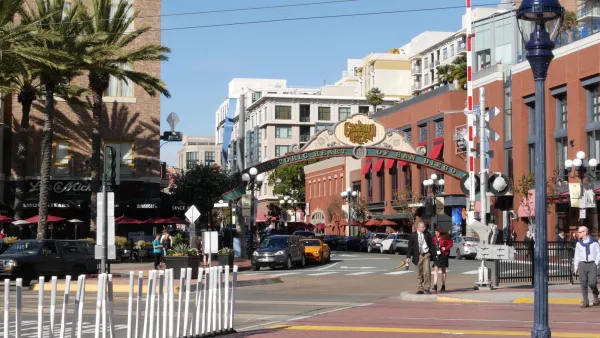
San Diego budget axes multimodal team at DOT
The budget scales back funding for some bike lane and traffic safety projects that are already in the works.
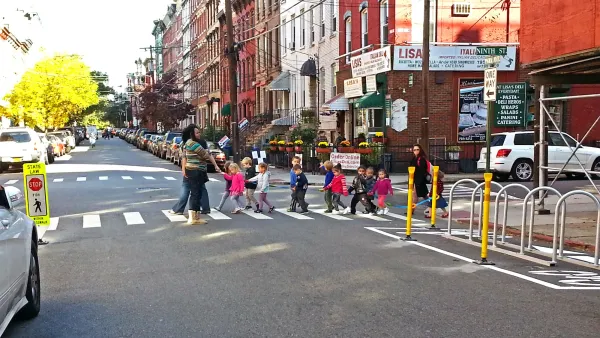
Hoboken celebrates 9 years without a traffic death
Hoboken, New Jersey also has the nation's highest percentage of transit commuters.
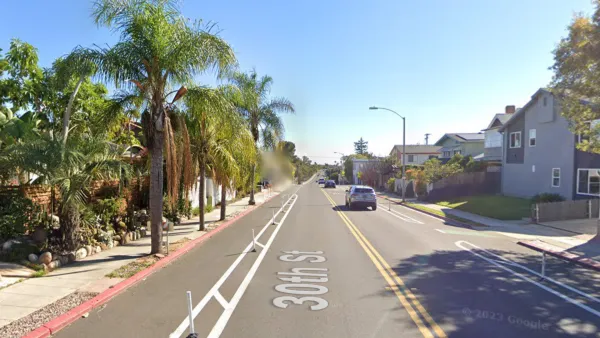
After San Diego Installed a Protected Bike Lane, Ridership More Than Doubled — and Hasn’t Stopped Growing.
“When people feel safe, they ride.”

Planetizen Federal Action Tracker
A weekly monitor of how Trump’s orders and actions are impacting planners and planning in America.

The state-sanctioned urbicide of Austin
People don’t kill cities. Freeways do.

US to reduce Colorado River water deliveries to Mexico
A new Colorado Treaty amendment reduces Mexico’s Colorado River water allocation by 250,000 acre feet.

5 New England states march closer to 800 megawatt wind energy project
Securing federal approval for the project may be complicated under the Trump administration, which has historically been hostile towards domestic wind power.

Baltimore to break ground on $50 million Transit Priority Project
The project will bring faster bus trips, safer streets and better bike connections to Baltimore.

Airbnb launches $250 million 'last-dollar financing' housing accelerator, makes first investment in Austin
The company will put $6.4 million towards affordable housing development in Texas’ capital.

FREE Course: Walkable City 1: Why Walkability?
After describing his path towards focusing on walkability as the essence of good planning, Jeff Speck marches through his five principal reasons for making more walkable places.
Reinventing Malls: Planning Alchemy—Turning Gray Fields Into Gold
The course focuses on the opportunities and imperatives that shape reinvention of mall sites.

Eagle County Government
Harvard University Graduate School of Design
Nashville Planning Department
The Architects Foundation
University of Cincinnati Online
The Pocatello Development Authority
The Urban Renewal Agency of the City of Pocatello
Journal of the American Planning Association