About half of California's 107 Indian tribes have casinos. For tribes considering gaming, location still matters most.


"California has 107 federally recognized tribes more than any other state but only half of them have casinos, and many of the state's tribes remain mired in poverty. Of the tribes that offer gambling, many operate small casinos. Only about 15 have the current legal limit of 2,000 slot machines... With annual gross revenue estimated at more than $5 billion, Indian casinos in California amount to about a third of the $14.5 billion brought in nationally by tribal gambling. California has a fourth of the nation's Indian casinos..." New agreements being consider by the Schwarzenegger administration would make it much more difficult "for smaller tribes to compete successfully. It also could prove prohibitive for established gambling tribes on California's outskirts, such as the Twenty-Nine Palms Band of Mission Indians, a half-hour drive beyond some of Southern California's more profitable casinos."
Thanks to Chris Steins
Read the full story: Stacked Against Remote Tribes?


Planetizen Federal Action Tracker
A weekly monitor of how Trump’s orders and actions are impacting planners and planning in America.

‘Going backwards:’ Baltimore mayor, students rally against state's transit funding plan
Maryland's proposed six-year plan provides no funding for Baltimore’s BMORE bus program and reduces its road maintenance funding.
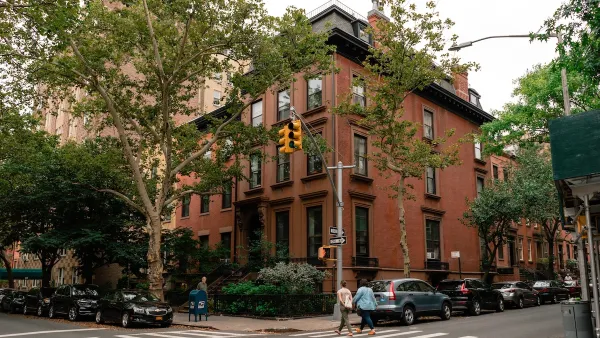
Mamdani sent nearly 6,000 pied-à-terre tax warnings to homes that didn’t qualify
A judge has ordered the administration to cancel thousands of pied-à-terre tax notices after it sent 35% of them erroneously.

MTA expects Trump’s tariffs to increase new NYC transit costs by $1 billion
The Metropolitan Transit Authority said the cost of new subway cars has risen by 30% since Trump began his second term as president.

Alaska takes public comment on new long-term plan for roads, bridges and more
Alaska's draft Statewide Transportation Improvement Program includes over $1 billion for the Alaska Marine Highway System.

A Colorado neighborhood is the testing ground for the future of home energy
A start up may have found a way to quickly bring geothermal energy to new communities.

FREE Course: Walkable City 1: Why Walkability?
After describing his path towards focusing on walkability as the essence of good planning, Jeff Speck marches through his five principal reasons for making more walkable places.
Reinventing Malls: Planning Alchemy—Turning Gray Fields Into Gold
The course focuses on the opportunities and imperatives that shape reinvention of mall sites.

City of Thousand Oaks
City of Wisconsin Rapids
Harvard University Graduate School of Design
The Architects Foundation
University of Cincinnati Online
Northern Illinois Transit Authority (NITA)
The Pocatello Development Authority
The Urban Renewal Agency of the City of Pocatello