Citing “a challenging fiscal landscape,” the city will cease the program on the heels of 42 traffic deaths, including 24 pedestrians.


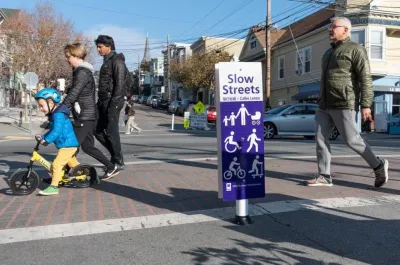
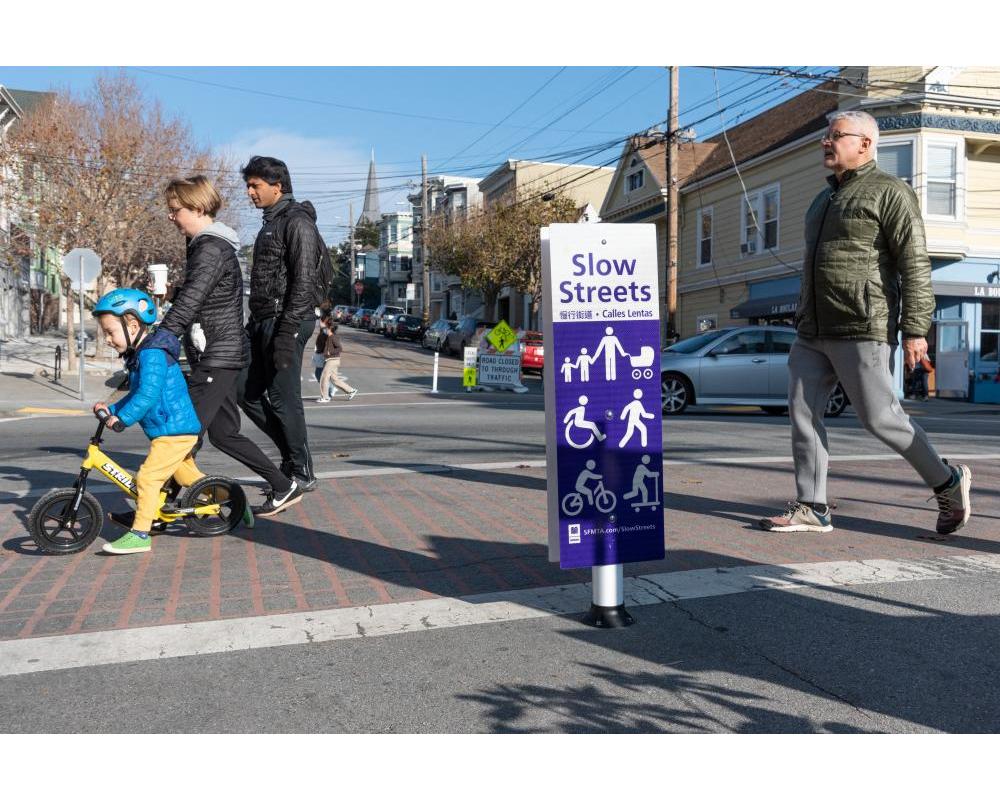
San Francisco is ending its Residential Traffic Calming Program citing cost concerns, reports Matthew Green for KQED.
“Since the launch of the traffic calming program in 2013, residents have been able to ask the city to install new speed-reducing devices, such as concrete islands, speed bumps (and humps), road markings and rubber road cushions, in their neighborhoods.” Now, the San Francisco Municipal Transportation Agency (SFTMA) says high costs and demand are forcing the agency to suspend the program as it faces a $322 million deficit next year.
Since 2018, the city has installed over 500 traffic calming devices thanks to resident requests, and over 1,200 devices total. Yet 2024 was still the city’s deadliest year in at least 20 years for traffic deaths, and traffic citations declined by almost 90 percent between 2014 and 2024 due to police staffing shortages and new regulations.
Marta Lindsey of Walk San Francisco said she hopes the city will return with a more comprehensive approach to Vision Zero. “I hope SFMTA catches up on this backlog, but then comes back with a better program that can be proactive and bring speed humps to entire neighborhoods where they’re needed instead of this ‘speed hump by speed-hump’ approach.”
Read the full story: SF Ends Program Allowing Residents to Request Street Safety Improvements

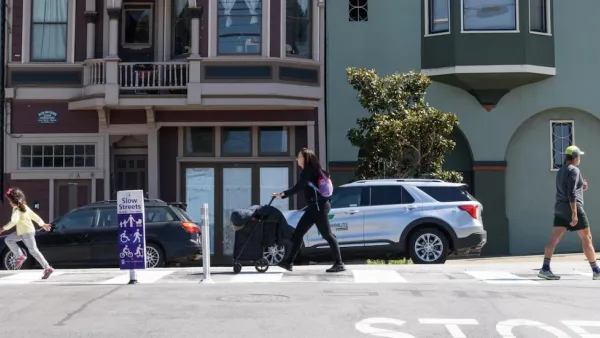
San Francisco Slow Streets Bucks Citywide Trend, Reducing Injuries by 61 Percent
Low-cost interventions aimed at slowing traffic are making a major impact on road safety.
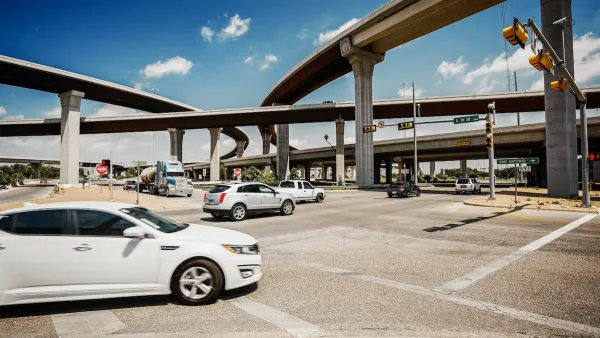
Report: Vision Zero Saving Lives in Austin
Safety improvements at major intersections led to a 22 percent reduction in deaths and severe injuries and saved the city over $28 million.
A Look at Milwaukee’s Vision Zero Efforts
The city is making slow but steady progress on reducing traffic deaths. Some advocates say changes aren’t being implemented fast enough to save lives.

Planetizen Federal Action Tracker
A weekly monitor of how Trump’s orders and actions are impacting planners and planning in America.

California plans to bury El Niño’s downpour
If the state plays its cards right, it may be able to store a billion acre-feet of El Niño’s water in aquifers.

Chicago breaks ground on $3 billion megadevelopment
The new neighborhood, titled Foundry Park, will one day host 3,700 residences.

Satanic Place Names
From streams and lakes to valleys and canyons, I mapped more than 1,000 places named after the Devil.

California High-Speed Rail Authority CEO resigns after $600,000 scandal
Under Ian Choudri, the authority used taxpayer dollars to fund first class flights and trips to nightclubs.

Want to study the Missouri River? Soon, you may need unanimous approval from 10 states
Legislation would require 10 governors’ permission to study or build projects moving water outside the basin.

FREE Course: Walkable City 1: Why Walkability?
After describing his path towards focusing on walkability as the essence of good planning, Jeff Speck marches through his five principal reasons for making more walkable places.
Reinventing Malls: Planning Alchemy—Turning Gray Fields Into Gold
The course focuses on the opportunities and imperatives that shape reinvention of mall sites.

City of Rosemead
Rutgers University, Edward J. Bloustein School of Planning and Public Policy
One Hundred Miles
Hunter College, City University of New York (CUNY)
The Architects Foundation
University of Cincinnati Online
City of Cambridge
Montrose County
The Pocatello Development Authority