The Philadelphia-area transit agency is legally tasked with maintaining a balanced budget. Officials hope the state will come to the rescue with additional funding.


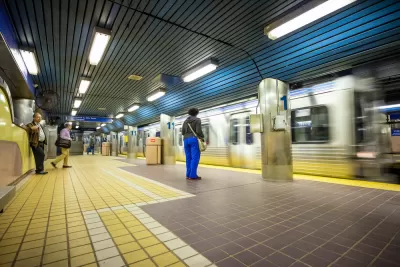
A budget adopted by the Southeastern Pennsylvania Transportation Authority (SEPTA) cuts the agency’s budget nearly in half. “In all, service will be cut 45% in addition the fare increase, which will bring SEPTA’s base price to $2.90 per ride,” writes Thomas Fitzgeland in the Philadelphia Inquirer.
The agency is required by law to maintain a balanced budget. “Meanwhile, legislative leaders say the state budget that could help won’t be finished before the July 1 start of the fiscal year.” A proposed state budget passed by the House in June would give SEPTA about $166 million in the first year of a five-year plan. “The House bill also would set up a bipartisan commission to devise a funding plan that would avoid near-yearly battles that leave transit agencies hanging.”
FULL STORY: SEPTA board approves budget that will slash nearly half its transit service

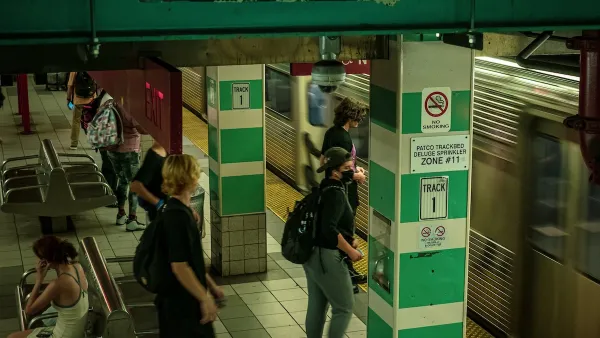
SEPTA Proposes $400M From State Fund to Delay Service Cuts
The plan would stave off service cuts for two years, but even if approved, the agency plans to go ahead with fare hikes on September 14.
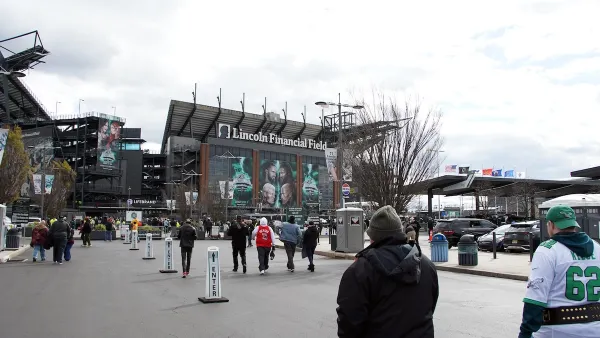
Sports Gambling Company Sponsors Suspended Philly Stadium Train Amidst SEPTA Cuts
After SEPTA announced it would have to cut the subway line that leads to Lincoln Field, FanDuel offered $80k to keep the train running for the season opener.
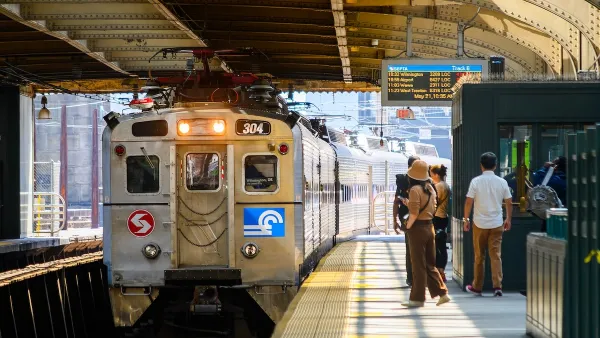
Judge Orders SEPTA to Stop Service Cuts, Fare Increases
The Philadelphia transit agency planned a ⅕ reduction in service and fare hikes to make up for its $213 million budget deficit.

Planetizen Federal Action Tracker
A weekly monitor of how Trump’s orders and actions are impacting planners and planning in America.

The state-sanctioned urbicide of Austin
People don’t kill cities. Freeways do.

US to reduce Colorado River water deliveries to Mexico
A new Colorado Treaty amendment reduces Mexico’s Colorado River water allocation by 250,000 acre feet.

Airbnb launches $250 million 'last-dollar financing' housing accelerator, makes first investment in Austin
The company will put $6.4 million towards affordable housing development in Texas’ capital.

Guerilla urbanists are building DIY bus stop benches in Chicago
A before-and-after of one of the bus stops with a new bench. The new benches are not officially sanctioned or permitted, but the residents who placed them hope they will be the start of a network of DIY benches across the city.

Mamdani overhauls NYC's Vision Zero plan with 100 new policy goals
The overhaul aims to reduce traffic deaths and make streets safer for pedestrians, cyclists and drivers through lower speed limits, new safety infrastructure and more.

FREE Course: Walkable City 1: Why Walkability?
After describing his path towards focusing on walkability as the essence of good planning, Jeff Speck marches through his five principal reasons for making more walkable places.
Reinventing Malls: Planning Alchemy—Turning Gray Fields Into Gold
The course focuses on the opportunities and imperatives that shape reinvention of mall sites.

Eagle County Government
Harvard University Graduate School of Design
Nashville Planning Department
The Architects Foundation
University of Cincinnati Online
The Pocatello Development Authority
The Urban Renewal Agency of the City of Pocatello
Journal of the American Planning Association