Green spaces like South L.A. Wetlands Park are helping South Los Angeles residents promote healthy lifestyles, build community, and advocate for improvements that reflect local needs in historically underserved neighborhoods.


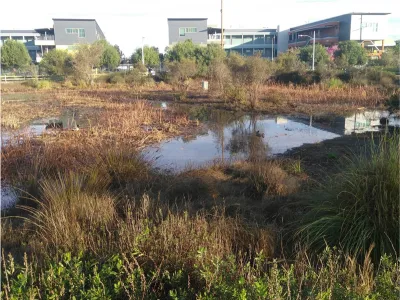
In the heart of South Los Angeles, where concrete and traffic often dominate the landscape, green spaces like South L.A. Wetlands Park, Gilbert Lindsay Park, and South Park serve as vital oases for low-income communities. These parks offer much-needed opportunities to connect with nature, support mental well-being, and counter the inequity of green space access — residents of L.A. County are three times more likely to live in areas with little or no greenery, according to the USC Equity Research Institute. South L.A. Wetlands Park, built on a former Metro maintenance site, features stormwater harvesting systems and abundant wildlife, promoting ecological restoration and neighborhood health.
The park is also a hub for community activity. Local organizations like Barrios Athletics and the South Central Residents Association host races, meetings, and neighborhood events that foster engagement and stewardship. Community members like Víctor Vázquez and María Sánchez have witnessed the park’s evolution firsthand, advocating for improvements to meet local needs. Their activism — including a successful petition for restroom facilities — has helped spark broader civic participation and foster a stronger sense of ownership among residents.
These grassroots efforts were recently rewarded when District 9 Councilmember Curren Price announced a $4.2 million grant for park upgrades. Residents are hopeful this investment will reflect their vision, not that of outside developers. Sánchez dreams of transforming an abandoned building into a community hub with workshops, a gym, or even a pool. For advocates like her and Vázquez, these parks are more than green space—they're a symbol of resilience, health, and the power of a community that refuses to be overlooked.
FULL STORY: Green spaces in South LA promote a health lifestyle among nature

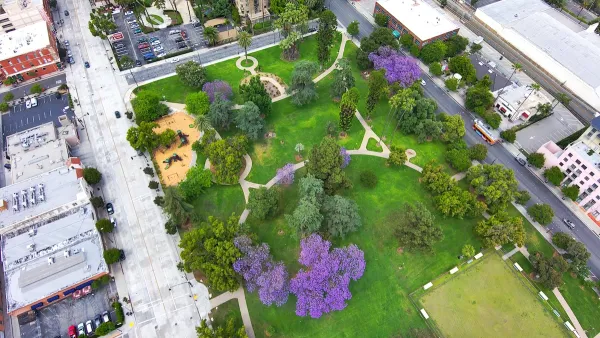
Los Angeles County Invests in Wildfire Recovery for Parks, Trails, and Open Space
The $4.25 million RESTORE Program supports the recovery of parks, trails, and open spaces damaged by the January 2025 wildfires through targeted grants that promote community healing, wildfire resilience, and equitable access to nature.
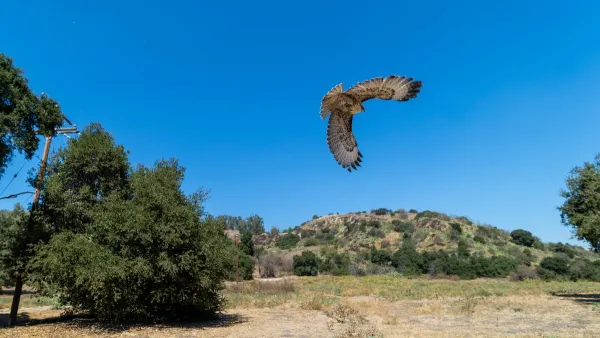
A Greener LA County: 623 Acres of New Parkland for Communities
Los Angeles County is investing $17 million to create 623 acres of new parks and open spaces, expanding access to nature, advancing equity, and enhancing community health and well-being.
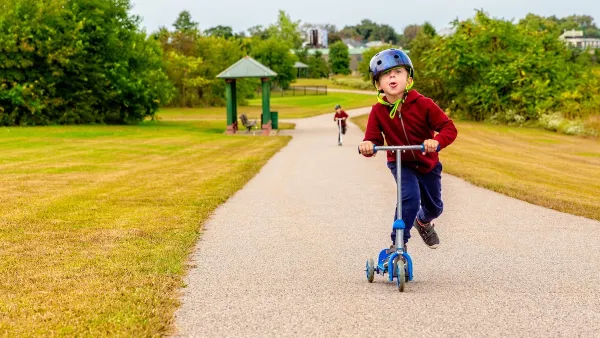
Parks as Community Lifelines: Supporting Residents During Times of Crisis
The Los Angeles County Department of Parks and Recreation demonstrates how parks serve as vital community infrastructure by adapting to crises, offering public health services, disaster relief, and essential support for residents in need.

Planetizen Federal Action Tracker
A weekly monitor of how Trump’s orders and actions are impacting planners and planning in America.

The state-sanctioned urbicide of Austin
People don’t kill cities. Freeways do.

US to reduce Colorado River water deliveries to Mexico
A new Colorado Treaty amendment reduces Mexico’s Colorado River water allocation by 250,000 acre feet.

5 New England states march closer to 800 megawatt wind energy project
Securing federal approval for the project may be complicated under the Trump administration, which has historically been hostile towards domestic wind power.

Baltimore to break ground on $50 million Transit Priority Project
The project will bring faster bus trips, safer streets and better bike connections to Baltimore.

Airbnb launches $250 million 'last-dollar financing' housing accelerator, makes first investment in Austin
The company will put $6.4 million towards affordable housing development in Texas’ capital.

FREE Course: Walkable City 1: Why Walkability?
After describing his path towards focusing on walkability as the essence of good planning, Jeff Speck marches through his five principal reasons for making more walkable places.
Reinventing Malls: Planning Alchemy—Turning Gray Fields Into Gold
The course focuses on the opportunities and imperatives that shape reinvention of mall sites.

Eagle County Government
Harvard University Graduate School of Design
Nashville Planning Department
The Architects Foundation
University of Cincinnati Online
The Pocatello Development Authority
The Urban Renewal Agency of the City of Pocatello
Journal of the American Planning Association