A lack of funding prevents many U.S. parks and public spaces from playing a more significant role in helping residents meet daily needs.


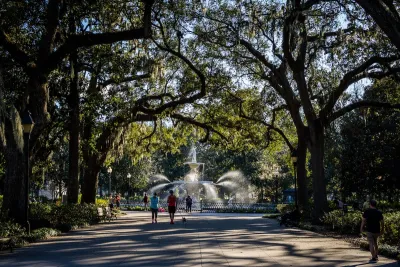
A survey from Project for Public Spaces asked respondents to describe how they feel about their local public spaces and what amenities could make them better and more welcoming.
According to a Smart Cities Dive article by Rachel H. Pollack, the survey reveals that only 5 percent of respondents feel that public spaces are fully meeting community needs or letting residents easily and equitably “go outside, connect with neighbors and families and meet daily needs.” Respondents, some of whom were professionals from city planning and civic engineering, cited funding as a key factor impacting U.S. public space development and maintenance.
Interventions that improve public space can cater to the specific needs of each city, such as regional extreme weather events. “Cities can introduce new trees and awnings in public spaces to increase shade and combat rising temperatures, as in Phoenix, helping people better enjoy them. And they can design rain gardens and other green infrastructure in public spaces to help mitigate the effects of flooding, as New York City has done.”
FULL STORY: Public spaces could better meet community needs: survey

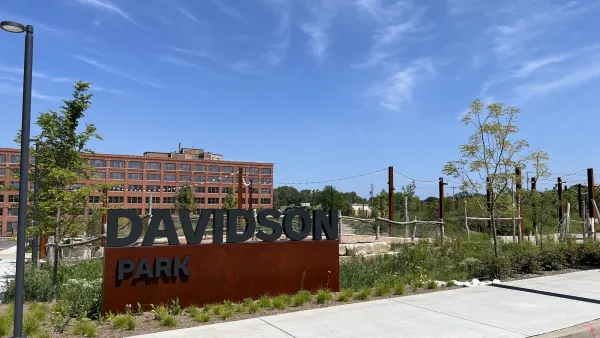
Harley-Davidson turned a Milwaukee parking lot into a green oasis
The park, adjacent to Harley-Davidson headquarters, doubles as stormwater retention infrastructure.
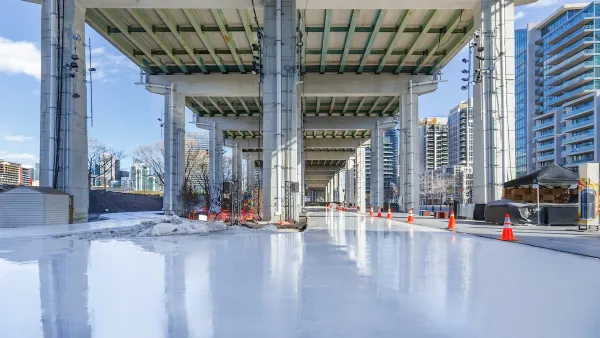
Montreal’s Gorilla Park Repurposes Defunct Railway Track
The park is part of a global movement to build public spaces that connect neighbors and work with local elements to serve as key parts of a city’s green infrastructure.
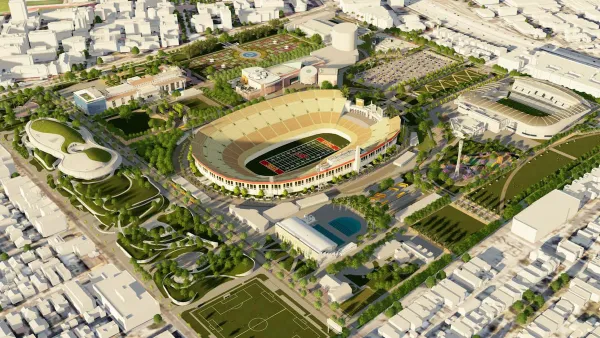
Exposition Park’s $351.5 Million Transformation
This revitalization will create vital green spaces, improve accessibility, and enhance connections with community, making Exposition Park a central hub for recreation and culture in Los Angeles.

Planetizen Federal Action Tracker
A weekly monitor of how Trump’s orders and actions are impacting planners and planning in America.

The state-sanctioned urbicide of Austin
People don’t kill cities. Freeways do.

US to reduce Colorado River water deliveries to Mexico
A new Colorado Treaty amendment reduces Mexico’s Colorado River water allocation by 250,000 acre feet.

Mamdani overhauls NYC's Vision Zero plan with 100 new policy goals
The overhaul aims to reduce traffic deaths and make streets safer for pedestrians, cyclists and drivers through lower speed limits, new safety infrastructure and more.

Amtrak not solely to blame for New Jersey commuter rail's unreliability, report finds
A new study from the Garden State Initiative found that NJ Transit’s budget grew 20% across a 4 year period, but reliability declined significantly over the same period.

EPA erases limits on planet-warming pollution from power plants
Under Monday’s plan, power plants would still have some limits on how much mercury, arsenic and other contaminants they can emit.

FREE Course: Walkable City 1: Why Walkability?
After describing his path towards focusing on walkability as the essence of good planning, Jeff Speck marches through his five principal reasons for making more walkable places.
Reinventing Malls: Planning Alchemy—Turning Gray Fields Into Gold
The course focuses on the opportunities and imperatives that shape reinvention of mall sites.

Eagle County Government
Harvard University Graduate School of Design
Nashville Planning Department
The Architects Foundation
University of Cincinnati Online
The Pocatello Development Authority
The Urban Renewal Agency of the City of Pocatello
Journal of the American Planning Association