Gavin Murphy, a New Zealand-based consultant with experience in indigenous-led geothermal projects, argues that Hawaiʻi is poised to achieve energy independence and economic growth by respectfully developing its untapped geothermal resources.


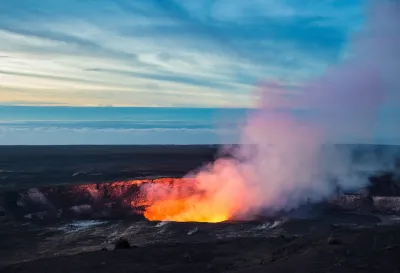
In this commentary, Gavin Murphy—a longtime advocate for economic development and former CEO of Trust Tairāwhiti, a regional community trust in New Zealand—shares his reflections on a recent visit to Hawaiʻi, where he met with Native Hawaiian geothermal advocates, state officials, and lawmakers. Murphy, who has supported indigenous-led geothermal projects in Aotearoa (New Zealand), sees Hawaiʻi at a critical juncture: residents of Hawaiʻi Island face the nation’s highest energy costs, and outmigration is rising as families struggle to afford basic living expenses. As reported by Murphy, the Hawaiʻi Department of Business, Economic Development and Tourism (DBEDT) is committed to identifying and developing geothermal sites to help stabilize electricity prices and boost local economic growth.
Murphy draws compelling parallels between Māori and Native Hawaiian cultural values, emphasizing the importance of respecting spiritual ties to geothermal resources. In both cultures, geothermal energy is considered a sacred treasure — taonga in Māori and connected to Tūtū Pele, the volcano goddess, in Hawaiian tradition. While New Zealand began producing geothermal power in 1958, Hawaiʻi only began in 1993, and now faces an urgent need to shift from costly imported fossil fuels to local, firm renewable sources. With a goal of reaching 100% renewable energy on the neighbor islands by 2035, DBEDT’s efforts—alongside an outreach plan by Waika Consulting to develop a 50–100MW power plant—are timely and necessary.
Murphy, who collaborated on New Zealand geothermal projects such as Te Ahi O Maui and Taheke 8C, believes Hawaiʻi can replicate that success. With strong support from Governor Josh Green, Mayor Mitch Roth, and other state leaders, he sees geothermal development as a transformative opportunity for the islands. By integrating indigenous leadership, cultural sensitivity, and long-term planning, Hawaiʻi has a chance to build a more sustainable, equitable energy system—one that benefits families, businesses, and future generations.
FULL STORY: Hawaiʻi Is On The Threshold Of A New Era Of Renewable Energy

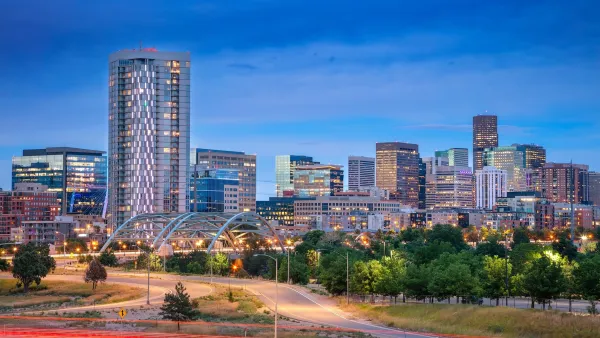
Denver is building a sewage-powered thermal energy network
A proposed thermal energy network will harness heat from the earth and from wastewater to power renewable heating and cooling systems.

A New Texas Neighborhood is Powered by Geothermal Energy
The 7,500-home development claims to be Austin’s ‘first zero energy planned community.’

An Untapped Energy Source: Underground Garages
A European study measured ambient air and groundwater temperatures in underground parking garages and found that the heat generated by these structures could potentially power thousands of households.

Planetizen Federal Action Tracker
A weekly monitor of how Trump’s orders and actions are impacting planners and planning in America.

The state-sanctioned urbicide of Austin
People don’t kill cities. Freeways do.

US to reduce Colorado River water deliveries to Mexico
A new Colorado Treaty amendment reduces Mexico’s Colorado River water allocation by 250,000 acre feet.

5 New England states march closer to 800 megawatt wind energy project
Securing federal approval for the project may be complicated under the Trump administration, which has historically been hostile towards domestic wind power.

Baltimore to break ground on $50 million Transit Priority Project
The project will bring faster bus trips, safer streets and better bike connections to Baltimore.

Airbnb launches $250 million 'last-dollar financing' housing accelerator, makes first investment in Austin
The company will put $6.4 million towards affordable housing development in Texas’ capital.

FREE Course: Walkable City 1: Why Walkability?
After describing his path towards focusing on walkability as the essence of good planning, Jeff Speck marches through his five principal reasons for making more walkable places.
Reinventing Malls: Planning Alchemy—Turning Gray Fields Into Gold
The course focuses on the opportunities and imperatives that shape reinvention of mall sites.

Eagle County Government
Harvard University Graduate School of Design
Nashville Planning Department
The Architects Foundation
University of Cincinnati Online
The Pocatello Development Authority
The Urban Renewal Agency of the City of Pocatello
Journal of the American Planning Association