The 7,500-home development claims to be Austin’s ‘first zero energy planned community.’


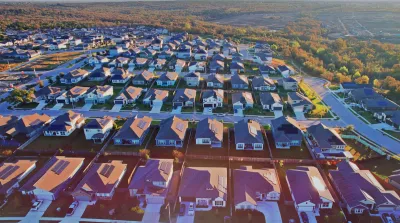
A new development just outside Austin, Texas boasts a massive geothermal heating and cooling system and other features that make the community one of the most sustainable in the nation.
As Terry L. Jones explains in a piece for Floodlight, “When completed, Whisper Valley will consist of approximately 7,500 owner-occupied and rental homes and multi-family units ranging in price from $350,000 to $750,000; three schools, 2 million square feet of commercial space and 700 acres of park and outdoor community spaces.” The community is also slated to include affordable housing built by Habitat for Humanity.
Residents who already live in the completed parts of the community say they have seen major cost savings on their heating and cooling bills. “The developer calls geothermal a “common sense” way to preserve the planet by cutting the use of fossil fuels to power the homes and businesses here.”
Not every developer building homes in Whisper Valley is using the geothermal HVAC system due to the high up-front cost of installing heat pumps, which runs roughly $40,000 per home. Although geothermal cooling has been around for centuries in one form or another, modern heat pumps have higher costs than some solar or wind infrastructure.
However, like with all new technology, costs will come down as more geothermal projects are implemented, experts say. And while President Trump took aim at solar and wind energy in recent federal funding cuts, tac credits geothermal, nuclear, and hydropower projects are so far safe. According to Bryant Jones, executive director of Geothermal Rising, tax credits are needed to jump-start the industry. “Geothermal doesn’t have a technology problem, it has a policy problem. (It’s) been around for over 100 years, (but) it hasn’t had the policy support the way the oil and gas industry has, or the nuclear industry, and most recently, the solar and wind industry.”
FULL STORY: At a novel Austin-area neighborhood, geothermal energy keeps utility bills low


Denver is building a sewage-powered thermal energy network
A proposed thermal energy network will harness heat from the earth and from wastewater to power renewable heating and cooling systems.
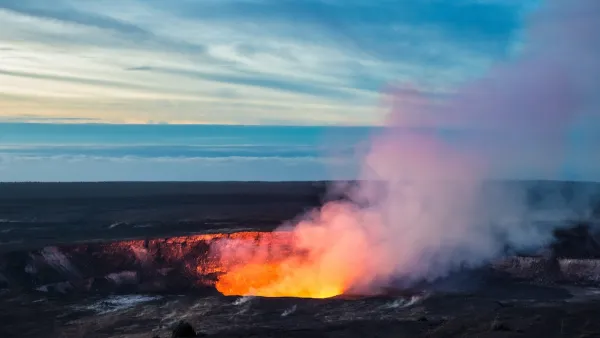
Can Geothermal Energy Fuel Hawaiʻi’s Future?
Gavin Murphy, a New Zealand-based consultant with experience in indigenous-led geothermal projects, argues that Hawaiʻi is poised to achieve energy independence and economic growth by respectfully developing its untapped geothermal resources.

An Untapped Energy Source: Underground Garages
A European study measured ambient air and groundwater temperatures in underground parking garages and found that the heat generated by these structures could potentially power thousands of households.

Planetizen Federal Action Tracker
A weekly monitor of how Trump’s orders and actions are impacting planners and planning in America.

The state-sanctioned urbicide of Austin
People don’t kill cities. Freeways do.

US to reduce Colorado River water deliveries to Mexico
A new Colorado Treaty amendment reduces Mexico’s Colorado River water allocation by 250,000 acre feet.

LA Metro’s ultimatum: no extra buses for LA28 if federal funding isn’t imminently secured
If Metro does not provide additional buses, LA28 organizers will have to find a new way to manage Olympic traffic. LA28’s budget does not include a line item for transit.

Colorado’s Largest Data Center Could Rise Next to Homes — Without a Public Hearing
The proposed campus would consume 11 times the power of Denver International Airport; as it has across the country, opposition mounts.

5 New England states march closer to 800 megawatt wind energy project
Securing federal approval for the project may be complicated under the Trump administration, which has historically been hostile towards domestic wind power.

FREE Course: Walkable City 1: Why Walkability?
After describing his path towards focusing on walkability as the essence of good planning, Jeff Speck marches through his five principal reasons for making more walkable places.
Reinventing Malls: Planning Alchemy—Turning Gray Fields Into Gold
The course focuses on the opportunities and imperatives that shape reinvention of mall sites.

Eagle County Government
Harvard University Graduate School of Design
Nashville Planning Department
The Architects Foundation
University of Cincinnati Online
The Pocatello Development Authority
The Urban Renewal Agency of the City of Pocatello
Journal of the American Planning Association