A proposed thermal energy network will harness heat from the earth and from wastewater to power renewable heating and cooling systems.


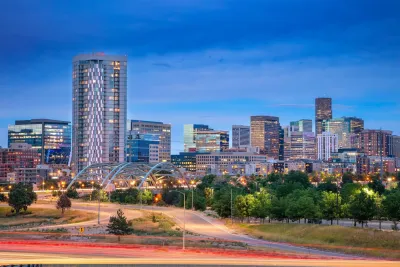
Denver is planning to build a thermal energy network to power a group of downtown buildings in a defunct boiler house, reports Ishan Thakore for NPR.
The project will use heat from wastewater to power heating and cooling mechanisms for buildings that currently rely on "the world's oldest continuously operating commercial steam system," a steam network that runs on natural gas. The city will repurpose parts of the system in an "ambient loop" for 11 city-owned buildings using circulated water and heat pumps.
"The city estimates it will cost roughly $280 million to $320 million to build out the network over the next decade, though it says those costs may fall. The pilot is being funded by a combination of city dollars and a state grant." The project is still roughly 75% less expensive than other options for decarbonizing the same buildings, according to a feasibility report. Geothermal energy, once the infrastructure is in place, is essentially free, and the city plans to use "sewer heat recovery" to harness heat from wastewater to bring down other energy costs.
Denver officials hope to eventually expand the network, tapping into the essentially limitless heat of the earth.
FULL STORY: Denver has a plan to heat and cool buildings without fossil fuels. It involves … sewage?


Harnessing Waste Heat Through Thermoelectricity
Heat from industrial installations and buildings can be captured to create renewable electricity.

An Untapped Energy Source: Underground Garages
A European study measured ambient air and groundwater temperatures in underground parking garages and found that the heat generated by these structures could potentially power thousands of households.

Report: U.S. Renewable Energy Production Rising Sharply
The proportion of energy produced by renewable sources in the United States has almost quadrupled in the last decade.

The state-sanctioned urbicide of Austin
People don’t kill cities. Freeways do.

US to reduce Colorado River water deliveries to Mexico
A new Colorado Treaty amendment reduces Mexico’s Colorado River water allocation by 250,000 acre feet.

New Jersey’s second-largest city bans standalone data centers
Jersey City will continue to allow co-location facilities, such as those meant for research institutions that store their own data.

Amtrak not solely to blame for New Jersey commuter rail's unreliability, report finds
A new study from the Garden State Initiative found that NJ Transit’s budget grew 20% across a 4 year period, but reliability declined significantly over the same period.

EPA erases limits on planet-warming pollution from power plants
Under Monday’s plan, power plants would still have some limits on how much mercury, arsenic and other contaminants they can emit.

Phoenix announces new on-demand transit service, more frequent RAPID buses
Both new services will launch in October, and are part of Phoenix's Project Effective Access Solutions for Easing Congestion.

FREE Course: Walkable City 1: Why Walkability?
After describing his path towards focusing on walkability as the essence of good planning, Jeff Speck marches through his five principal reasons for making more walkable places.
Reinventing Malls: Planning Alchemy—Turning Gray Fields Into Gold
The course focuses on the opportunities and imperatives that shape reinvention of mall sites.

Eagle County Government
Harvard University Graduate School of Design
Nashville Planning Department
The Architects Foundation
University of Cincinnati Online
The Pocatello Development Authority
The Urban Renewal Agency of the City of Pocatello
Journal of the American Planning Association