Decades of restoration efforts are yielding positive results as dozens of species of fish return to the once-polluted waterway.


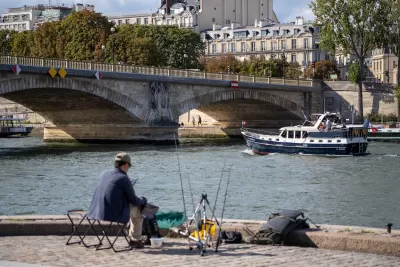
After years of being “biologically dead,” Paris’ River Seine is alive with fish and other marine life, reports Peter Yeung in Reasons to Be Cheerful.
In fact, in the 1970s there were only three fish species left in the 777-kilometer (482-mile) river, which spans northern France and cuts through the capital city. But after decades of urban water policies alongside community efforts, there are now nearly 40 that have been officially registered, with new species turning up all the time.
The city vastly improved its wastewater treatment system starting with its first strategic plan in 1929, leading to better water quality in the once-polluted river. The river was finally deemed safe for human swimming in 2024, just in time for the Summer Olympics. The city will also open three public swimming sites along the Seine in summer of this year.
“Yet recognition must also be given to the associations of fishermen in Paris, who, mostly on a voluntary basis, have been monitoring fish populations for years, as well as adopting sustainable practices such as banning fishing in reproductive seasons,” Yeung adds. However, challenges remain as new pollutants, climate change, and invasive species slow European cities’ progress in cleaning and protecting urban rivers like the Seine.
Read the full story: Fish Are Thriving in the River Seine
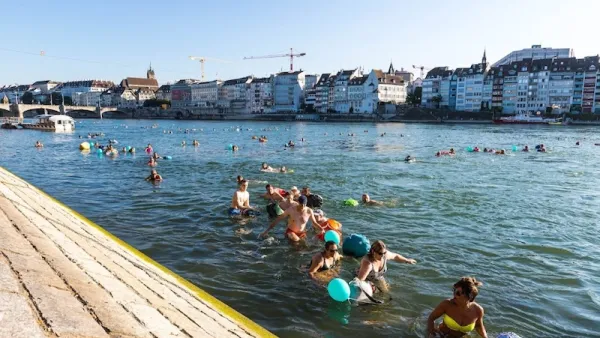
Is Your City Swimmable?
An interview with organizers of the inaugural Swimmable Cities Summit, which took place this June 22-24 in Rotterdam, NL.
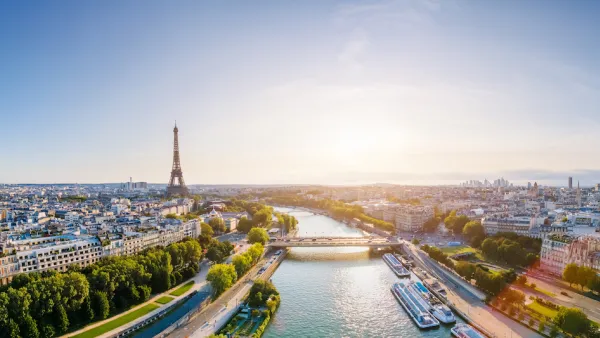
Meet the New River Seine
The Paris Olympics will highlight the renaissance of the city’s famous river.
Report: European Rivers Are in Trouble
Some of the continent’s most important rivers are suffering from overuse and pollution.

Planetizen Federal Action Tracker
A weekly monitor of how Trump’s orders and actions are impacting planners and planning in America.

Washington state to charge fee to drivers with fuel-efficient cars
Revenue from the fee will go towards supporting the state’s highways.

Illinois considers spending $1 billion in taxpayer money on data center
A quantum computing campus and data center are currently under construction in Chicago.

Trump to blast ‘hydrocarbon highway’ through ‘world’s longest art gallery’
Environmental and historic preservation groups are suing to stop the project.

25 states cast bids to be the home of U.S. Space Academy
The academy will train scientists, officers and astronauts for the U.S. Space Force.

Trump’s emergency orders to resuscitate coal plants cost ratepayers $593 million
Keeping coal plants on life support in Florida has cost ratepayers there $25.6 million.

FREE Course: Walkable City 1: Why Walkability?
After describing his path towards focusing on walkability as the essence of good planning, Jeff Speck marches through his five principal reasons for making more walkable places.
Reinventing Malls: Planning Alchemy—Turning Gray Fields Into Gold
The course focuses on the opportunities and imperatives that shape reinvention of mall sites.

City of Charlotte
City of Rosemead
Rutgers University, Edward J. Bloustein School of Planning and Public Policy
University of Michigan School for Environment and Sustainability (SEAS)
Hunter College, City University of New York (CUNY)
The Architects Foundation
University District Partnership