Transforming a former parking lot into a dynamic cultural hub, this new museum will feature expansive gallery spaces, theaters, educational areas, and lush green landscapes while prioritizing community engagement, local hiring, and inclusive design.


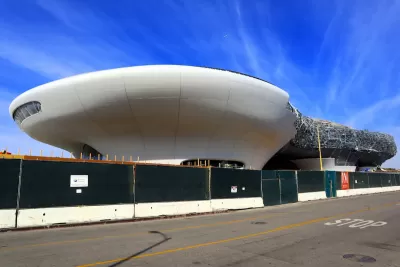
The Lucas Museum of Narrative Art, designed by MAD Architects, is under construction in Los Angeles’s Exposition Park, transforming a former asphalt parking lot into an 11-acre campus. As reported by Yagmur Baydir, the nearly 300,000-square-foot, five-story museum will feature 100,000 square feet of gallery space, two state-of-the-art theaters, educational and engagement areas, and various retail and dining options. The surrounding landscape, envisioned by Studio-MLA, will provide much-needed green space for South Los Angeles, incorporating architectural elements such as a hanging garden, amphitheater, pedestrian bridge, and waterfall-like fountain.
More than just a museum, the Lucas Museum’s design blends storytelling and architectural innovation, creating a dynamic environment for visitors. As an institution dedicated to narrative art, it will showcase an extensive collection that celebrates visual storytelling across various media. The project's construction process is guided by Stantec, ensuring that the ambitious vision comes to life. Additionally, the museum is committed to inclusivity and community engagement, actively collaborating with women-, minority-, and veteran-owned businesses.
The museum's construction has also brought economic benefits to the region, with a labor-friendly approach that prioritizes local hiring and workforce development. Approximately 60% of the construction workers come from LA County, providing valuable job opportunities to disadvantaged residents. As anticipation builds for its 2026 opening, the Lucas Museum is poised to become a major cultural destination, offering a unique and immersive experience that bridges the worlds of art, film, and architecture.
FULL STORY: Lucas Museum by MAD Architects to Open Its Doors in 2026 in LA

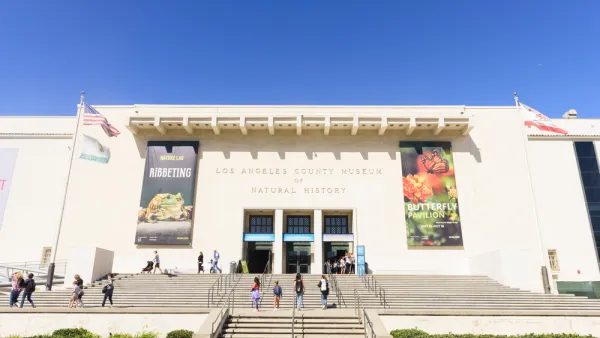
Lucas Museum Finally Finds a Home—in Los Angeles
This story has had more twists than the end of Empire Strikes Back, but it seems like it finally might end in Los Angeles.
A Call to Protect Cultural Institutions from Urban Renewal
While considering plans for a large urban renewal project in Hollywood, Los Angeles struggles to avoid throwing out the baby with the bathwater—that is, saving a place for small cultural institutions when redeveloping neighborhoods.
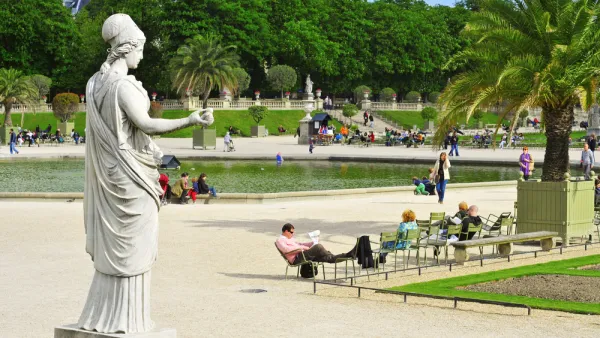
Museum Park Reflects Changing Preferences
Raleigh's North Carolina Museum of Art is redesigning its extensive grounds with an eye toward how public interaction with museums is shifting. Inclusion, sustainability, and brand development are paramount.

Planetizen Federal Action Tracker
A weekly monitor of how Trump’s orders and actions are impacting planners and planning in America.

The state-sanctioned urbicide of Austin
People don’t kill cities. Freeways do.

US to reduce Colorado River water deliveries to Mexico
A new Colorado Treaty amendment reduces Mexico’s Colorado River water allocation by 250,000 acre feet.

Mamdani overhauls NYC's Vision Zero plan with 100 new policy goals
The overhaul aims to reduce traffic deaths and make streets safer for pedestrians, cyclists and drivers through lower speed limits, new safety infrastructure and more.

Amtrak not solely to blame for New Jersey commuter rail's unreliability, report finds
A new study from the Garden State Initiative found that NJ Transit’s budget grew 20% across a 4 year period, but reliability declined significantly over the same period.

EPA erases limits on planet-warming pollution from power plants
Under Monday’s plan, power plants would still have some limits on how much mercury, arsenic and other contaminants they can emit.

FREE Course: Walkable City 1: Why Walkability?
After describing his path towards focusing on walkability as the essence of good planning, Jeff Speck marches through his five principal reasons for making more walkable places.
Reinventing Malls: Planning Alchemy—Turning Gray Fields Into Gold
The course focuses on the opportunities and imperatives that shape reinvention of mall sites.

Eagle County Government
Harvard University Graduate School of Design
Nashville Planning Department
The Architects Foundation
University of Cincinnati Online
The Pocatello Development Authority
The Urban Renewal Agency of the City of Pocatello
Journal of the American Planning Association