The transition from fossil fuels to renewable energy must be equitable, ensuring that workers receive support, communities are revitalized, and degraded lands are restored to create a more sustainable and inclusive future.


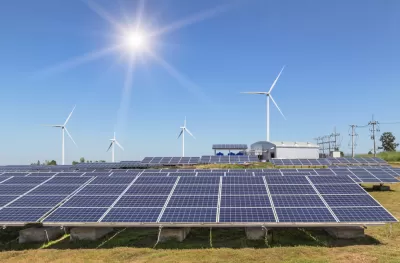
As the global community moves from fossil fuels to renewable energy, the concept of a "just transition" is critical to ensuring that this shift is fair and inclusive. While some policies may favor oil and gas development, economic, environmental, and social factors are driving the long-term shift toward renewables. Market forces, state and local initiatives, and international climate commitments reinforce the need for a just transition, ensuring that workers, communities, and the environment are not left behind. Without a structured approach, this transition risks deepening economic inequality and worsening environmental injustices in already vulnerable areas.
For workers in fossil fuel industries, a just transition provides support through retraining programs, workforce development, and financial assistance, helping them transition into emerging sectors like solar and wind energy. Labor unions and advocacy organizations play a key role in securing fair compensation, pension guarantees, and reemployment opportunities. Including workers in decision-making processes further strengthens their role in shaping policies that affect their livelihoods and future job security.
Communities historically burdened by oil and gas extraction activities often face economic decline and environmental degradation when fossil fuel operations shut down. A just transition seeks to revitalize these areas through investments in clean energy, sustainable industries, and improved infrastructure, such as parks, transportation, healthcare, and education. Economic diversification is essential to ensuring these communities do not suffer prolonged job losses or economic stagnation as industries evolve.
Finally, just transition efforts must address land restoration in areas affected by extraction and pollution. Reforestation, soil remediation, wetland restoration, and repurposing of industrial sites into community assets—such as parks, renewable energy hubs, or affordable housing—can create hope and new opportunities while restoring ecosystems. By prioritizing equity and sustainability, a just transition not only mitigates the harms of fossil fuel dependency but also builds a stronger, more resilient future for workers, communities, and the environment.
Read the full story: Just Transition

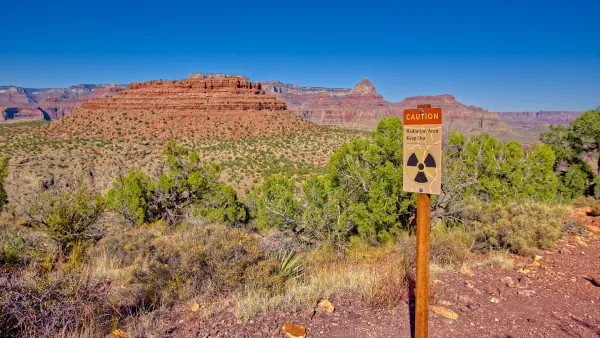
Integrating Human Rights Into Energy and Extractive Sector Transitions
Why just transition efforts must move beyond economic considerations by embedding human rights principles into business practices to ensure equitable, transparent, and accountable outcomes for affected communities and workers.
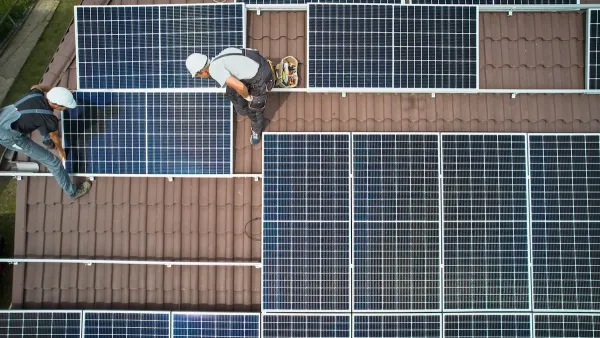
Building a Just Transition from the Ground Up
Effective just transitions require locally driven solutions that prioritize inclusion, agency, and accountability, ensuring that communities, cities, and national policies align to create equitable and sustainable economic opportunities.
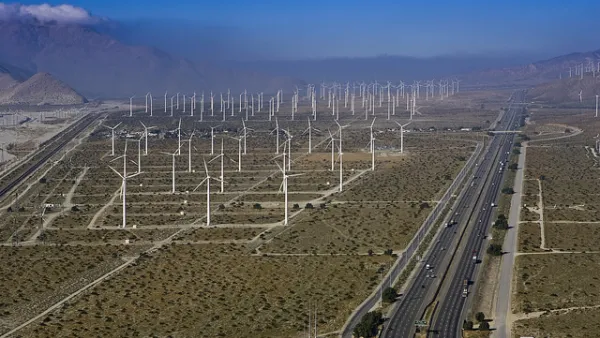
Just Transition: Bringing Equity to the Clean Energy Conversation
A new report from the Environmental Defense Fund offers a roadmap for countries, energy companies, and other stakeholders to navigate the complexities of transitioning to clean energy while ensuring equity at every step of the process.

Planetizen Federal Action Tracker
A weekly monitor of how Trump’s orders and actions are impacting planners and planning in America.

The state-sanctioned urbicide of Austin
People don’t kill cities. Freeways do.

US to reduce Colorado River water deliveries to Mexico
A new Colorado Treaty amendment reduces Mexico’s Colorado River water allocation by 250,000 acre feet.

Nation's most wind-powered state turns to coal as data centers increase energy demand
For the first time in decades, Iowa has increased its generation of coal power.

NYC cools commuters with city's first rain garden above a bus stop
New York City officials say the plants in the rain garden can absorb 16 gallons of rainwater during heavy storms.

Brightline West’s future may rely on $6 billion federal loan
The company has until Nov. 2 to make a $400 million equity investment into its proposed high-speed rail line.

FREE Course: Walkable City 1: Why Walkability?
After describing his path towards focusing on walkability as the essence of good planning, Jeff Speck marches through his five principal reasons for making more walkable places.
Reinventing Malls: Planning Alchemy—Turning Gray Fields Into Gold
The course focuses on the opportunities and imperatives that shape reinvention of mall sites.

Eagle County Government
Harvard University Graduate School of Design
Nashville Planning Department
The Architects Foundation
University of Cincinnati Online
The Pocatello Development Authority
The Urban Renewal Agency of the City of Pocatello
Journal of the American Planning Association