just transition
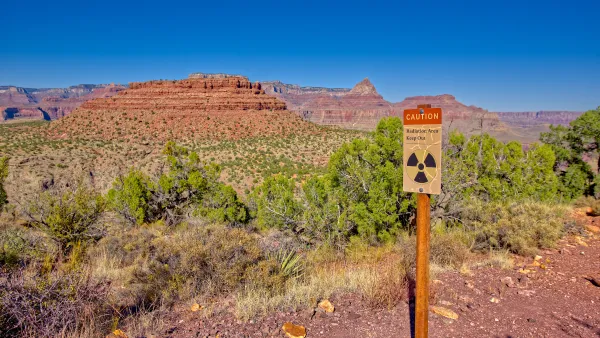
Integrating Human Rights Into Energy and Extractive Sector Transitions
Why just transition efforts must move beyond economic considerations by embedding human rights principles into business practices to ensure equitable, transparent, and accountable outcomes for affected communities and workers.
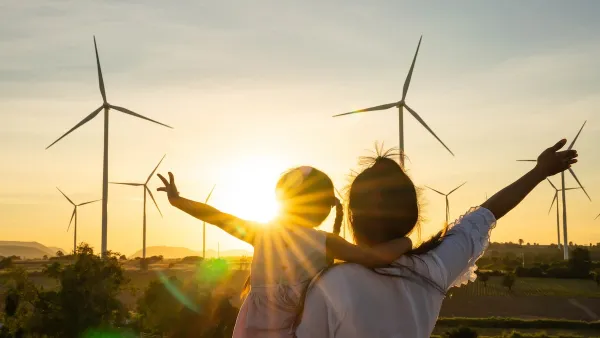
Art in Action: USC Event Calls for an Urgent Green Energy Transition
The El Respiro / Respire event at USC uses a large-scale human geochoreography to demand an urgent and equitable transition to green energy, blending art, activism, and community engagement to amplify the message of climate justice.
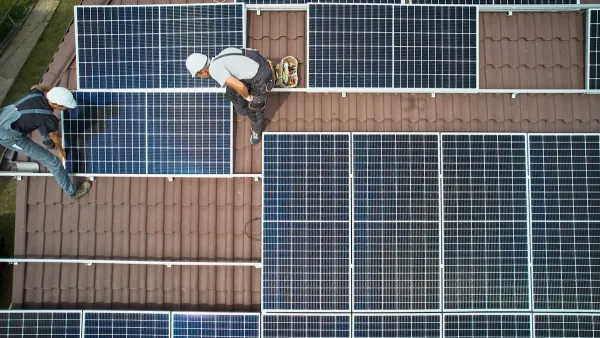
Building a Just Transition from the Ground Up
Effective just transitions require locally driven solutions that prioritize inclusion, agency, and accountability, ensuring that communities, cities, and national policies align to create equitable and sustainable economic opportunities.
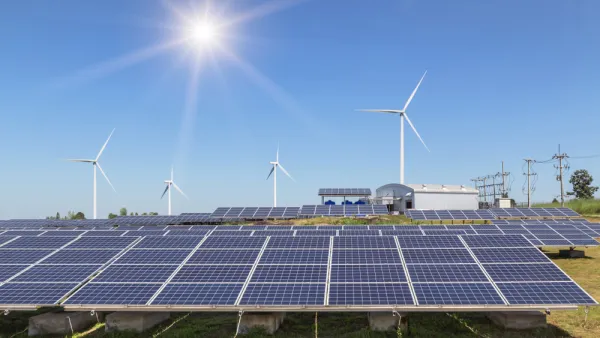
Equity in Energy: Protecting Livelihoods and Restoring Communities
The transition from fossil fuels to renewable energy must be equitable, ensuring that workers receive support, communities are revitalized, and degraded lands are restored to create a more sustainable and inclusive future.
Building a Cleaner Future: Financing the Coal-to-Clean Transition
The Coal-to-Clean Initiative is an effort to fund the early retirement of coal plants in emerging markets, urging public-private collaboration to achieve a just energy transition that limits global warming and supports sustainable growth.
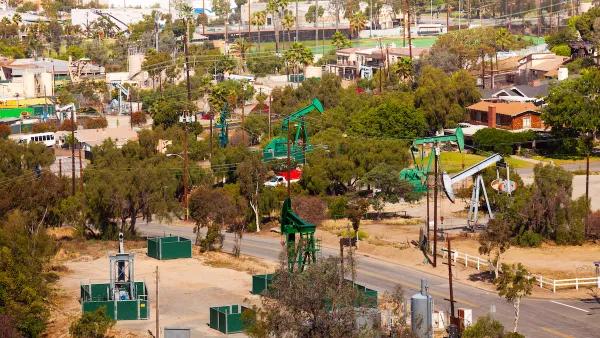
Repurposing Oil Fields Into Parks: Advancing Just Transition and Community Well-being
The concept of a "just transition" extends beyond workers to encompass broader social and environmental dimensions, including the restoration and regeneration of land and communities affected by oil extraction activities.
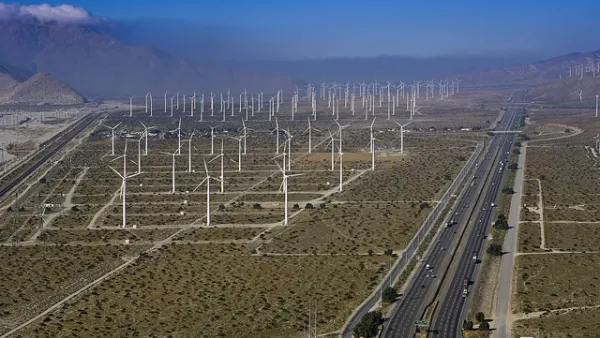
Just Transition: Bringing Equity to the Clean Energy Conversation
A new report from the Environmental Defense Fund offers a roadmap for countries, energy companies, and other stakeholders to navigate the complexities of transitioning to clean energy while ensuring equity at every step of the process.

FREE Course: Walkable City 1: Why Walkability?
After describing his path towards focusing on walkability as the essence of good planning, Jeff Speck marches through his five principal reasons for making more walkable places.
Reinventing Malls: Planning Alchemy—Turning Gray Fields Into Gold
The course focuses on the opportunities and imperatives that shape reinvention of mall sites.

City of Rosemead
Rutgers University, Edward J. Bloustein School of Planning and Public Policy
One Hundred Miles
Hunter College, City University of New York (CUNY)
The Architects Foundation
University of Cincinnati Online
City of Cambridge
Montrose County
The Pocatello Development Authority









