The 2025 Orphan & Idle Wells California Conference will address the environmental, economic, and public health challenges of abandoned oil and gas wells, focusing on remediation strategies, regulatory frameworks, and community-centered solutions.



The 2025 Orphan & Idle Wells California Conference will convene on March 25-26 in Bakersfield, California, to address the multifaceted environmental, economic, and public health challenges posed by abandoned oil and gas wells. With over four million wells across the U.S., including approximately 130,000 orphan wells, these aging structures present severe risks, from toxic leaks to methane emissions, exacerbating climate change and burdening communities. The conference will explore the impacts of the $4.7 billion federal fund allocated under the Infrastructure Investment and Jobs Act (IIJA), focusing on innovative approaches to managing these wells and allocating resources effectively.
California's orphan well crisis stands out due to the state’s unique environmental and demographic factors. Many wells, relics of the 19th-century petroleum boom, threaten public health and water security in one of the most populous and agriculturally vital states. High cleanup costs, ranging from $68,000 to $750,000 per well, amplify the financial strain, making this issue an urgent priority for a state already grappling with seismic risks and water scarcity. The conference will highlight California’s leadership in addressing these challenges through innovative remediation technologies, regulatory frameworks, and community-focused solutions.
This event, part of a North American series, will feature insights from an esteemed advisory board and explore topics such as well-plugging techniques, data-driven decision-making, policy advocacy, and public health priorities. Attendees will gain a comprehensive understanding of California’s strategies to address orphan wells while contributing to broader sustainability and climate goals. As the state continues to lead in environmental action, the conference provides a platform to collaborate, share knowledge, and drive progress in the transition toward sustainable energy practices.
FULL STORY: Orphan & Idle Wells California Conference

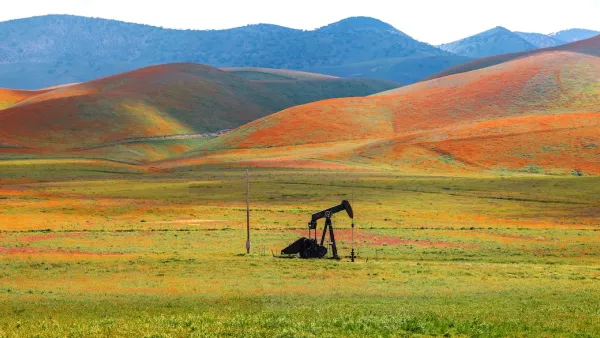
Plugging the Gap: Taxpayers Shoulder the Burden of Orphaned Oil and Gas Wells
Taxpayers, federal agencies, and tribal governments are working to address Arizona's orphaned oil and gas wells, which pose environmental and health risks, while advocates call for greater accountability from oil and gas companies.
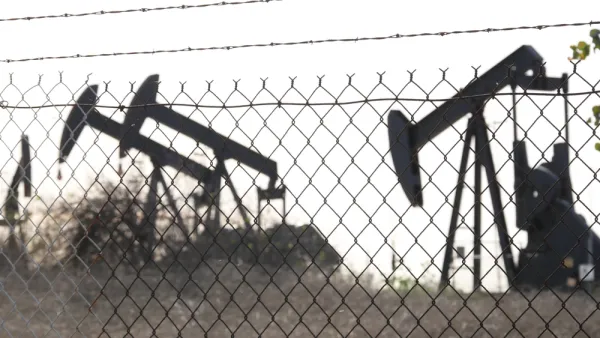
California Seals 21 Urban Oil Wells in South LA After Decades of Activism
The permanent closure of a long-troubled South Los Angeles oil site marks a hard-fought victory for residents and underscores the growing urgency of addressing hazardous idle wells in communities nationwide.
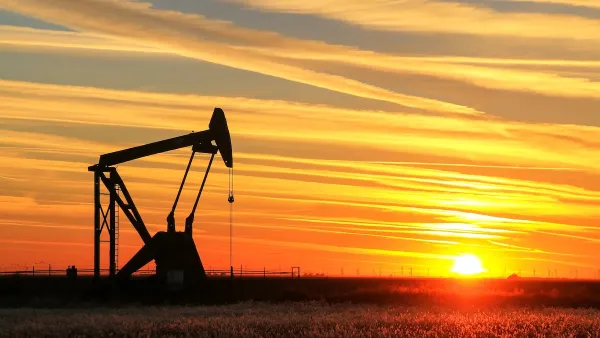
The Osage Nation’s Effort to Clean Up Abandoned Oil Wells
The Osage Nation is leading a complex and long-term initiative to identify, plug, and remediate thousands of orphaned oil wells on its reservation, protecting land, water, and community health for future generations.

Planetizen Federal Action Tracker
A weekly monitor of how Trump’s orders and actions are impacting planners and planning in America.

The state-sanctioned urbicide of Austin
People don’t kill cities. Freeways do.

US to reduce Colorado River water deliveries to Mexico
A new Colorado Treaty amendment reduces Mexico’s Colorado River water allocation by 250,000 acre feet.

5 New England states march closer to 800 megawatt wind energy project
Securing federal approval for the project may be complicated under the Trump administration, which has historically been hostile towards domestic wind power.

Baltimore to break ground on $50 million Transit Priority Project
The project will bring faster bus trips, safer streets and better bike connections to Baltimore.

Airbnb launches $250 million 'last-dollar financing' housing accelerator, makes first investment in Austin
The company will put $6.4 million towards affordable housing development in Texas’ capital.

FREE Course: Walkable City 1: Why Walkability?
After describing his path towards focusing on walkability as the essence of good planning, Jeff Speck marches through his five principal reasons for making more walkable places.
Reinventing Malls: Planning Alchemy—Turning Gray Fields Into Gold
The course focuses on the opportunities and imperatives that shape reinvention of mall sites.

Eagle County Government
Harvard University Graduate School of Design
Nashville Planning Department
The Architects Foundation
University of Cincinnati Online
The Pocatello Development Authority
The Urban Renewal Agency of the City of Pocatello
Journal of the American Planning Association