Unusually high temperatures across the state are prompting power shutoffs and could fuel more destructive wildfires.


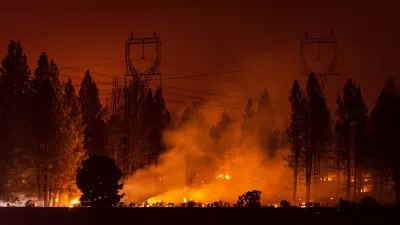
An intense heat wave sweeping across California is heightening fire risk and exacerbating poor air quality across the state, reports Grace Toohey for the Los Angeles Times.
The abnormally warm temperatures are drying out vegetation and reducing humidity levels, prompting utilities to shut off power in some areas to reduce fire risk. The “rare, late season heat” and a delayed rainy season could continue to pose a threat to the state. Most parts of the state are expecting temperatures 10 to 20 degrees higher than average, with officials warning residents to prevent heat-related illnesses by drinking fluids and staying in air-conditioned areas when possible.
According to UCLA climatologist Daniel Swain, “The warm and dry autumn that has already started to unfold and [is] likely to continue in the coming weeks will set the stage for an unusually late fire season across the interior West.” The heat wave could contribute to the spread of the still-burning Line Fire, a 43,000-acre fire that has been burning for a month in the mountains of San Bernardino County, east of Los Angeles.
FULL STORY: October ushers in blistering heat, power shutoffs and the chance of ‘plume’ fires

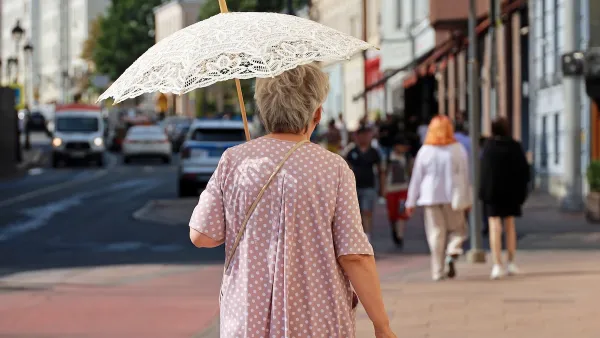
Protecting Vulnerable Older Adults From Extreme Heat
People over 65 are at particular risk during heat waves and other climate disasters.
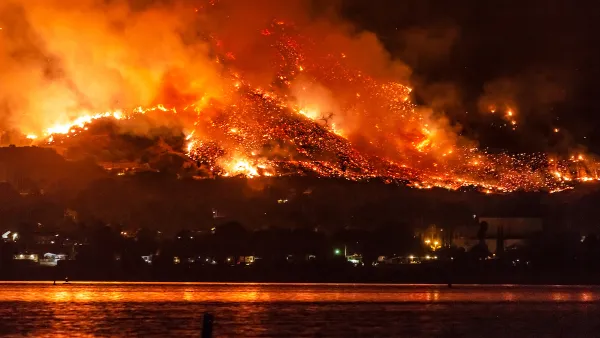
California Faces Early Surge in Wildfires
Summer is just beginning, but wildfires in California have already burned more than 90,000 acres.
Why It's So Difficult to Measure Heat Deaths
Without a standard for recording and classifying heat-related deaths, experts believe the scale of the problem is much bigger than numbers let on.

Planetizen Federal Action Tracker
A weekly monitor of how Trump’s orders and actions are impacting planners and planning in America.

The state-sanctioned urbicide of Austin
People don’t kill cities. Freeways do.

US to reduce Colorado River water deliveries to Mexico
A new Colorado Treaty amendment reduces Mexico’s Colorado River water allocation by 250,000 acre feet.

Mamdani overhauls NYC's Vision Zero plan with 100 new policy goals
The overhaul aims to reduce traffic deaths and make streets safer for pedestrians, cyclists and drivers through lower speed limits, new safety infrastructure and more.

Amtrak not solely to blame for New Jersey commuter rail's unreliability, report finds
A new study from the Garden State Initiative found that NJ Transit’s budget grew 20% across a 4 year period, but reliability declined significantly over the same period.

EPA erases limits on planet-warming pollution from power plants
Under Monday’s plan, power plants would still have some limits on how much mercury, arsenic and other contaminants they can emit.

FREE Course: Walkable City 1: Why Walkability?
After describing his path towards focusing on walkability as the essence of good planning, Jeff Speck marches through his five principal reasons for making more walkable places.
Reinventing Malls: Planning Alchemy—Turning Gray Fields Into Gold
The course focuses on the opportunities and imperatives that shape reinvention of mall sites.

Eagle County Government
Harvard University Graduate School of Design
Nashville Planning Department
The Architects Foundation
University of Cincinnati Online
The Pocatello Development Authority
The Urban Renewal Agency of the City of Pocatello
Journal of the American Planning Association