Salmon can now move freely along the river and its tributaries for the first time in over a century.


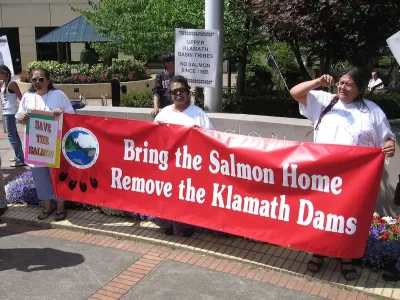
The last of four dams on the Klamath River on the border between California and Oregon was demolished last week, signaling the completion of the nation’s largest-ever dam removal project.
As Rachel Ramirez explains in an article for CNN, “The removal of the four hydroelectric dams — Iron Gate Dam, Copco Dams 1 and 2, and JC Boyle Dam — allows the region’s iconic salmon population to swim freely along the Klamath River and its tributaries, which the species have not been able to do for over a century since the dams were built.”
The project is hailed as a victory for local tribal nations such as the Yurok, who have been fighting for the dams’ removal for decades. Although the dams were built to produce hydroelectric power, they only contributed 2 percent or less of PacifiCorp’s energy supply. Mark Bransom, chief executive officer of the Klamath River Renewal Corporation, says the corporation will now engage in further restoration work that includes the planting of almost 16 billion native plant seeds in the Klamath Basin.
FULL STORY: The largest dam removal project in the US is completed – a major win for Indigenous tribes

Dam Removal Proposed to Save Salmon
Lawmakers are likely to consider a controversial plan this summer to remove a series of dams on the Klamath River to help restore endangered salmon populations.
Dams on the Way Out on Two California Rivers
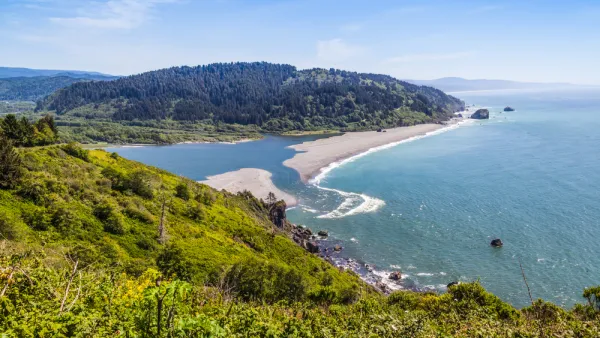
The largest dam removal project in U.S. history is about to commence on the Klamath River. Due to a recent development, a dam on the Eel River is also on expected for decommission.
2021 Most Endangered Rivers List Highlights Environmental Justice
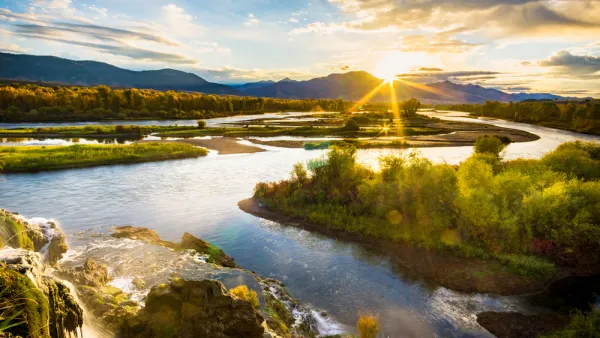
The annual list of endangered rivers created by American Rivers has always documented pollution and other threats like dam construction, but this year, the confluence of water and systemic racism warrants extra attention.

The state-sanctioned urbicide of Austin
People don’t kill cities. Freeways do.

US to reduce Colorado River water deliveries to Mexico
A new Colorado Treaty amendment reduces Mexico’s Colorado River water allocation by 250,000 acre feet.

New Jersey’s second-largest city bans standalone data centers
Jersey City will continue to allow co-location facilities, such as those meant for research institutions that store their own data.

Amtrak not solely to blame for New Jersey commuter rail's unreliability, report finds
A new study from the Garden State Initiative found that NJ Transit’s budget grew 20% across a 4 year period, but reliability declined significantly over the same period.

EPA erases limits on planet-warming pollution from power plants
Under Monday’s plan, power plants would still have some limits on how much mercury, arsenic and other contaminants they can emit.

Phoenix announces new on-demand transit service, more frequent RAPID buses
Both new services will launch in October, and are part of Phoenix's Project Effective Access Solutions for Easing Congestion.

FREE Course: Walkable City 1: Why Walkability?
After describing his path towards focusing on walkability as the essence of good planning, Jeff Speck marches through his five principal reasons for making more walkable places.
Reinventing Malls: Planning Alchemy—Turning Gray Fields Into Gold
The course focuses on the opportunities and imperatives that shape reinvention of mall sites.


Eagle County Government
Harvard University Graduate School of Design
Nashville Planning Department
The Architects Foundation
University of Cincinnati Online
The Pocatello Development Authority
The Urban Renewal Agency of the City of Pocatello
Journal of the American Planning Association