A recent study found that the terms “climate change” and “global warming” are more familiar and generate greater public concern than less recognized terms like “climate crisis” and “climate justice.”


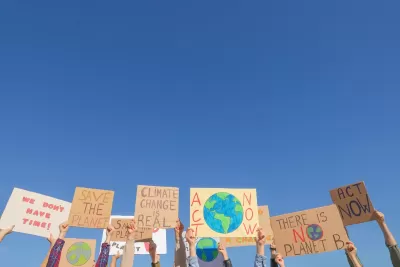
A University of Southern California (USC) study published in Climatic Change reveals that the terms “climate change” and “global warming” are more familiar to the public and generate greater concern than less recognized terms like “climate crisis,” “climate emergency,” and “climate justice.” The study found that almost 90 percent of respondents were familiar with “climate change” and “global warming,” while only 33 percent recognized “climate justice.” This familiarity significantly influences how people perceive and respond to environmental issues.
The research also explored the connection between terminology and public willingness to support climate-friendly policies and lifestyle changes, such as reducing red meat consumption. Although overall support for climate action was consistent across different terms, the study noted that familiarity with terms like “climate change” increased the urgency felt by respondents. Political affiliation played a significant role in shaping responses, with Democrats and Independents expressing more concern and willingness to act than Republicans.
A notable finding of the study was the polarization of the term “climate justice,” which was recognized and supported by a higher percentage of Democrats compared to Republicans. The researchers suggest that the political connotations and lesser-known nature of the term contribute to its lower resonance among the general public. The study emphasizes the importance of using familiar terminology when communicating about climate issues to ensure broader public engagement and concern.
The study was conducted with 5,137 U.S. residents and included contributions from scholars at various USC schools. It highlights the critical role of language in shaping public attitudes toward climate change and underscores the need for strategic communication in advancing climate policy and action.
Read the full story: Study: Just Say “Climate Change” – not “Climate Emergency”


Do Environmentalists Confuse Oil Production With Oil Demand?
Samantha Gross, the director of the Energy Security and Climate Initiative at the Brookings Institution, argues that the key to reducing emissions is to do the hard work of reducing oil demand rather than focusing on ending U.S. oil drilling.
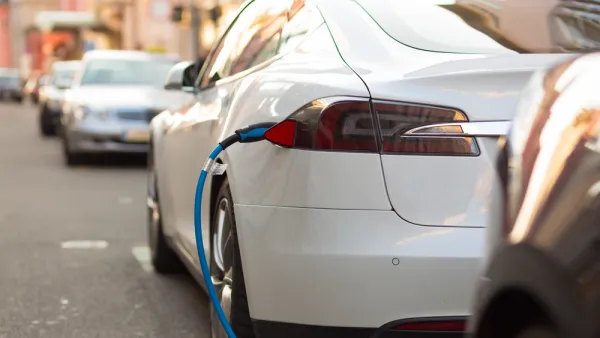
Electric Cars Won't Solve Climate Change
Electric cars might look great in your driveway, but they're a symbol of a systemic problem: an ineffective, car-based approach to addressing transportation's climate impacts.
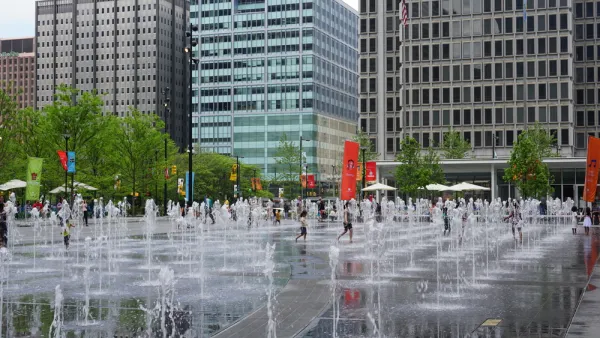
Empowering Architects to Reduce Carbon Emissions
Stephanie Carlisle, a principal at Philadelphia architecture firm KieranTimberlake, discusses the need for a toolkit of decarbonization strategies that designers can use for all design efforts, "not just the fancy projects or the unique projects."

Planetizen Federal Action Tracker
A weekly monitor of how Trump’s orders and actions are impacting planners and planning in America.

Colorado’s Largest Data Center Could Rise Next to Homes — Without a Public Hearing
The proposed campus would consume 11 times the power of Denver International Airport; as it has across the country, opposition mounts.

US to reduce Colorado River water deliveries to Mexico
A new Colorado Treaty amendment reduces Mexico’s Colorado River water allocation by 250,000 acre feet.

'This is going to be painful:’ Virginia stares down $1.7 billion funding gap for highway maintenance
The state may address the deficit by shifting $290 million from its construction budget to maintenance projects.
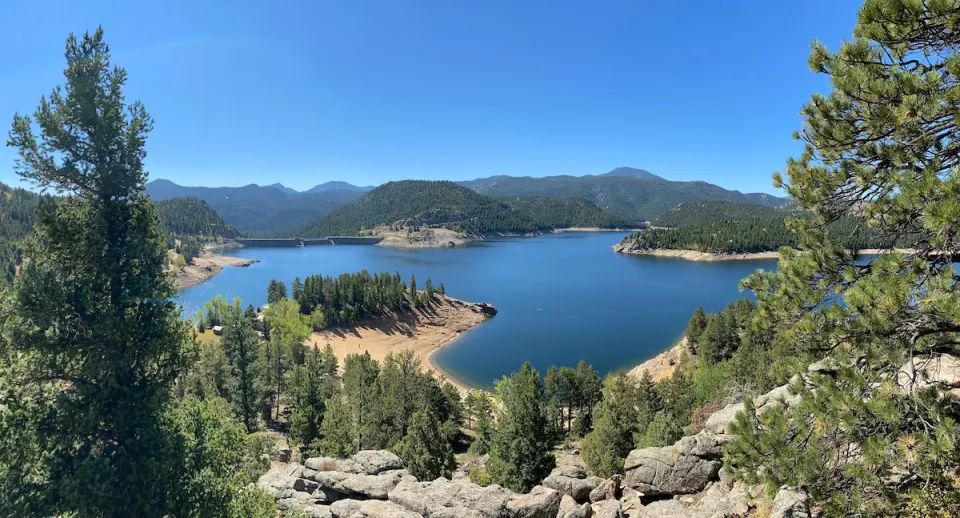
Judges permit Denver to divert 77,000 acre feet from the Colorado River for reservoir expansion
Overuse and climate change have caused the Colorado River’s water levels to plummet.

Amtrak, CN end decades-long dispute with eight-year agreement
The new operating agreement establishes an updated framework for the companies to work together, including processes to resolve disputes.

FREE Course: Walkable City 1: Why Walkability?
After describing his path towards focusing on walkability as the essence of good planning, Jeff Speck marches through his five principal reasons for making more walkable places.
Reinventing Malls: Planning Alchemy—Turning Gray Fields Into Gold
The course focuses on the opportunities and imperatives that shape reinvention of mall sites.

KFH Group Inc.
Greater Baltimore Committee
Eagle County Government
The Architects Foundation
University of Cincinnati Online
The Pocatello Development Authority
The Urban Renewal Agency of the City of Pocatello