Leading by example, the county is increasing its electric vehicle fleet to reduce greenhouse gas emissions and promote sustainability.


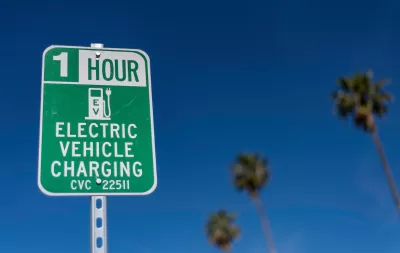
Los Angeles County is making significant strides in expanding its fleet of electric vehicles (EVs) to address climate change and improve air quality. As reported by KCAL News, this initiative is part of the county's broader sustainability goals, which include reducing greenhouse gas emissions and transitioning to cleaner energy sources. By incorporating more EVs into their operations, LA County aims to lead by example, demonstrating the feasibility and benefits of electric transportation for other municipalities and organizations.
The county's commitment to increasing the number of EVs in its fleet aligns with its efforts to promote environmental responsibility and public health. Officials emphasize the importance of reducing reliance on fossil fuels and cutting down emissions from traditional gasoline-powered vehicles. The initiative includes investments in charging infrastructure and incentives for adopting EVs, making it easier for departments and employees to transition to electric vehicles.
LA County's push for a greener fleet is part of a larger strategy to meet state and national environmental targets. By focusing on electrification and sustainable practices, the county hopes to inspire similar actions across the region and beyond. This move not only supports environmental goals but also aims to enhance the quality of life for residents by reducing pollution and fostering a cleaner, healthier environment.
Read the full story: LA County making push to add more EVs to fleet of vehicles


Hanoi to Ban Gas-Powered Two-Wheelers, Later Cars
City officials hope that electrifying motorcycles, a ‘lifeblood’ of Vietnamese transportation, will have a positive impact on air quality and noise in the city’s downtown.
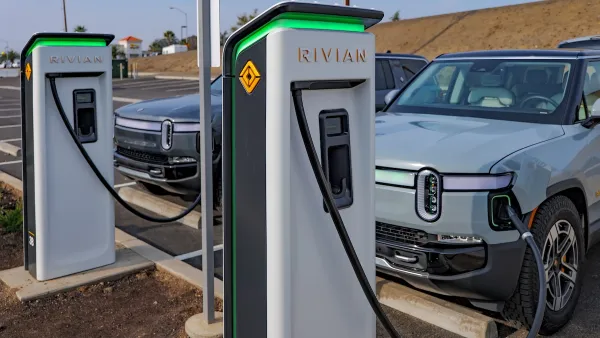
US Senate Reverses California EV Mandate
The state planned to phase out the sale of gas-powered cars by 2035, a goal some carmakers deemed impossible to meet.
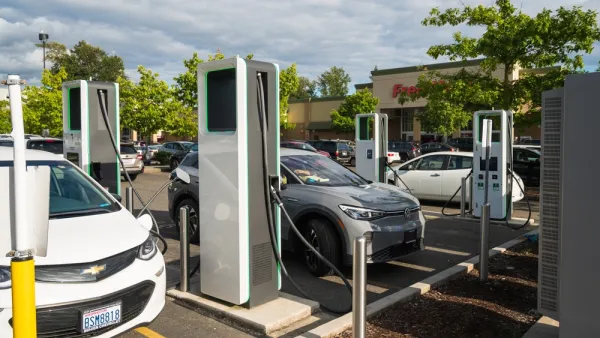
Electric Grid Capacity Could Hamstring EV Growth
Industry leaders say the U.S. electric grid is unprepared for the increased demand for power created by electric cars, data centers, and electric homes.

Planetizen Federal Action Tracker
A weekly monitor of how Trump’s orders and actions are impacting planners and planning in America.

Amtrak, CN end decades-long dispute with eight-year agreement
The new operating agreement establishes an updated framework for the companies to work together, including processes to resolve disputes.

Judges permit Denver to divert 77,000 acre feet from the Colorado River for reservoir expansion
Overuse and climate change have caused the Colorado River’s water levels to plummet.

Boston has spent millions making the Green Line more accessible — and there’s no end in sight
While the city has invested millions into expanding and adding platforms to the Green Line to make it more accessible, new train cars set to arrive next year will be too tall for disabled passengers to board without raising the current platforms.

Idaho may see an 18% drop in federal surface transit funding — the largest estimated cut in the US
Transit systems in rural communities are much more reliant on federal funding to provide their services.

How ‘post-disaster gentrification’ alters neighborhoods after natural calamities
After hurricanes, fires or other calamities, the original residents of a community are often replaced by younger, wealthier residents.

FREE Course: Walkable City 1: Why Walkability?
After describing his path towards focusing on walkability as the essence of good planning, Jeff Speck marches through his five principal reasons for making more walkable places.
Reinventing Malls: Planning Alchemy—Turning Gray Fields Into Gold
The course focuses on the opportunities and imperatives that shape reinvention of mall sites.

City of Wisconsin Rapids
Harvard University Graduate School of Design
KFH Group Inc.
The Architects Foundation
University of Cincinnati Online
The Pocatello Development Authority
The Urban Renewal Agency of the City of Pocatello