City taxes and fees on shared bikes and scooters are, on average, much higher per mile than similar taxes on cars.


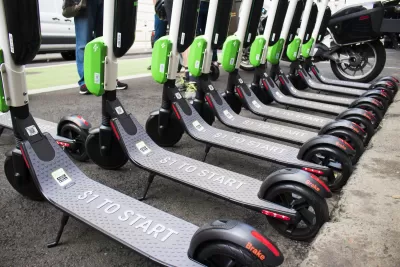
A new study from Portland and Sonoma state universities and Lime, shows that shared micromobility modes include about $0.70 per mile in city fees and taxes, a number much higher than the $0.03 per mile paid by the average driver, reports Gersh Kuntzman in Streetsblog USA.
The study highlights how municipal fees are stifling micromobility and making it, in some cases, more expensive than driving. “The report found that governments across North America take on average nearly 14 percent of fare revenues in the form of sales taxes from riders, who are in a sense double-taxed because cities often also charge an operating fee to shared micromobility companies, a fee that is typically passed onto the consumer.”
The report notes that shared micromobility fees and taxes are higher than other modes of travel, including personal vehicles and ride-hailing.
While the authors did not recommend optimal fee amounts, they concluded, “We recommend that cities align fees with overarching municipal transportation [sustainability] goals and use well-established principles of taxation and administration to determine the structure of fees.”
FULL STORY: Report: Cities are Undermining Sustainable Mobility with Fees and Taxes

Opinion: How Micromobility Operators Can Stay Relevant
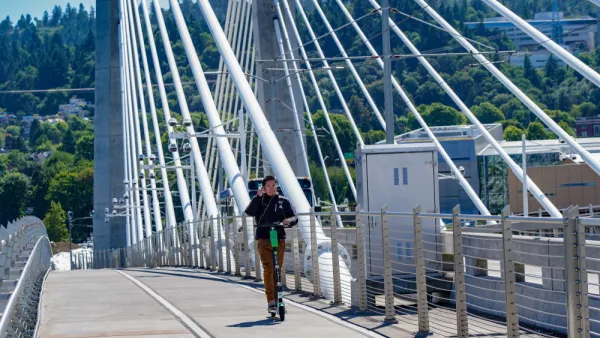
One micromobility CEO says operators should align themselves with cities' mobility, climate, and equity goals to maintain their relevance in the urban spaces of the future.
Biking Outpaces Transit Use in DC
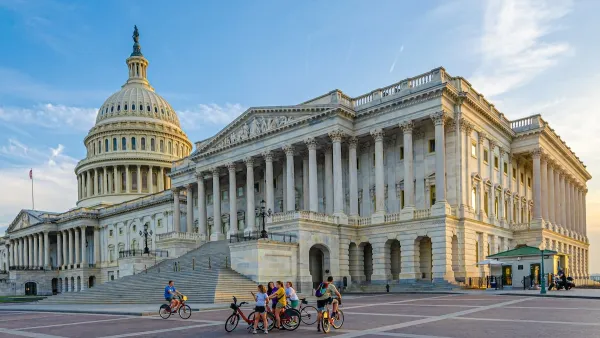
D.C. residents and visitors take as many as 30 million trips on bikes or shared mobility, yet bike lanes cover just one quarter of one percent of the District’s streets.
Seattle Sees Strong Bike Share, Scooter Ridership
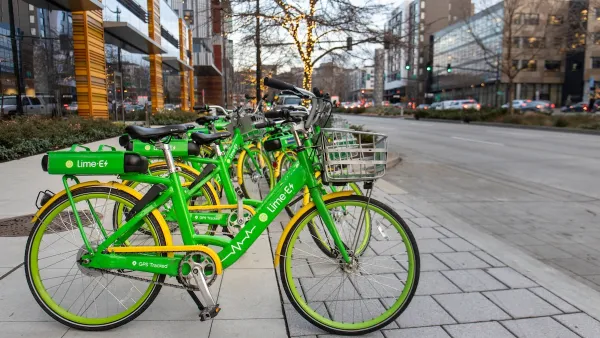
The city’s shared bikes and e-scooters provided half as many trips as a $2 billion tunnel.

Planetizen Federal Action Tracker
A weekly monitor of how Trump’s orders and actions are impacting planners and planning in America.

The state-sanctioned urbicide of Austin
People don’t kill cities. Freeways do.

US to reduce Colorado River water deliveries to Mexico
A new Colorado Treaty amendment reduces Mexico’s Colorado River water allocation by 250,000 acre feet.

5 New England states march closer to 800 megawatt wind energy project
Securing federal approval for the project may be complicated under the Trump administration, which has historically been hostile towards domestic wind power.

Baltimore to break ground on $50 million Transit Priority Project
The project will bring faster bus trips, safer streets and better bike connections to Baltimore.

Airbnb launches $250 million 'last-dollar financing' housing accelerator, makes first investment in Austin
The company will put $6.4 million towards affordable housing development in Texas’ capital.

FREE Course: Walkable City 1: Why Walkability?
After describing his path towards focusing on walkability as the essence of good planning, Jeff Speck marches through his five principal reasons for making more walkable places.
Reinventing Malls: Planning Alchemy—Turning Gray Fields Into Gold
The course focuses on the opportunities and imperatives that shape reinvention of mall sites.

Eagle County Government
Harvard University Graduate School of Design
Nashville Planning Department
The Architects Foundation
University of Cincinnati Online
The Pocatello Development Authority
The Urban Renewal Agency of the City of Pocatello
Journal of the American Planning Association