As of now, the city lacks a dedicated funding source for pedestrian safety efforts.


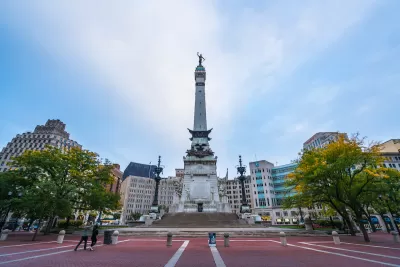
Indianapolis could join other cities in developing a Vision Zero plan as part of an effort to stem rising pedestrian deaths, reports Nadia Scharf in the Indianapolis Star.
According to Scharf, “A Vision Zero plan has been on the table for nearly a decade. Now, several city-county council members plan to present a proposal in July and the city has sent out a request for proposals for a study that would examine how a Vision Zero plan could operate in Indy.”
The strategy requires collaboration between various city departments and nonprofits and will likely include infrastructure improvements such as bike lanes, curb extensions, and crosswalks. The proposed Vision Zero bill “will set a timeline goal to see results, create and define an oversight committee to keep efforts on track towards that goal, and set requirements for the first draft of an action plan.”
According to Scharf, Indianapolis faces a disadvantage when it comes to transportation funding: because the state allocates funding based on road miles rather than lanes or vehicle throughput, there is no dedicated funding source for Vision Zero to date. “It’s unclear what changes led by a Vision Zero plan might look like in Indianapolis, but advocates and policymakers alike agree: something needs to change to make Indy streets safer.”
FULL STORY: Indy is in a 'pedestrian safety crisis.' Can a Vision Zero traffic safety plan save lives?

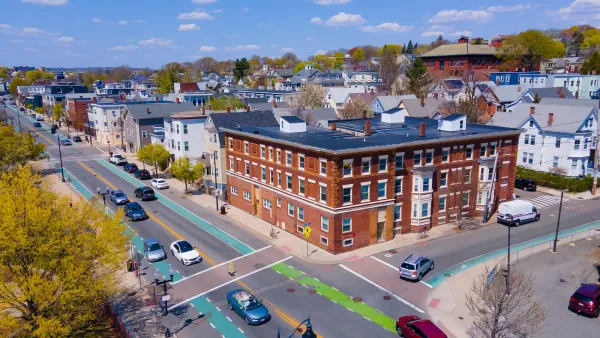
Massachusetts town celebrates 3 years with no traffic deaths
Somerville is following Hoboken's Vision Zero playbook with impressive results.
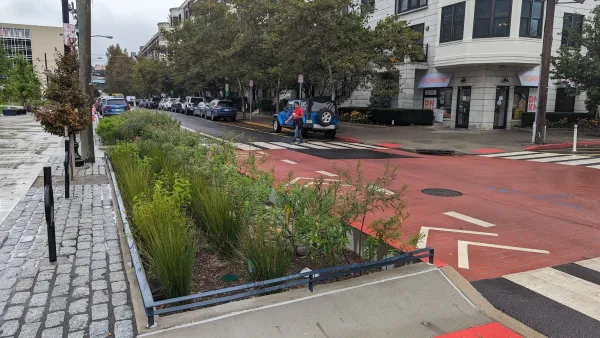
Hoboken's $20 Vision Zero fix
The New Jersey city eliminated traffic deaths for the last nine years in a row.
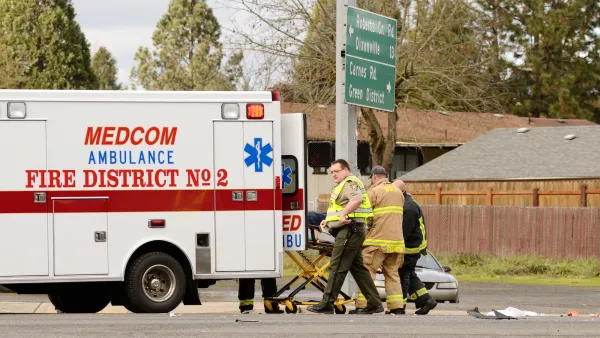
'Dangerous by Design' 2026 report highlights 72% increase in pedestrian deaths since 2009
Although US traffic deaths dropped in the last two years, the number of people killed on US roads remains much higher than two decades ago.

Planetizen Federal Action Tracker
A weekly monitor of how Trump’s orders and actions are impacting planners and planning in America.

The state-sanctioned urbicide of Austin
People don’t kill cities. Freeways do.

US to reduce Colorado River water deliveries to Mexico
A new Colorado Treaty amendment reduces Mexico’s Colorado River water allocation by 250,000 acre feet.

5 New England states march closer to 800 megawatt wind energy project
Securing federal approval for the project may be complicated under the Trump administration, which has historically been hostile towards domestic wind power.

Baltimore to break ground on $50 million Transit Priority Project
The project will bring faster bus trips, safer streets and better bike connections to Baltimore.

Airbnb launches $250 million 'last-dollar financing' housing accelerator, makes first investment in Austin
The company will put $6.4 million towards affordable housing development in Texas’ capital.

FREE Course: Walkable City 1: Why Walkability?
After describing his path towards focusing on walkability as the essence of good planning, Jeff Speck marches through his five principal reasons for making more walkable places.
Reinventing Malls: Planning Alchemy—Turning Gray Fields Into Gold
The course focuses on the opportunities and imperatives that shape reinvention of mall sites.

Eagle County Government
Harvard University Graduate School of Design
Nashville Planning Department
The Architects Foundation
University of Cincinnati Online
The Pocatello Development Authority
The Urban Renewal Agency of the City of Pocatello
Journal of the American Planning Association