More evidence that access to green spaces and walkable communities improve public health outcomes.


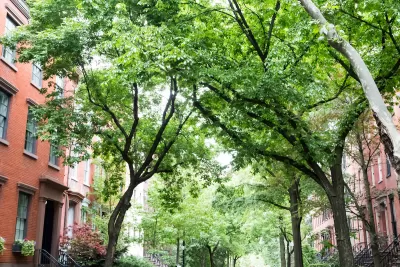
New research from the University of Maryland reveals that access to neighborhood green spaces and walkability contribute to different health outcomes for residents, according to an article by Annie Krakower in Maryland Today.
The study analyzed walkability and aesthetic data alongside health information to understand how the built environment impacts health among siblings and twins. “After examining records from nearly 2 million people, including 1 million siblings and 14,000 identical and fraternal twins, the team found that across all three samples, positive built environment characteristics were associated with 15-20% reductions in obesity and diabetes rates.”
The results show that green streets, sidewalks, crosswalks, and mixed-use development encourage more physical activity. “Future studies could also shine a light on how factors like income inequality and unequal access to desirable neighborhoods—along with modifiable built environment features— impact health.” Next, the researchers plan to examine data from Washington, D.C. to assess the impacts of other factors like gentrification and segregation on neighborhood population health.
Read the full story: Walkability in Neighborhoods Linked to Health, Study of Siblings Shows

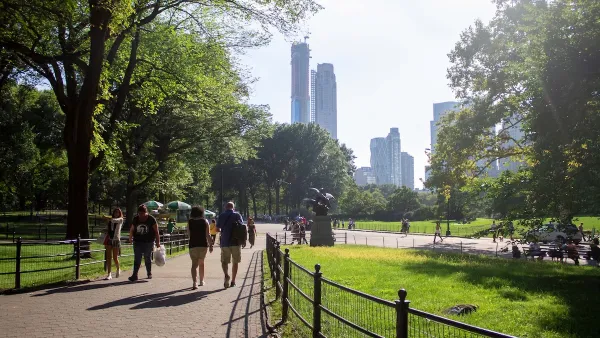
Green Spaces Benefit Neighborhoods—When Residents can Reach Them
A study comparing green space and walkability scores found that, without effective access to local parks, residents of greener neighborhoods don’t reap the health benefits.
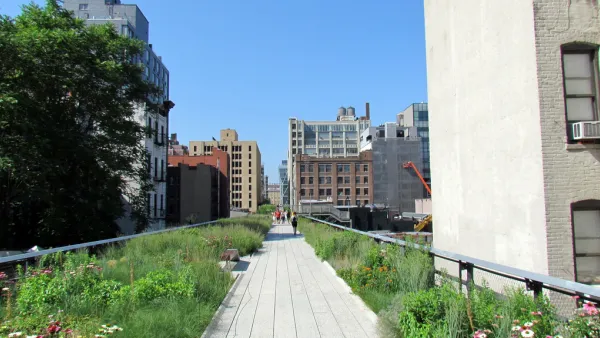
Unsurprisingly, People Enjoy Walking More in Safe, Green Spaces
New research shows that people are likely to walk more in places that are both walkable and green.
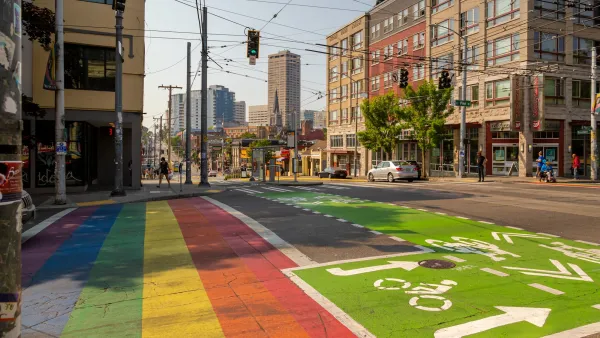
Seattle Creates 4 ‘Low-pollution Neighborhoods’
The pilot program is designed to reduce air pollution and increase access to transit and safe walking and biking infrastructure.

Planetizen Federal Action Tracker
A weekly monitor of how Trump’s orders and actions are impacting planners and planning in America.

Colorado’s Largest Data Center Could Rise Next to Homes — Without a Public Hearing
The proposed campus would consume 11 times the power of Denver International Airport; as it has across the country, opposition mounts.

US to reduce Colorado River water deliveries to Mexico
A new Colorado Treaty amendment reduces Mexico’s Colorado River water allocation by 250,000 acre feet.

'This is going to be painful:’ Virginia stares down $1.7 billion funding gap for highway maintenance
The state may address the deficit by shifting $290 million from its construction budget to maintenance projects.

Judges permit Denver to divert 77,000 acre feet from the Colorado River for reservoir expansion
Overuse and climate change have caused the Colorado River’s water levels to plummet.

Amtrak, CN end decades-long dispute with eight-year agreement
The new operating agreement establishes an updated framework for the companies to work together, including processes to resolve disputes.

FREE Course: Walkable City 1: Why Walkability?
After describing his path towards focusing on walkability as the essence of good planning, Jeff Speck marches through his five principal reasons for making more walkable places.
Reinventing Malls: Planning Alchemy—Turning Gray Fields Into Gold
The course focuses on the opportunities and imperatives that shape reinvention of mall sites.

KFH Group Inc.
Greater Baltimore Committee
Eagle County Government
The Architects Foundation
University of Cincinnati Online
The Pocatello Development Authority
The Urban Renewal Agency of the City of Pocatello