Rather than take a hostile approach to DIY urbanism, some cities are using guerilla efforts as an opportunity to understand critical infrastructure gaps.


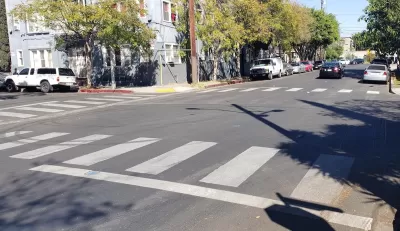
Around the country, groups like the Chattanooga Urbanist Society are taking on the failures of municipal agencies through ‘guerilla urbanism,’ reports Adina Solomon in Smart Cities Dive.
In Chattanooga, the Society has been installing homemade benches — 60 to date — at bus stops that lack seating — roughly 95 percent of Chattanooga bus stops.
Guerilla urbanists, Solomon explains, “develop low-cost, short-term interventions to serve community members and inspire long-term change. Whether they are installing bike lanes, planting gardens in vacant lots or painting crosswalks, guerrilla urbanists usually do not ask for government permission.”
“If something has happened in a city [that’s] strong enough to unite a group and make them publicly work towards a unified end together, something must be really wrong with that city,” said Jon Jon Wesolowski, founding member of the Chattanooga Urbanist Society. In Chattanooga, the city has been largely supportive of the Society’s efforts. In Los Angeles, the city has had a less friendly response to a group that paints crosswalks at dangerous intersections, citing concerns that the DIY crosswalks don’t meet state standards.
For Wesolowski and others, guerilla urbanism has the power to make people more aware of their public realm and the speed with which improvements can be deployed. Meanwhile, “Governments can take guerrilla urbanism activity as an opportunity to engage the local community and get residents involved in fixing issues.”
Read the full story: Guerrilla urbanists are ‘doing it our damn selves’

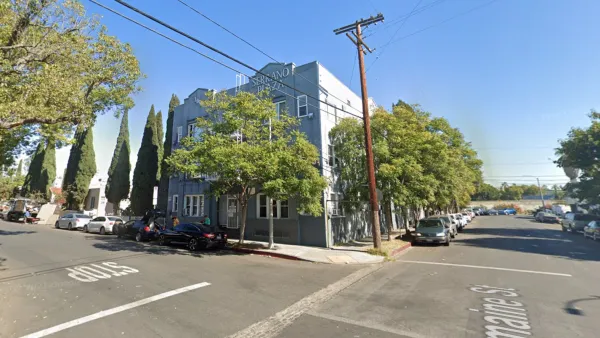
DIY Crosswalks Appear in Hollywood
A group claiming the city of Los Angeles fails to protect pedestrians is taking action on their own, painting a set of crosswalks at a busy residential intersection.
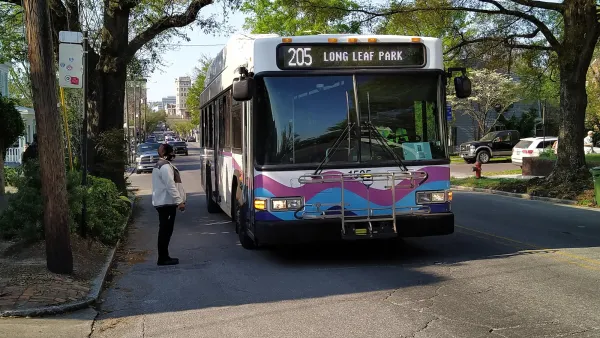
North Carolina removes bus benches installed by Democratic Socialists
NCDOT says the benches, installed without the department's permission, do not meet state standards for safety and accessibility.
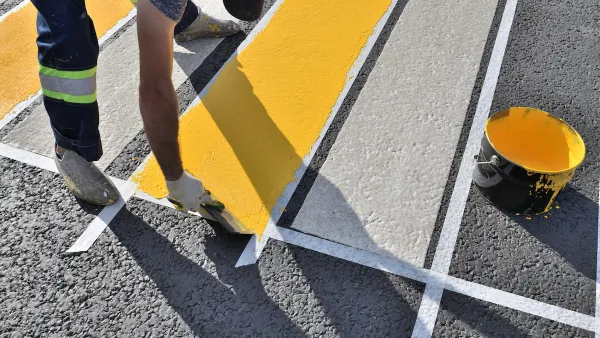
Guerilla Urbanism: Small Interventions, Big Impact
Citizen-led projects can lead to broader changes — if cities will listen.

Planetizen Federal Action Tracker
A weekly monitor of how Trump’s orders and actions are impacting planners and planning in America.

California plans to bury El Niño’s downpour
If the state plays its cards right, it may be able to store a billion acre-feet of El Niño’s water in aquifers.

Chicago breaks ground on $3 billion megadevelopment
The new neighborhood, titled Foundry Park, will one day host 3,700 residences.

California High-Speed Rail Authority CEO resigns after $600,000 scandal
Under Ian Choudri, the authority used taxpayer dollars to fund first class flights and trips to nightclubs.

Want to study the Missouri River? Soon, you may need unanimous approval from 10 states
Legislation would require 10 governors’ permission to study or build projects moving water outside the basin.

Desperate measures: Advocates weigh draining Lake Powell to fill Colorado River
Draining the reservoir could reduce evaporation losses by a couple hundred thousand acre-feet.

FREE Course: Walkable City 1: Why Walkability?
After describing his path towards focusing on walkability as the essence of good planning, Jeff Speck marches through his five principal reasons for making more walkable places.
Reinventing Malls: Planning Alchemy—Turning Gray Fields Into Gold
The course focuses on the opportunities and imperatives that shape reinvention of mall sites.

City of Rosemead
Rutgers University, Edward J. Bloustein School of Planning and Public Policy
One Hundred Miles
Hunter College, City University of New York (CUNY)
The Architects Foundation
University of Cincinnati Online
City of Cambridge
Montrose County
The Pocatello Development Authority