More than a third of Americans believe major transit systems are too unsafe to ride. The built environment can change that.


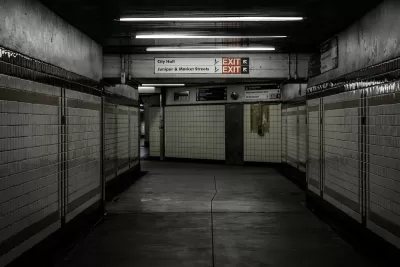
In an article for WHYY, Owen Racer and Jadon George describe how the built environment in and around transit infrastructure — in Philadelphia and beyond — contributes to a sense of fear among riders, causing them to avoid public transit due to a heightened anxiety created by reports of violent incidents.
Citing Yvette Sheline of the University of Pennsylvania’s Department of Psychiatry, the article explains, “From gates and sidewalks to subterranean hallways, the physical environments that make up a transit system can affect how safe people feel using them.”
The article describes a failed SEPTA effort to deploy an AI-powered surveillance tool to scan for firearms in stations and trains, as well as how the architecture of stations can improve visibility and openness and make riders feel safer. While some systems, including SEPTA and New York City’s subway system, are deploying additional law enforcement, Sheline says an increased police presence serves to “raise feelings of anxiety for most riders as it signals the environment is dangerous.”
FULL STORY: Can SEPTA’s infrastructure counter transit anxiety?

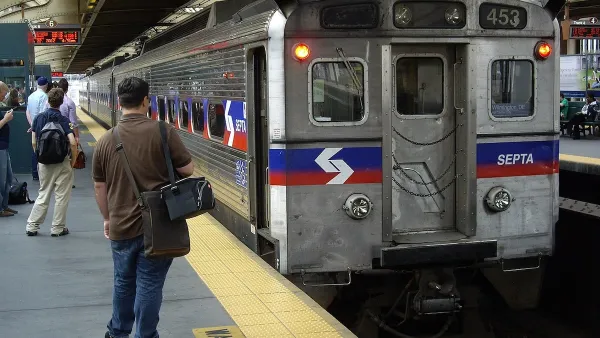
SEPTA Forced to Suspend Fleet after Five Railcar Fires in One Year
Federal regulators told the agency to stop running its Silverliner IV fleet until it can identify and fix the cause of the fires, which forced hundreds of passengers to evacuate trains.
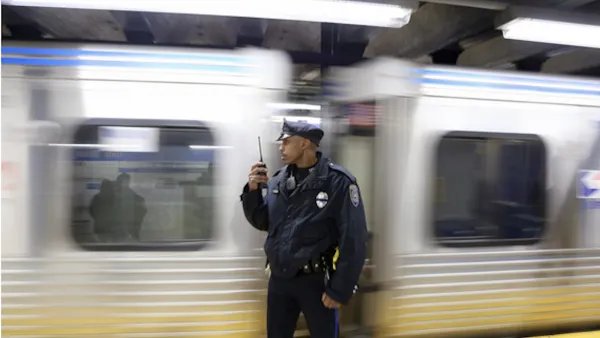
New Philly Fare Gates ‘Astonishingly Easy to Beat’
A set of high-tech gates aimed at limiting fare evasion is already failing.
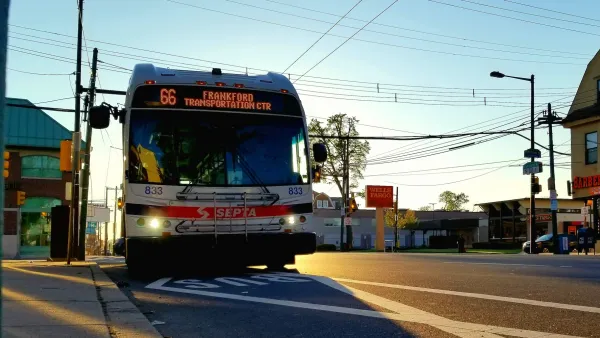
SEPTA's bus-mounted lane enforcement cameras cut travel times by up to 6%
The AI-assisted cameras have issued nearly 200,000 citations to drivers blocking bus lanes.

The state-sanctioned urbicide of Austin
People don’t kill cities. Freeways do.

US to reduce Colorado River water deliveries to Mexico
A new Colorado Treaty amendment reduces Mexico’s Colorado River water allocation by 250,000 acre feet.

New Jersey’s second-largest city bans standalone data centers
Jersey City will continue to allow co-location facilities, such as those meant for research institutions that store their own data.

Amtrak not solely to blame for New Jersey commuter rail's unreliability, report finds
A new study from the Garden State Initiative found that NJ Transit’s budget grew 20% across a 4 year period, but reliability declined significantly over the same period.

EPA erases limits on planet-warming pollution from power plants
Under Monday’s plan, power plants would still have some limits on how much mercury, arsenic and other contaminants they can emit.

Phoenix announces new on-demand transit service, more frequent RAPID buses
Both new services will launch in October, and are part of Phoenix's Project Effective Access Solutions for Easing Congestion.

FREE Course: Walkable City 1: Why Walkability?
After describing his path towards focusing on walkability as the essence of good planning, Jeff Speck marches through his five principal reasons for making more walkable places.
Reinventing Malls: Planning Alchemy—Turning Gray Fields Into Gold
The course focuses on the opportunities and imperatives that shape reinvention of mall sites.

Eagle County Government
Harvard University Graduate School of Design
Nashville Planning Department
The Architects Foundation
University of Cincinnati Online
The Pocatello Development Authority
The Urban Renewal Agency of the City of Pocatello
Journal of the American Planning Association