Chicago-area municipalities can take advantage of a new grant program to prepare their infrastructure for electric vehicles.


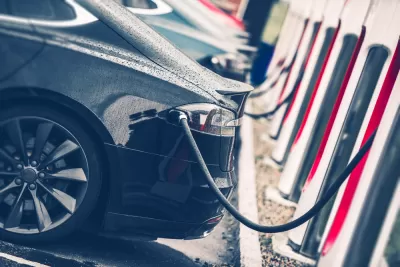
The Chicago suburb of University Park was recently awarded the second-highest score out of a dozen Chicago-area municipalities participating in a program designed to improve their electric vehicle charging networks.
According to an article by Kari Lydersen in Energy News Network, “University Park is in the process of acquiring an EV charging station for electric semi-trucks city leaders hope will increasingly serve its warehouses, and they hope to add electric vehicles to their municipal fleet while also supporting residents to get their own EVs.”
The EV Readiness Program offers guidance to cities and towns to help them update zoning and building codes to facilitate EV charging infrastructure, provides training for first responders in responding to EV fires, and assists with accessing grant programs and incentives. “Last year the Illinois legislature passed the Electric Vehicle Charging Act, which requires new single-family homes and multi-family buildings be EV capable, meaning conduit is laid to allow easy installation of chargers and wiring. State law also prohibits landlords and homeowners associations from unduly interfering with charger installation, and clarifies how renters should pay for electricity used in charging EVs.”
According to Lydersen, “Illinois has been a leader in legislation promoting electric vehicles on the state level. The 2021 Climate and Equitable Jobs Act created incentives for public transit electrification and EV ownership, with a goal of having one million EVs on Illinois roads by 2030.”
FULL STORY: A gold star for EV Readiness: Chicago-area program prepares communities for electric vehicle adoption

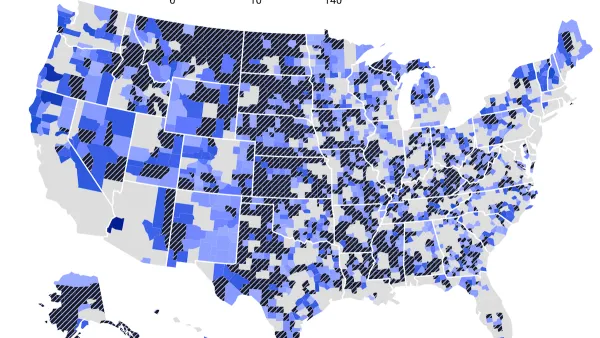
The EV “Charging Divide” Plaguing Rural America
With “the deck stacked” against rural areas, will the great electric American road trip ever be a reality?
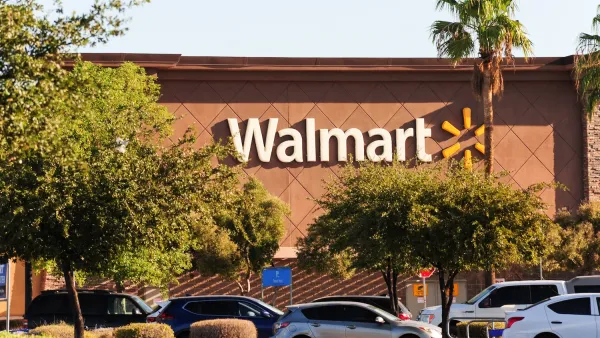
Walmart Announces Nationwide EV Charging Network
The company plans to install electric car chargers at most of its stores by 2030.
The Future of EV Charging Stations and Urban Planning
Explore the future of EV charging in cities and discover urban planning strategies for integrating electric vehicle infrastructure and promoting sustainable transportation.

Planetizen Federal Action Tracker
A weekly monitor of how Trump’s orders and actions are impacting planners and planning in America.

The state-sanctioned urbicide of Austin
People don’t kill cities. Freeways do.

US to reduce Colorado River water deliveries to Mexico
A new Colorado Treaty amendment reduces Mexico’s Colorado River water allocation by 250,000 acre feet.

Brightline West’s future may rely on $6 billion federal loan
The company has until Nov. 2 to make a $400 million equity investment into its proposed high-speed rail line.

LA Metro’s ultimatum: no extra buses for LA28 if federal funding isn’t imminently secured
If Metro does not provide additional buses, LA28 organizers will have to find a new way to manage Olympic traffic. LA28’s budget does not include a line item for transit.

Colorado’s Largest Data Center Could Rise Next to Homes — Without a Public Hearing
The proposed campus would consume 11 times the power of Denver International Airport; as it has across the country, opposition mounts.

FREE Course: Walkable City 1: Why Walkability?
After describing his path towards focusing on walkability as the essence of good planning, Jeff Speck marches through his five principal reasons for making more walkable places.
Reinventing Malls: Planning Alchemy—Turning Gray Fields Into Gold
The course focuses on the opportunities and imperatives that shape reinvention of mall sites.

Eagle County Government
Harvard University Graduate School of Design
Nashville Planning Department
The Architects Foundation
University of Cincinnati Online
The Pocatello Development Authority
The Urban Renewal Agency of the City of Pocatello
Journal of the American Planning Association