Housing costs and availability are pushing more American households, including young families, to suburbs and exurbs — and they’re demanding changes.


Writing in Business Insider, Eliza Relman notes that “Most people in the US are suburbanites — and that likely won’t change anytime soon.” But that doesn’t mean suburbs and exurbs have to continue the unsustainable pattern of sprawl they have been known for for decades.
“As a suburb or exurb grows to accommodate more homes — which are mostly limited to detached single-family houses — roads grow, cars multiply, and the distance between someone’s house and their job, school, or grocery store stretches.” Consequently, “The challenge for urbanists, housing advocates, and anyone who cares about climate change is to figure out how to make the communities most Americans live in healthier for their inhabitants and the planet.”
Suburbs can change. They can become denser, more walkable, and more efficient, with mixed-use developments and essential needs within easy reach of residents. Already, restrictive zoning rules around the country are falling like dominoes as their impact on housing affordability becomes more evident.
According to the article, “all kinds of suburbs have the potential to free themselves from traffic and long commutes and create more vibrant neighborhoods. Suburbs need to prioritize loosening zoning laws, building more dense housing, and making it easier to get places without a car, experts say.”
Read the full story: How millennials could give the suburbs a much-needed makeover


The Natalist Case For Sprawl (And Why It Fails)
Some commentators defend anti-urban government policies such as exclusionary zoning on the basis that homeowning suburbanites have high birth rates. But this doesn't seem to be true in recent decades.

Midburbs: A New Definition of Suburbs
When the name “suburb” just doesn't quite fit.

Zoning for Good
A new book highlights the power of zoning to change communities for the better.

Planetizen Federal Action Tracker
A weekly monitor of how Trump’s orders and actions are impacting planners and planning in America.

Data reveals that NYC’s bet on congestion pricing has paid off
After almost two years of the program, reports show positive impacts on traffic and air quality and no disruptions to parking.
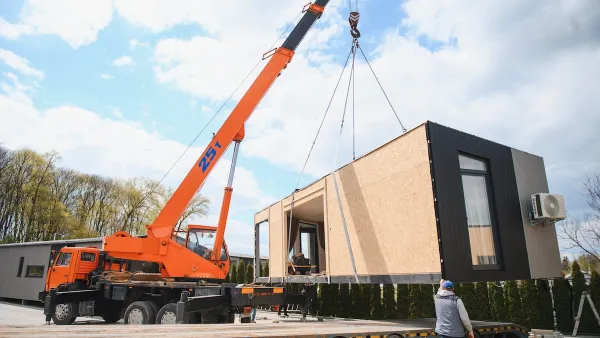
HUD modernizes 50-year-old manufactured housing framework
The Next Generation Manufactured Housing Action Plan establishes new energy-efficiency standards for manufactured homes, and new guidelines for anchoring them.

Florida could lose billions in funding for infrastructure, parks
If Amendment 3 passes, Miami-Dade would lose about $445 million annually by fiscal year 2028-29.

New Mexico spent millions drafting climate goals. Data centers are unraveling them
Three data centers in New Mexico and El Paso will release more emissions yearly than 2 million cars in the same timeframe.

This Ohio town is using AI to speed up transit analysis
The Greater Dayton Regional Transit Authority’s new AI tool correctly determined riders’ preferred ways to reach key commuter routes.

FREE Course: Walkable City 1: Why Walkability?
After describing his path towards focusing on walkability as the essence of good planning, Jeff Speck marches through his five principal reasons for making more walkable places.
Reinventing Malls: Planning Alchemy—Turning Gray Fields Into Gold
The course focuses on the opportunities and imperatives that shape reinvention of mall sites.

One Hundred Miles
County of Mendocino
planning NEXT
The Architects Foundation
University of Cincinnati Online
Montrose County
Northern Illinois Transit Authority (NITA)
The Pocatello Development Authority