The number of office-to-residential adaptive reuse projects in the works for 2024 is four times as high as in 2021.


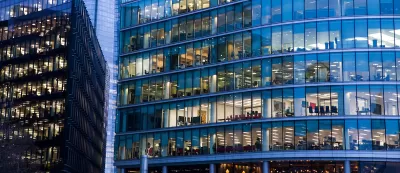
The office-to-residential conversion boom shows no signs of slowing, with a record number of conversion projects in the works for 2024, according to an article by Quinn Purcell in Building Design & Construction.
“The latest RentCafe annual Adaptive Reuse report shows that there are 55,300 units in the pipeline as of 2024—four times as much compared to 2021,” Purcell adds. This amounts to 38 percent of residential adaptive reuse projects around the country. Hotel-to-residential conversions make up 24 percent of projects, with factories and other types of buildings filling out the rest.
Washington, D.C. leads the nation with 5,820 units slated for conversion in 2024, followed by New York City with 5,215 and Dallas with 3,163. The average age of buildings selected for conversion is 72 years old, signaling a demand for newer buildings that take less capital to modernize.
In the wake of pandemic-induced migration away from physical offices, office-to-residential conversion has become an opportunity to create more housing and revitalize neighborhoods by bringing in different uses. Cities, states, and the federal government are now establishing programs to support adaptive reuse and remove barriers to conversion, which include regulatory hurdles and cost.
Read the full story: Adaptive reuse report shows 55k impact of office-to-residential conversions
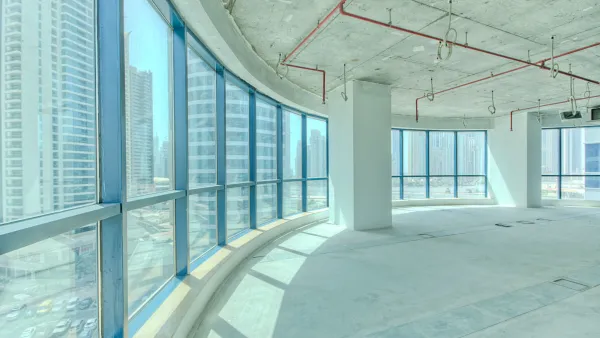
Co-living ‘Microapartments’ Cost Half as Much to Build as Typical Studios
In 10 major U.S. metros, an analysis found that converting office buildings to small co-living units could dramatically cut the costs of construction.
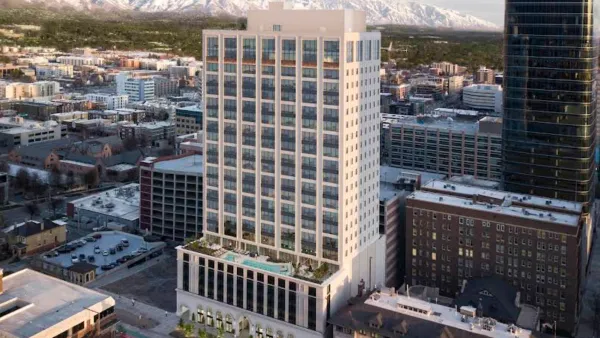
1960s Salt Lake City Tower Transformed Into 217 Luxury Housing Units
The new Seraph building may herald a new era of adaptive reuse in downtown Salt Lake City.
Office Conversions Have Increased Every Year This Decade
Since the pandemic, office vacancy rates remain high, leading many cities to adjust zoning codes to accommodate adaptive reuse.

Planetizen Federal Action Tracker
A weekly monitor of how Trump’s orders and actions are impacting planners and planning in America.

Eastern Nebraska is running out of electricity
Data centers and electrification are straining eastern Nebraska’s grid, throttling economic development.

Study reveals best places in the U.S. for cycling, walking
New research from Streetlight Data examines bicycle and pedestrian miles per capita in the 100 largest U.S. cities by population.

Chicago cuts ribbon on $300,000, self-cleaning public toilet
The public toilet is the city’s first, and may pave the way for a rollout of similar facilities.

Sharp cuts to Oregon public transit, rail on the horizon without additional funding
Transportation workgroup has until Dec. 15 to send its report to Gov. Tina Kotek

Why does it take an emergency for the U.S. to expedite infrastructure projects?
In June 2023, Philadelphia repaired a melted interstate in 12 days thanks to an emergency order.

FREE Course: Walkable City 1: Why Walkability?
After describing his path towards focusing on walkability as the essence of good planning, Jeff Speck marches through his five principal reasons for making more walkable places.
Reinventing Malls: Planning Alchemy—Turning Gray Fields Into Gold
The course focuses on the opportunities and imperatives that shape reinvention of mall sites.

City of Charlotte
City of Rosemead
Rutgers University, Edward J. Bloustein School of Planning and Public Policy
University of Michigan School for Environment and Sustainability (SEAS)
Hunter College, City University of New York (CUNY)
The Architects Foundation
City of Cambridge
The Pocatello Development Authority
The Urban Renewal Agency of the City of Pocatello