The executive order could negatively impact the state’s workforce, which faces a shortage of more than 2,500 employees.


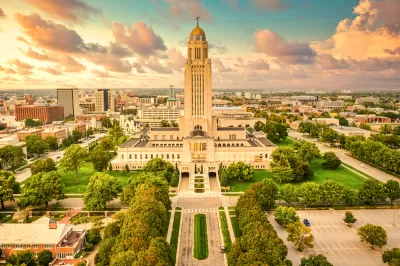
While remote work remains popular across much of the country, Governor Jim Pillen of Nebraska has ordered all state workers to return to their offices, according to an article by Paul Hammel in the Nebraska Examiner.
“But while Pillen characterized the move as fitting a ‘common sense expectation’ that workers are most productive working together in an office, a state union official expressed fears that the move will hurt recruiting and retaining state employees at a time when many state agencies are short-staffed.” The state has over 2,500 unfilled job vacancies as of September 30, Hammel adds.
“The executive order also appears to seek an end to flexible work schedules — something that is advertised on the statejobs.nebraska.gov website as an advantage of working for the State of Nebraska.” Meanwhile, the state’s Department of Administrative Services says its remote work policy, which began before the pandemic, has saved the agency $500,000 a year by downsizing its office space needs.
FULL STORY: Governor orders end to remote work, directs state workers back to offices


Office Space: So Last Year?
Did coronavirus bring certain death to the traditional concept of the office, or is it only a matter of time until we return to business as usual?
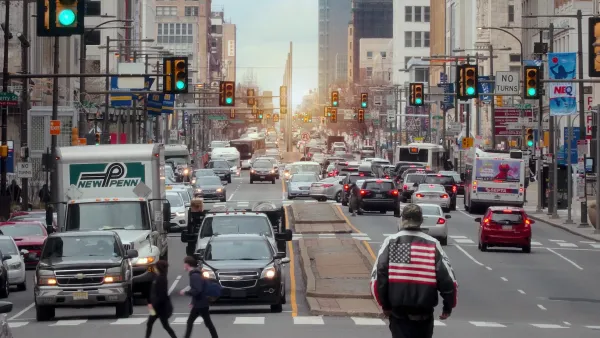
US workers spend nearly an hour a day commuting
High housing costs and return-to-office policies are forcing more American workers to live farther from work, pushing the average daily commute time to nearly an hour.
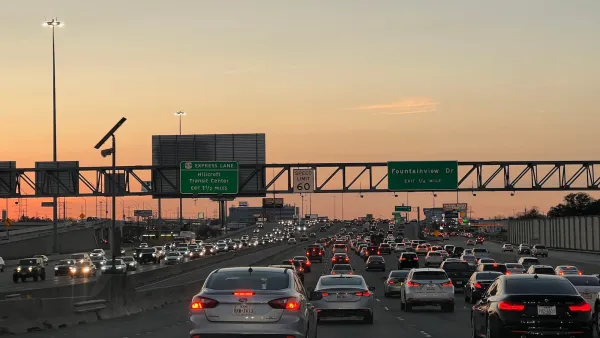
US Traffic Patterns are Shifting, but Car-centric Development Persists
Los Angeles, Honolulu, and San Francisco ranked among the nation’s most congested cities, while New York reduced traffic and increased transit speed and ridership thanks to its congestion pricing program.

Planetizen Federal Action Tracker
A weekly monitor of how Trump’s orders and actions are impacting planners and planning in America.

The state-sanctioned urbicide of Austin
People don’t kill cities. Freeways do.

US to reduce Colorado River water deliveries to Mexico
A new Colorado Treaty amendment reduces Mexico’s Colorado River water allocation by 250,000 acre feet.

5 New England states march closer to 800 megawatt wind energy project
Securing federal approval for the project may be complicated under the Trump administration, which has historically been hostile towards domestic wind power.

Baltimore to break ground on $50 million Transit Priority Project
The project will bring faster bus trips, safer streets and better bike connections to Baltimore.

Airbnb launches $250 million 'last-dollar financing' housing accelerator, makes first investment in Austin
The company will put $6.4 million towards affordable housing development in Texas’ capital.

FREE Course: Walkable City 1: Why Walkability?
After describing his path towards focusing on walkability as the essence of good planning, Jeff Speck marches through his five principal reasons for making more walkable places.
Reinventing Malls: Planning Alchemy—Turning Gray Fields Into Gold
The course focuses on the opportunities and imperatives that shape reinvention of mall sites.

Eagle County Government
Harvard University Graduate School of Design
Nashville Planning Department
The Architects Foundation
University of Cincinnati Online
The Pocatello Development Authority
The Urban Renewal Agency of the City of Pocatello
Journal of the American Planning Association