Mayor Michelle Wu said the new rule will help boost demand for green materials and create new jobs in the green building sector.


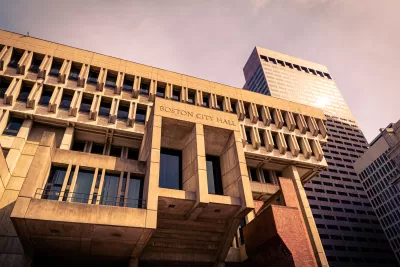
An executive order signed by Boston Mayor Michelle Wu bans the use of fossil fuels in new buildings and renovations of city-owned property, reports Nish Amarnath in Smart Cities Dive. “Wu said the move will accelerate Boston’s goal of achieving carbon neutrality by 2050, with buildings accounting for more than 70% of the city’s total carbon emissions, and municipal emissions constituting 2.3% of all those emissions.”
The move could boost demand for low-emissions products and materials. “Wu’s office added that the executive order will pave the way for fresh employment prospects in building construction, design and maintenance.”
The rule applies to city properties, but also includes “a significant rule alteration regarding fossil fuel use in private projects.” Last month, Mayor Wu announced “a specialized climate-friendly state-specific stretch code that mandates new constructions, even those currently using natural gas, to be equipped for future all-electric functionality” that will go into effect in January 2024.
FULL STORY: Boston mayor bans fossil fuels in new city-owned buildings

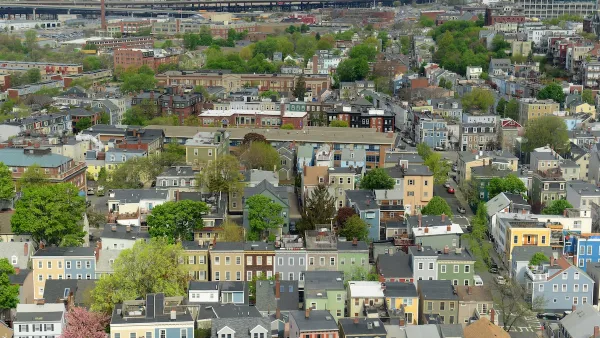
Boston Pilot Program Funds Electrification of Small Residential Properties
Owners of small buildings can get up to $50,000 per unit to fund decarbonization retrofits.
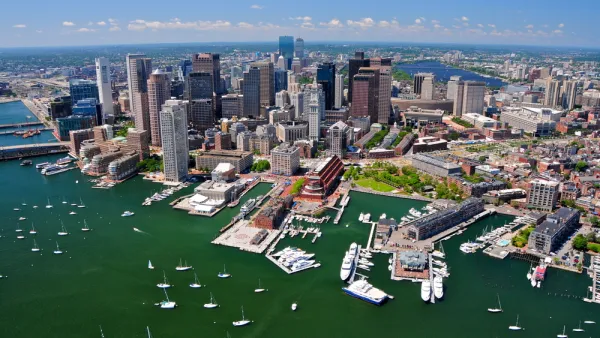
Boston Plans To Restrict Fossil Fuel Use in Buildings
As part of the city’s broader climate goals, Mayor Michelle Wu wants to require all new buildings to eliminate the use of fossil fuels.
Toyota’s Hybrid Popularity Outpaces Production Worldwide
Soaring global demand for Toyota's hybrid vehicles is straining the automaker’s supply chain, leading to widespread delays as component shortages and limited production capacity challenge its ability to keep up.

Planetizen Federal Action Tracker
A weekly monitor of how Trump’s orders and actions are impacting planners and planning in America.

The state-sanctioned urbicide of Austin
People don’t kill cities. Freeways do.

US to reduce Colorado River water deliveries to Mexico
A new Colorado Treaty amendment reduces Mexico’s Colorado River water allocation by 250,000 acre feet.

5 New England states march closer to 800 megawatt wind energy project
Securing federal approval for the project may be complicated under the Trump administration, which has historically been hostile towards domestic wind power.

Baltimore to break ground on $50 million Transit Priority Project
The project will bring faster bus trips, safer streets and better bike connections to Baltimore.

Airbnb launches $250 million 'last-dollar financing' housing accelerator, makes first investment in Austin
The company will put $6.4 million towards affordable housing development in Texas’ capital.

FREE Course: Walkable City 1: Why Walkability?
After describing his path towards focusing on walkability as the essence of good planning, Jeff Speck marches through his five principal reasons for making more walkable places.
Reinventing Malls: Planning Alchemy—Turning Gray Fields Into Gold
The course focuses on the opportunities and imperatives that shape reinvention of mall sites.

Eagle County Government
Harvard University Graduate School of Design
Nashville Planning Department
The Architects Foundation
University of Cincinnati Online
The Pocatello Development Authority
The Urban Renewal Agency of the City of Pocatello
Journal of the American Planning Association