The growing popularity of shared mobility modes, many small and highly efficient, could soon begin having a significant impact on urban transportation patterns.


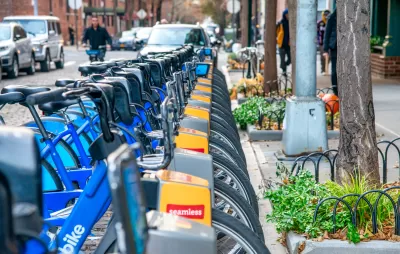
According to a brief in Smart Cities Dive by Dan Zukowski, “In a December survey of more than 30,000 mobility users in 15 countries, the consulting firm found that over 25% of respondents living in urban areas said they were considering getting rid of their private vehicles in favor of other transportation options.”
This signals the growing mainstream popularity of shared mobility such as ride hailing, bike share, and shared e-scooters. “ In 2021, shared micromobility users racked up 121 million trips on bikes and scooters in the U.S., according to data from the National Association of City Transportation Officials.”
Zukowski points out that cities will need to adapt to these new mode shares, quoting Kersten Heineke, co-leader of the McKinsey Center for Future Mobility: “If we think about sizeable fleets of shared vehicles in cities, we will need to either repurpose parking garages or create new spots, new spaces where these vehicles can be cleaned, maintained, parked whenever they’re not in operation.” Bike and scooter riders will need safe, protected micromobility lanes to get around cities and connect to transit and urban amenities.
In its early days, the rapid introduction of e-scooters with little regulation led to conflict with pedestrians and cluttered sidewalks; ride-hailing vehicles block curb space while waiting for customers and have led cities to establish designated loading zones; and autonomous vehicles are causing traffic jams and interfering with transit and emergency vehicles in San Francisco and elsewhere.
FULL STORY: Growing shared mobility use likely to disrupt urban transportation, private car ownership

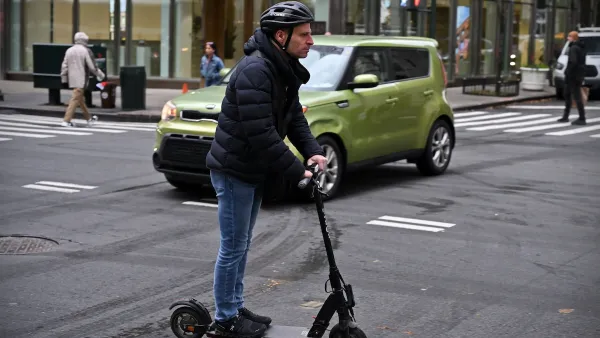
E-Scooter Use is on the Rise — But so are Injuries
With infrastructure and rider education lagging behind the growth of e-scooter systems, American ERs saw an 80 percent rise in e-scooter injuries between 2023 and 2024.
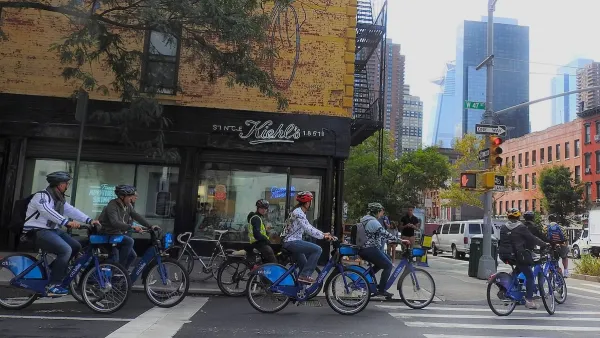
Report: Bike and Scooter Shares are up Again, This Time by 31%. Has the Future Arrived?
The new micromobility report is out, and despite rising costs and tight regulations, it is bigger than ever, and still growing. After nearly a decade of adjustment, cities’ mobility systems may be changed for good.

Making Shared Micromobility More Inclusive
Cities and shared mobility system operators can do more to include people with disabilities in planning and operations, per a new report.

The state-sanctioned urbicide of Austin
People don’t kill cities. Freeways do.

US to reduce Colorado River water deliveries to Mexico
A new Colorado Treaty amendment reduces Mexico’s Colorado River water allocation by 250,000 acre feet.

New Jersey’s second-largest city bans standalone data centers
Jersey City will continue to allow co-location facilities, such as those meant for research institutions that store their own data.

Amtrak not solely to blame for New Jersey commuter rail's unreliability, report finds
A new study from the Garden State Initiative found that NJ Transit’s budget grew 20% across a 4 year period, but reliability declined significantly over the same period.

EPA erases limits on planet-warming pollution from power plants
Under Monday’s plan, power plants would still have some limits on how much mercury, arsenic and other contaminants they can emit.

Phoenix announces new on-demand transit service, more frequent RAPID buses
Both new services will launch in October, and are part of Phoenix's Project Effective Access Solutions for Easing Congestion.

FREE Course: Walkable City 1: Why Walkability?
After describing his path towards focusing on walkability as the essence of good planning, Jeff Speck marches through his five principal reasons for making more walkable places.
Reinventing Malls: Planning Alchemy—Turning Gray Fields Into Gold
The course focuses on the opportunities and imperatives that shape reinvention of mall sites.

Eagle County Government
Harvard University Graduate School of Design
Nashville Planning Department
The Architects Foundation
University of Cincinnati Online
The Pocatello Development Authority
The Urban Renewal Agency of the City of Pocatello
Journal of the American Planning Association