The proposal would also introduce bus rapid transit and increase service on the city’s busiest corridors.


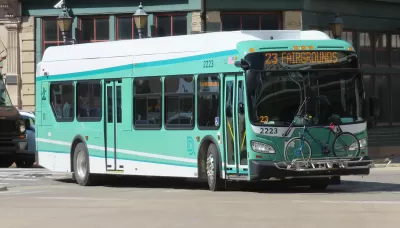
A project dubbed DDOT Reimagined envisions a redesign of Detroit’s public transit system that would improve service and boost frequency on the most heavily used routes and key corridors.
As Eric D. Lawrence explains in Detroit Free Press, “The DDOT Reimagined proposal would incorporate bus rapid transit, sometimes called rail on wheels, to deliver service as frequently as every 10 minutes or even 7.5 minutes in the case of the No. 4 Woodward route, by adding partially dedicated transit lanes or technology that cuts delays for buses at signalized intersections.” For riders that will lose service on the less-traveled routes, the agency says “proximity to working routes or what he described as deviated routes would provide service to affected riders.”
According to Detroit executive director of transit Mikel Oglesby, in addition to more frequent service, “riders also want bus shelter improvements, incentives for bus drivers and enhanced ‘mobility hubs,’ which could tie multiple modes of transit, including scooters and biking options, together at busier locations.” The aspirational proposal could be funded in part by federal dollars from the American Rescue Plan.
FULL STORY: DDOT plan envisions big boost in bus frequency on key routes


Detroit Transit Agency Requests $20M Budget Increase
The Detroit Department of Transportation wants to boost ridership by hiring more drivers, buying new buses, and enhancing station infrastructure.

Friday Eye Candy: Cities Break Out the Festive Buses for the Holidays
Check out the holiday-themed buses rolling through the Southeastern Pennsylvania Transportation Authority and the Detroit Department of Transportation systems.
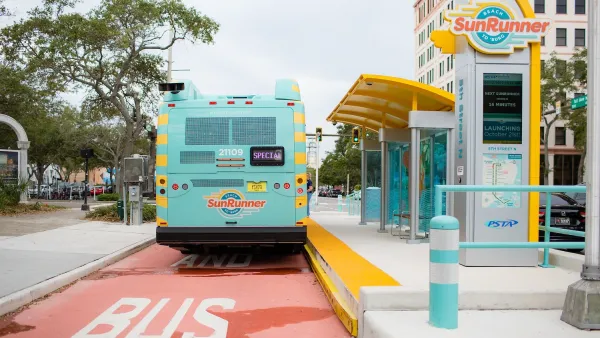
Lawsuit Claims Florida Bus Lane Removal was Illegal
The state cites an increase in crashes and congestion as reasons for eliminating a dedicated bus lane on the SunRunner BRT line, but city data tells a different story.

Planetizen Federal Action Tracker
A weekly monitor of how Trump’s orders and actions are impacting planners and planning in America.

The state-sanctioned urbicide of Austin
People don’t kill cities. Freeways do.

US to reduce Colorado River water deliveries to Mexico
A new Colorado Treaty amendment reduces Mexico’s Colorado River water allocation by 250,000 acre feet.

5 New England states march closer to 800 megawatt wind energy project
Securing federal approval for the project may be complicated under the Trump administration, which has historically been hostile towards domestic wind power.

Baltimore to break ground on $50 million Transit Priority Project
The project will bring faster bus trips, safer streets and better bike connections to Baltimore.

Airbnb launches $250 million 'last-dollar financing' housing accelerator, makes first investment in Austin
The company will put $6.4 million towards affordable housing development in Texas’ capital.

FREE Course: Walkable City 1: Why Walkability?
After describing his path towards focusing on walkability as the essence of good planning, Jeff Speck marches through his five principal reasons for making more walkable places.
Reinventing Malls: Planning Alchemy—Turning Gray Fields Into Gold
The course focuses on the opportunities and imperatives that shape reinvention of mall sites.


Eagle County Government
Harvard University Graduate School of Design
Nashville Planning Department
The Architects Foundation
University of Cincinnati Online
The Pocatello Development Authority
The Urban Renewal Agency of the City of Pocatello
Journal of the American Planning Association