The federal dollars that are making their way to infrastructure projects around the country are largely supporting highway and bridge projects as transit agencies struggling to finance day-to-day operations delay capital investments.


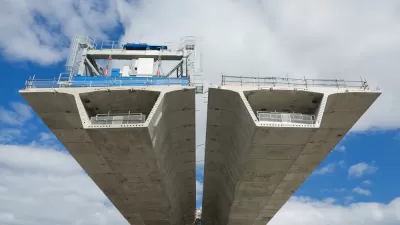
Federal investments made during the pandemic are starting to reach states, but much of the funding is going to road building, writes Dan Zukowski in Smart Cities Dive.
While contracts for road and bridge projects grew, contracts for rail and transit projects “slowed significantly,” with only 180 rail and transit contracts totaling $3.5 billion developed in 2022. By contrast, “The 38,220 contracts for roadway-related construction totaled $102.2 billion,” Zukowski explains. “In a separate ARTBA analysis of how infrastructure law highway and bridge funds had been used through Sep. 30, 2022, 46% went to roadway repair or reconstruction work while just 1% went to bike and pedestrian facilities.”
American Road & Transportation Builders Association Chief Economist Alison Premo Black points to the pandemic as one cause, saying “It’s not surprising that the capital investment has been scaled back while agencies have been so concerned about operations.” Transportation infrastructure spending is continuing to ramp up, with over 150 bills aimed at transportation projects introduced in state legislatures this year.
FULL STORY: Federal infrastructure funds begin to flow, mostly to roadwork

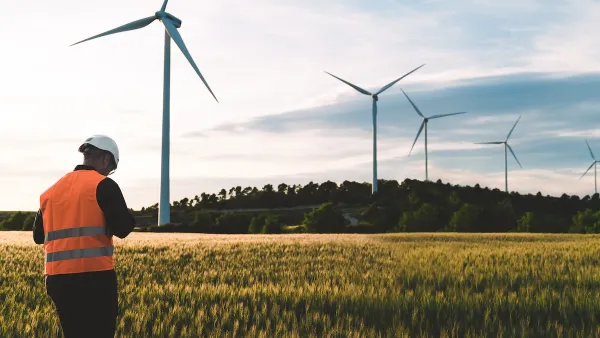
Executive Order Pauses Infrastructure, Clean Energy Funds
Trump’s order puts a freeze on unspent funding from the Inflation Reduction Act and the Infrastructure Investment and Jobs Act.
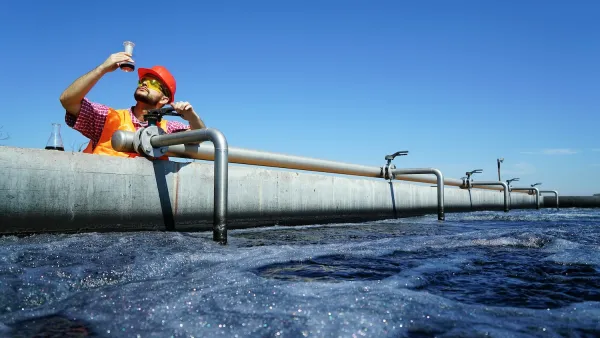
Judge Orders Release of Frozen IRA, IIJA Funding
The decision is a victory for environmental groups who charged that freezing funds for critical infrastructure and disaster response programs caused “real and irreparable harm” to communities.
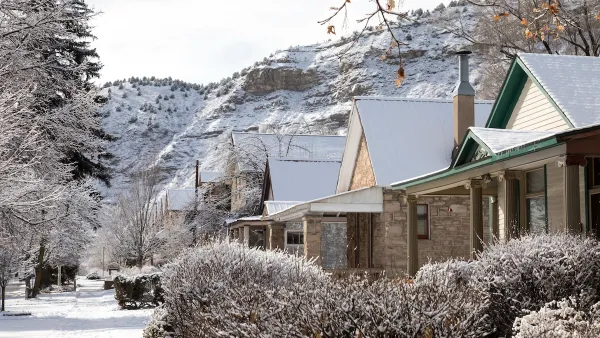
Colorado Launches New Efficiency and Weatherization Rebate Program
The state is using federal funds to assist homeowners in replacing inefficient appliances and making their homes more climate-friendly and resilient.

Planetizen Federal Action Tracker
A weekly monitor of how Trump’s orders and actions are impacting planners and planning in America.

The state-sanctioned urbicide of Austin
People don’t kill cities. Freeways do.

US to reduce Colorado River water deliveries to Mexico
A new Colorado Treaty amendment reduces Mexico’s Colorado River water allocation by 250,000 acre feet.

5 New England states march closer to 800 megawatt wind energy project
Securing federal approval for the project may be complicated under the Trump administration, which has historically been hostile towards domestic wind power.

Baltimore to break ground on $50 million Transit Priority Project
The project will bring faster bus trips, safer streets and better bike connections to Baltimore.

Airbnb launches $250 million 'last-dollar financing' housing accelerator, makes first investment in Austin
The company will put $6.4 million towards affordable housing development in Texas’ capital.

FREE Course: Walkable City 1: Why Walkability?
After describing his path towards focusing on walkability as the essence of good planning, Jeff Speck marches through his five principal reasons for making more walkable places.
Reinventing Malls: Planning Alchemy—Turning Gray Fields Into Gold
The course focuses on the opportunities and imperatives that shape reinvention of mall sites.

Eagle County Government
Harvard University Graduate School of Design
Nashville Planning Department
The Architects Foundation
University of Cincinnati Online
The Pocatello Development Authority
The Urban Renewal Agency of the City of Pocatello
Journal of the American Planning Association