With many cities and local jurisdictions using zoning codes to slow housing development, policymakers at the state level are taking action to increase the housing supply.


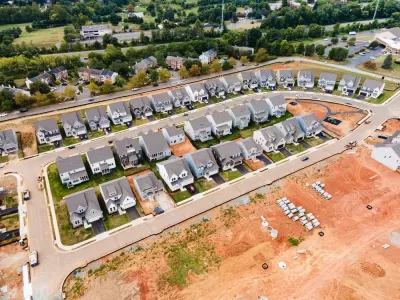
A new research report from the Urban Institute, authored by Shazia Manji, Truman Braslaw, Chae Kim, Elizabeth Kneebone, Carolina Reid, and Yonah Freemark, outlines tools that states are using to incentivize housing production.
Some experts argue state intervention is necessary to encourage housing production when local jurisdictions seek to block development through zoning and land use regulations. The research team collected the first database of state-level pro-housing laws and developed a typology for assessing how states are seeking to impact local housing production.
The report analyzes policies and mechanisms including housing production requirements, state standards for land use and planning regulations, and incentives and penalties for local jurisdictions. “Through this typology, and illustrated through a sample of laws from states across the country, we provide a roadmap to understanding how state intervention in local land-use laws can expand the supply of and improve access to housing.”
See the source article for a link to the full downloadable report.
Read the full story: Incentivizing Housing Production

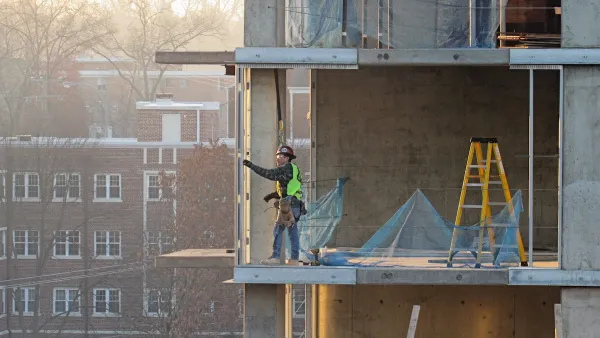
Poll: 2/3 of Virginians Don’t Trust Local Governments to Address Housing Crisis
Three-quarters of residents say the state needs to do more to address housing supply and affordability.

The Rise of Zoning Reform
As the housing affordability crisis spread from mainly coastal cities to the rest of the nation, cities and states are taking a serious look at outdated zoning codes that hamper efforts to build more housing.
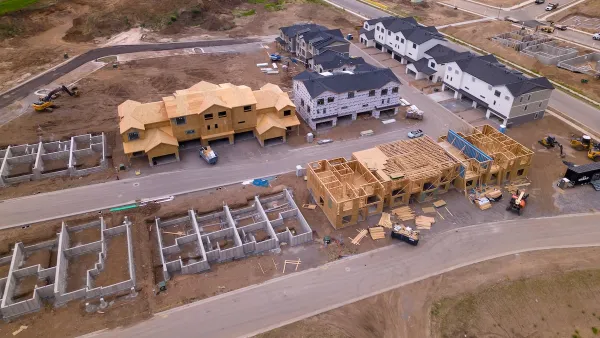
‘Montana Miracle:’ The State Actually Succeeding at Housing Reform
A series of ambitious zoning reforms is having a significant impact on the state’s housing supply.

Planetizen Federal Action Tracker
A weekly monitor of how Trump’s orders and actions are impacting planners and planning in America.

The state-sanctioned urbicide of Austin
People don’t kill cities. Freeways do.

Colorado’s Largest Data Center Could Rise Next to Homes — Without a Public Hearing
The proposed campus would consume 11 times the power of Denver International Airport; as it has across the country, opposition mounts.

Judges permit Denver to divert 77,000 acre feet from the Colorado River for reservoir expansion
Overuse and climate change have caused the Colorado River’s water levels to plummet.

Amtrak, CN end decades-long dispute with eight-year agreement
The new operating agreement establishes an updated framework for the companies to work together, including processes to resolve disputes.

Raised interest rates may kill financially vulnerable construction projects
The chief economist at ConstructConnect warns that if construction project owners are negatively impacted by the raised rates, it could result in delayed payments to contractors.

FREE Course: Walkable City 1: Why Walkability?
After describing his path towards focusing on walkability as the essence of good planning, Jeff Speck marches through his five principal reasons for making more walkable places.
Reinventing Malls: Planning Alchemy—Turning Gray Fields Into Gold
The course focuses on the opportunities and imperatives that shape reinvention of mall sites.

Greater Baltimore Committee
Eagle County Government
Harvard University Graduate School of Design
The Architects Foundation
University of Cincinnati Online
The Pocatello Development Authority
The Urban Renewal Agency of the City of Pocatello
Journal of the American Planning Association