With the agency struggling to fill positions and housing costs rising across the state, the Colorado Department of Transportation is taking matters into its own hands.



As housing costs in Colorado’s mountain towns grow increasingly unaffordable, the Colorado Department of Transportation (CDOT) is hoping a new initiative to build housing for CDOT employees will help the agency attract and retain staff. As Molly Bolan reports in Route Fifty, “About $6.5 million will be used to build 12 to 14 single-family homes in Fairplay and another $4 million in Frisco for 11 apartments.”
According to the agency, CDOT had a 20 percent vacancy rate for its road maintenance positions in November 2022. And while transit agencies face other challenges in hiring new workers—competition from the private sector, remote work, and hazardous conditions, for example—the lack of affordable housing is an important factor in the region.
While CDOT has been offering housing stipends since 2018, the current housing shortage makes it difficult for workers to find any available housing. Bolan adds that simply raising salaries is outside of CDOT’s jurisdiction, while the agency can control other forms of compensation such as hiring bonuses and housing stipends.
Read the full story: Colorado’s DOT Goes from Building Roads to Building Homes

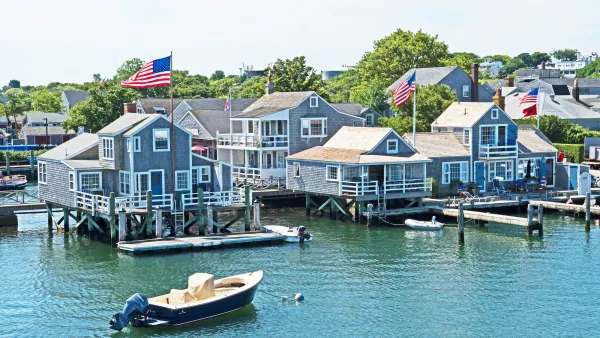
In Nantucket, where over half of homes are for seasonal use, workers struggle to find affordable housing
The island is short roughly 892 to 1,081 rental units.
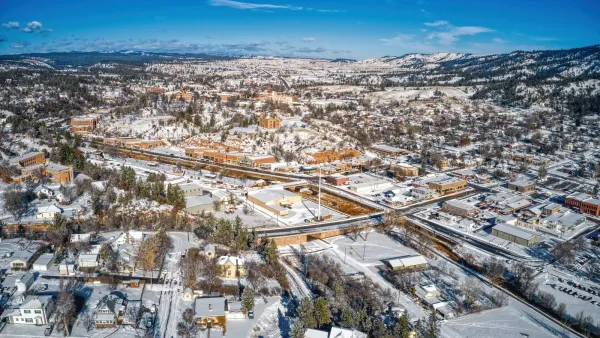
A South Dakota hospital is funding a new subdivision for its employees
Some employees see investing in housing as the only way to stem the loss of workers moving away due to high housing costs.
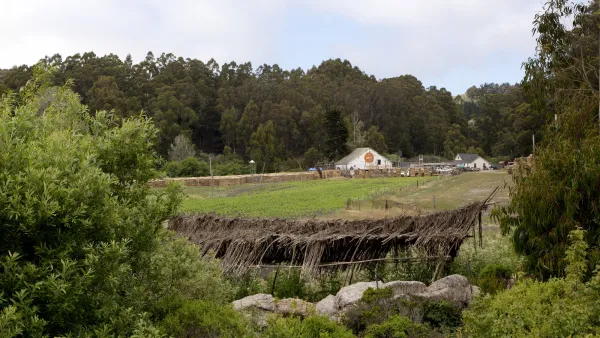
California 'strongly encourages' coastal city to fast-track farmworker housing
The state wants Half Moon Bay to approve a farmworker housing project initially proposed in 2022.

Planetizen Federal Action Tracker
A weekly monitor of how Trump’s orders and actions are impacting planners and planning in America.

The state-sanctioned urbicide of Austin
People don’t kill cities. Freeways do.

Colorado’s Largest Data Center Could Rise Next to Homes — Without a Public Hearing
The proposed campus would consume 11 times the power of Denver International Airport; as it has across the country, opposition mounts.

Nation's most wind-powered state turns to coal as data centers increase energy demand
For the first time in decades, Iowa has increased its generation of coal power.

NYC cools commuters with city's first rain garden above a bus stop
New York City officials say the plants in the rain garden can absorb 16 gallons of rainwater during heavy storms.

Brightline West’s future may rely on $6 billion federal loan
The company has until Nov. 2 to make a $400 million equity investment into its proposed high-speed rail line.

FREE Course: Walkable City 1: Why Walkability?
After describing his path towards focusing on walkability as the essence of good planning, Jeff Speck marches through his five principal reasons for making more walkable places.
Reinventing Malls: Planning Alchemy—Turning Gray Fields Into Gold
The course focuses on the opportunities and imperatives that shape reinvention of mall sites.

Greater Baltimore Committee
Eagle County Government
Harvard University Graduate School of Design
The Architects Foundation
University of Cincinnati Online
The Pocatello Development Authority
The Urban Renewal Agency of the City of Pocatello
Journal of the American Planning Association