Proposed zoning updates that would make it easier to convert office buildings in commercial districts to housing and other uses could yield up to 20,000 new housing units in the next decade.


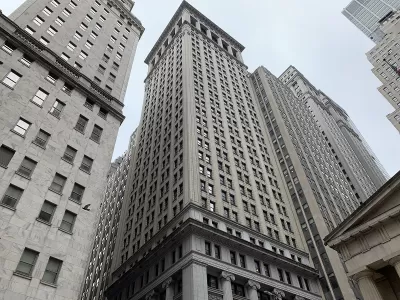
A new plan by New York City Mayor Eric Adams eases the way for developers to convert office buildings to housing and other uses, reports David Brand in Gothamist. “The plan, which draws on recommendations from a city task force convened in July, could pave the way for up to 20,000 new apartments over the next decade, Adams said.”
According to the task force, the vacancy rate for Manhattan office space was 20 percent in late 2022—double the rate in 2019—while the vacancy rate for apartments with rent below $1,500 per month is lower than 1 percent. “Adams’ office conversion proposal would target Midtown Manhattan, as well as other commercial districts, like Downtown Flushing and Bronx Hub. The plan would also allow for a range of housing types, including supportive housing for people who have experienced homelessness and would require changes to city and state laws around zoning requirements.”
Brand notes that prior proposals to convert New York City hotel rooms to housing stalled. As of last September, no hotel rooms had been converted, and hotel occupancy rebounded, causing hotel owners to lose interest in the program.
In an opinion piece in the New York Daily News, Department of City Planning Director Dan Garodnik explains the outdated zoning regulations that hold back building conversions. Notably, buildings built after 1961 (or 1977 in the Financial District) are ineligible for conversion under current rules. According to Garodnik, “That thinking is far too small for today’s challenges.” Garodnik adds, “Expanding the options available to these office buildings will help ensure our business districts’ vitality. And while housing is the top priority, we also need to think creatively about how offices can be turned into child care centers, schools, labs, and other uses we want to see.”
Read the full story: Mayor Adams unveils plans to turn NYC offices into 20,000 new apartments
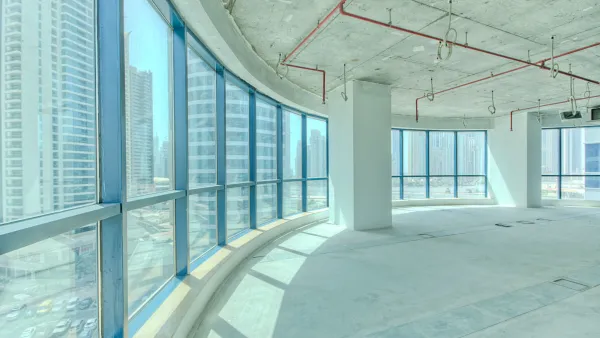
Co-living ‘Microapartments’ Cost Half as Much to Build as Typical Studios
In 10 major U.S. metros, an analysis found that converting office buildings to small co-living units could dramatically cut the costs of construction.
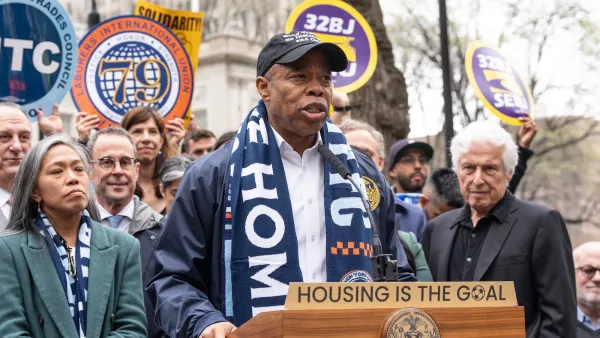
What Actually Got Built Under Eric Adams’ ‘Pro-Housing’ Administration
The outgoing mayor claims credit for hundreds of thousands of new homes. The truth is more complicated.

Texas Legislature’s Surprising Pro-Housing Swing
Smaller homes on smaller lots, office to apartment conversions, and 40% less say for NIMBYs, vote state lawmakers.

Planetizen Federal Action Tracker
A weekly monitor of how Trump’s orders and actions are impacting planners and planning in America.

Eastern Nebraska is running out of electricity
Data centers and electrification are straining eastern Nebraska’s grid, throttling economic development.

Study reveals best places in the U.S. for cycling, walking
New research from Streetlight Data examines bicycle and pedestrian miles per capita in the 100 largest U.S. cities by population.

Chicago cuts ribbon on $300,000, self-cleaning public toilet
The public toilet is the city’s first, and may pave the way for a rollout of similar facilities.

Sharp cuts to Oregon public transit, rail on the horizon without additional funding
Transportation workgroup has until Dec. 15 to send its report to Gov. Tina Kotek

Why does it take an emergency for the U.S. to expedite infrastructure projects?
In June 2023, Philadelphia repaired a melted interstate in 12 days thanks to an emergency order.

FREE Course: Walkable City 1: Why Walkability?
After describing his path towards focusing on walkability as the essence of good planning, Jeff Speck marches through his five principal reasons for making more walkable places.
Reinventing Malls: Planning Alchemy—Turning Gray Fields Into Gold
The course focuses on the opportunities and imperatives that shape reinvention of mall sites.


City of Charlotte
City of Rosemead
Rutgers University, Edward J. Bloustein School of Planning and Public Policy
University of Michigan School for Environment and Sustainability (SEAS)
Hunter College, City University of New York (CUNY)
The Architects Foundation
City of Cambridge
The Pocatello Development Authority
The Urban Renewal Agency of the City of Pocatello