Many local transit agencies that took advantage of a state program that funded free fares throughout August have seen increased ridership even beyond the program’s end.


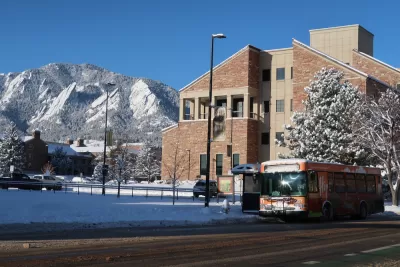
Colorado’s month-long experiment with fare-free transit could have lasting impacts, writes Olivia Prentzel in the Colorado Sun, as many transit agencies around the state are seeing sustained ridership numbers after the program ended. The state offered $28 million in grants to agencies that made transit free in August as an effort to reduce air pollution at the time of year with the highest ozone emissions.
While ridership numbers dipped after the no-fare promotion ended, at least nine of the 14 public transit agencies that participated in the Zero Fare for Better Air program saw more riders in September compared with July, including the Regional Transportation District — which saw a 14% increase in its average weekday ridership from July to September, according to the agency’s final report on the program submitted to the state Wednesday.
As the article notes, “Drawing conclusions from the one-month pilot is challenging, as numbers can be influenced by the start of the school year and large scheduled events, like the Colorado Avalanche games during the NHL playoffs and the Stanley Cup championship parade.” The state is still weighing how to spend remaining funds and whether to renew the program next year.
FULL STORY: Public transit was free for many Coloradans in August. When fares returned, many riders stayed, data shows.

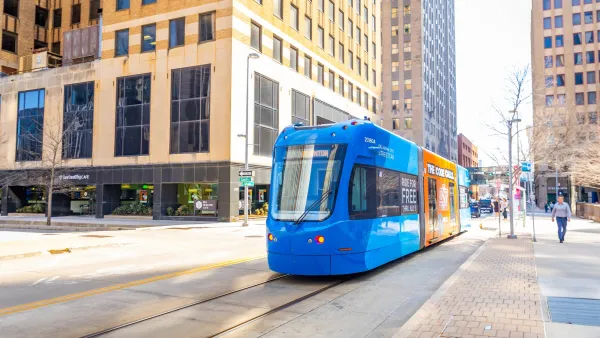
OKC streetcar will stay fare-free after ridership shot up 74%
The downtown streetcar saw a surge in ridership after it eliminated fares in January.
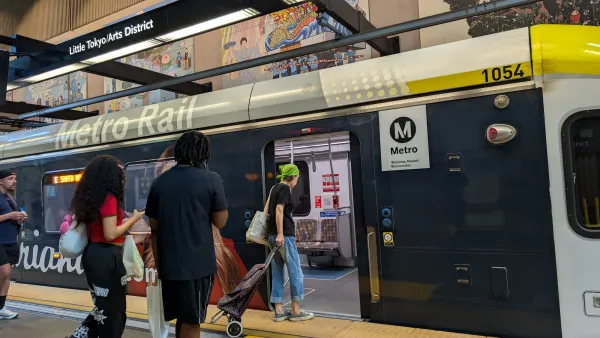
LA mayor wants to make transit fare-free
Los Angeles Mayor Karen Bass says she wants to develop a long-term strategy to make Metro free during her term as chair of the Metro board of directors.
Fisticuffs: The argument FOR fare-free transit
When the barrier to entry drops to zero, magic can happen.

The state-sanctioned urbicide of Austin
People don’t kill cities. Freeways do.

US to reduce Colorado River water deliveries to Mexico
A new Colorado Treaty amendment reduces Mexico’s Colorado River water allocation by 250,000 acre feet.

New Jersey’s second-largest city bans standalone data centers
Jersey City will continue to allow co-location facilities, such as those meant for research institutions that store their own data.

Amtrak not solely to blame for New Jersey commuter rail's unreliability, report finds
A new study from the Garden State Initiative found that NJ Transit’s budget grew 20% across a 4 year period, but reliability declined significantly over the same period.

EPA erases limits on planet-warming pollution from power plants
Under Monday’s plan, power plants would still have some limits on how much mercury, arsenic and other contaminants they can emit.

Phoenix announces new on-demand transit service, more frequent RAPID buses
Both new services will launch in October, and are part of Phoenix's Project Effective Access Solutions for Easing Congestion.

FREE Course: Walkable City 1: Why Walkability?
After describing his path towards focusing on walkability as the essence of good planning, Jeff Speck marches through his five principal reasons for making more walkable places.
Reinventing Malls: Planning Alchemy—Turning Gray Fields Into Gold
The course focuses on the opportunities and imperatives that shape reinvention of mall sites.

Eagle County Government
Harvard University Graduate School of Design
Nashville Planning Department
The Architects Foundation
University of Cincinnati Online
The Pocatello Development Authority
The Urban Renewal Agency of the City of Pocatello
Journal of the American Planning Association