A new analysis of developer-initiated rezonings in Louisville, Kentucky sheds light on how the land use regulation system works.


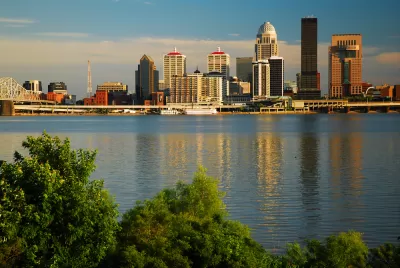
Zoning amendments in Louisville, Kentucky are more likely to reflect wealthy neighborhoods, according to new research from the Urban Institute.
In the article linked below, Lydia Lo and Yonah Freemark present the finds of a recent study that examined a new dataset of all rezoning applications from 2010 to 2020 in the combined Louisville–Jefferson County jurisdiction (Metro). For those who might not be familiar with the Louisville region, that means the dataset covers the merged city-county government and several other incorporated municipalities. The researchers also researched alongside Metro’s ongoing racial equity review of its zoning code and processes.
“[T]he system as a whole—including the housing market and the rezoning approval process—advantages wealthy neighborhoods in the process of managing development,” according to the article. “Developer interest in investment— indicated by the number of building permits and rezoning applications—centers on wealthier, more expensive neighborhoods in Louisville,” and local governments approve most of the zoning amendments they encounter, but at differing rates based on the neighborhoods where they are proposed.
More findings from the evaluation, and a link to the full report, can be found below.
FULL STORY: Influencers, Bias, and Equity in Rezoning Cases


Development Streamlining Proposal Dies in San Francisco
The doomed effort was Mayor London Breed's third attempt to streamline development in the city.

Controversial Zoning Changes Clear the Way for New Pittsburgh Subdistrict
The Pittsburgh City Council gave the green light to a zoning amendment that could eventually produce 1,000 apartment units planned for the neighborhood of Oakland.

Landmark Environmental Justice Law Signed in New Jersey
New Jersey is now home to one of the "most stringent" environmental justice laws in the country.

The state-sanctioned urbicide of Austin
People don’t kill cities. Freeways do.

US to reduce Colorado River water deliveries to Mexico
A new Colorado Treaty amendment reduces Mexico’s Colorado River water allocation by 250,000 acre feet.

New Jersey’s second-largest city bans standalone data centers
Jersey City will continue to allow co-location facilities, such as those meant for research institutions that store their own data.

Amtrak not solely to blame for New Jersey commuter rail's unreliability, report finds
A new study from the Garden State Initiative found that NJ Transit’s budget grew 20% across a 4 year period, but reliability declined significantly over the same period.

EPA erases limits on planet-warming pollution from power plants
Under Monday’s plan, power plants would still have some limits on how much mercury, arsenic and other contaminants they can emit.

Phoenix announces new on-demand transit service, more frequent RAPID buses
Both new services will launch in October, and are part of Phoenix's Project Effective Access Solutions for Easing Congestion.

FREE Course: Walkable City 1: Why Walkability?
After describing his path towards focusing on walkability as the essence of good planning, Jeff Speck marches through his five principal reasons for making more walkable places.
Reinventing Malls: Planning Alchemy—Turning Gray Fields Into Gold
The course focuses on the opportunities and imperatives that shape reinvention of mall sites.

Eagle County Government
Harvard University Graduate School of Design
Nashville Planning Department
The Architects Foundation
University of Cincinnati Online
The Pocatello Development Authority
The Urban Renewal Agency of the City of Pocatello
Journal of the American Planning Association