A proposed bill would distribute $100 in transit fare to District residents and provide $10 million to improving bus and streetcar services in underserved neighborhoods.


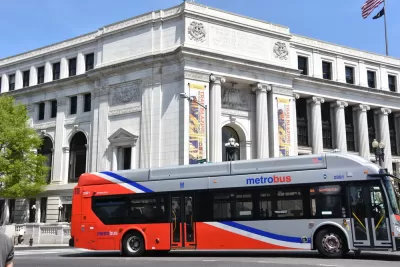
The Washington, D.C. Council’s Committee on Transportation approved a proposed act that would give District residents a $100 monthly transit subsidy in an effort to boost ridership by bringing in new users and support low-income riders who never stopped depending on public transit.
As John Besche reports in Greater Greater Washington, the program will automatically enroll all eligible D.C. residents, but Besche notes that the Washington Metropolitan Area Transit Authority (WMATA) will only receive funds when riders actually spend it on trips.
Councilmember Charles Allen, who sponsored the bill, acknowledged that “low-cost or free service isn’t worth much if the system doesn’t meet riders’ needs.” Accordingly, “The bill also provides a $10 million Transit Equity fund for WMATA and the District Department of Transportation to improve bus and streetcar service, and prioritize underserved areas where people are dependent on public transit.” The support would come at a critical time for the beleaguered WMATA, which has been experiencing service disruptions, delays, and mechanical problems.


DC Metro Targets Bus Fare Evasion
The WMATA says roughly 70 percent of riders do not pay fares.
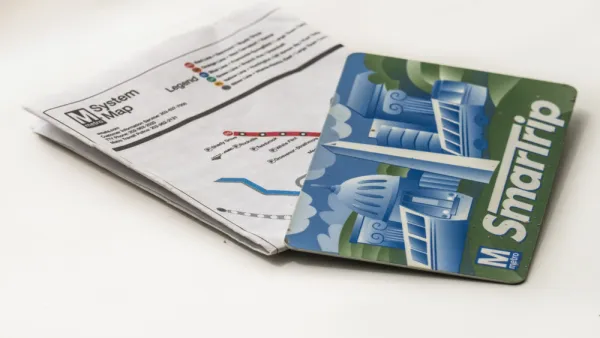
Impending ‘Fiscal Cliff’ Could Doom DC Transit’s Dramatic Improvement Efforts
Without additional funding, the region’s transit agency could be forced to reverse key changes that have improved service in the past year.
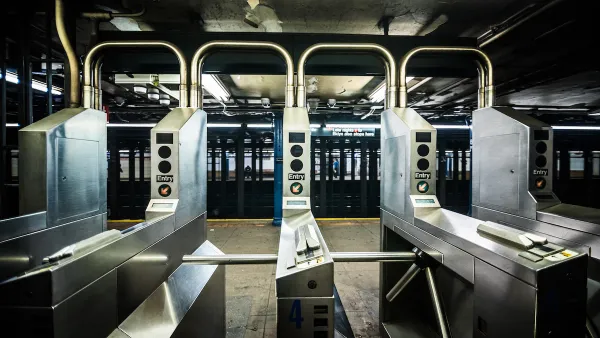
Opinion: Fare Evasion Is a Red Herring
The loss of revenue from fare evasion is a drop in the bucket compared to the fiscal cliff facing major U.S. transit agencies.

The state-sanctioned urbicide of Austin
People don’t kill cities. Freeways do.

US to reduce Colorado River water deliveries to Mexico
A new Colorado Treaty amendment reduces Mexico’s Colorado River water allocation by 250,000 acre feet.

New Jersey’s second-largest city bans standalone data centers
Jersey City will continue to allow co-location facilities, such as those meant for research institutions that store their own data.

Amtrak not solely to blame for New Jersey commuter rail's unreliability, report finds
A new study from the Garden State Initiative found that NJ Transit’s budget grew 20% across a 4 year period, but reliability declined significantly over the same period.

EPA erases limits on planet-warming pollution from power plants
Under Monday’s plan, power plants would still have some limits on how much mercury, arsenic and other contaminants they can emit.

Phoenix announces new on-demand transit service, more frequent RAPID buses
Both new services will launch in October, and are part of Phoenix's Project Effective Access Solutions for Easing Congestion.

FREE Course: Walkable City 1: Why Walkability?
After describing his path towards focusing on walkability as the essence of good planning, Jeff Speck marches through his five principal reasons for making more walkable places.
Reinventing Malls: Planning Alchemy—Turning Gray Fields Into Gold
The course focuses on the opportunities and imperatives that shape reinvention of mall sites.

Eagle County Government
Harvard University Graduate School of Design
Nashville Planning Department
The Architects Foundation
University of Cincinnati Online
The Pocatello Development Authority
The Urban Renewal Agency of the City of Pocatello
Journal of the American Planning Association