Experts have little hope that growing rent costs will stabilize anytime soon.


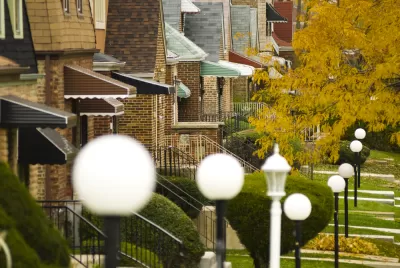
Writing in the Chicago Tribune, Dia Gill and Darcel Rockett describe Chicago’s housing crisis, which is forcing residents to make difficult choices in order to afford rising rents, which have gone up by 9 percent since 2021. As the authors note, “A combination of inflation and climbing demand for units as consumers emerge from the pandemic has driven up rents, with little to no sign that prices will reverse any time soon.”
Residents are coping in a variety of ways. While some have the resources to buy their own homes, others struggle to find affordable housing near the jobs and amenities they need. “Going forward, it is unclear if increasing the supply of units will ease rents, as inflation has driven construction costs up — and once renters land a unit downtown they aren’t as incentivized to leave as they were in 2020.”
Meanwhile, supply continues to remain low. “A report by Marcus & Millichap notes that for the first time since 2000, fewer than 18,000 units will be available in the downtown market this year, and the vacancy rate is expected to be less than half of the 2019 level.”
FULL STORY: Rents are going up, forcing Chicagoans to make lifestyle changes, or hunt for more affordable housing.

Rents Rose Between December and January
After dropping to a three-year low, U.S. rent costs grew in many major cities.
Commentary: Residential Vacancies Don’t Outweigh Need for New Housing
The myth that there are plenty of vacant housing units in U.S. cities comes from misconceptions about leasing timelines and developer incentives.
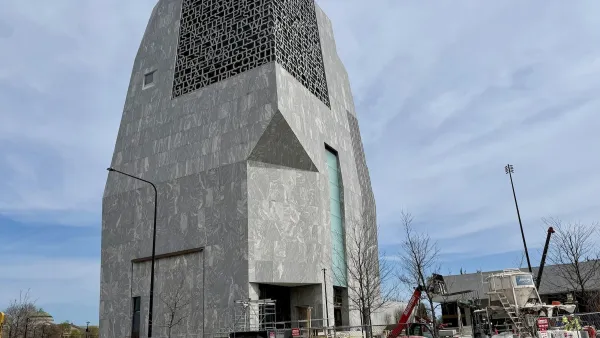
Short-term rental licenses grew by 46% near Obama Center as affordable homes disappear
The Chicago ward where the Obama library is located is one of the only parts of the city to see an increase in STR licenses.

Planetizen Federal Action Tracker
A weekly monitor of how Trump’s orders and actions are impacting planners and planning in America.

The state-sanctioned urbicide of Austin
People don’t kill cities. Freeways do.

US to reduce Colorado River water deliveries to Mexico
A new Colorado Treaty amendment reduces Mexico’s Colorado River water allocation by 250,000 acre feet.

5 New England states march closer to 800 megawatt wind energy project
Securing federal approval for the project may be complicated under the Trump administration, which has historically been hostile towards domestic wind power.

Baltimore to break ground on $50 million Transit Priority Project
The project will bring faster bus trips, safer streets and better bike connections to Baltimore.

Airbnb launches $250 million 'last-dollar financing' housing accelerator, makes first investment in Austin
The company will put $6.4 million towards affordable housing development in Texas’ capital.

FREE Course: Walkable City 1: Why Walkability?
After describing his path towards focusing on walkability as the essence of good planning, Jeff Speck marches through his five principal reasons for making more walkable places.
Reinventing Malls: Planning Alchemy—Turning Gray Fields Into Gold
The course focuses on the opportunities and imperatives that shape reinvention of mall sites.

Eagle County Government
Harvard University Graduate School of Design
Nashville Planning Department
The Architects Foundation
University of Cincinnati Online
The Pocatello Development Authority
The Urban Renewal Agency of the City of Pocatello
Journal of the American Planning Association