Lake Street’s designation as a ‘slow street’ is overwhelmingly popular with residents. Why does the city plan to dismantle it?


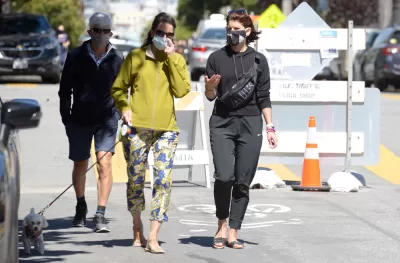
Despite having support from more than 80 percent of respondents to a city survey, San Francisco officials plan to dismantle one of its remaining ‘slow streets.’ “It’s unclear why the city made this decision after it worked so hard to confirm that a clear majority of people in the area wanted to keep the street unavailable for cut-through traffic,” writes Roger Rudick in Streetsblog San Francisco.
Over the last two years, since Lake Street’s initial closure to through traffic, the city has solicited several rounds of public input, during which only a small minority objected to the closure. Yet the city is canceling plans to install concrete diverters and plans to remove existing slow street infrastructure. Advocates say the move is in blatant opposition to the city’s stated Vision Zero goals, as “traffic deaths and serious injuries in San Francisco just keep getting worse because the city signs pledges and makes promises but then backs off nearly all concrete action to make streets safer.”
In May, CBS Bay Area reported on San Francisco’s slow streets program. At that time, four of the city’s nearly 30 slow streets were approved to stay in place, including Lake St.
FULL STORY: S.F. Trashes Outreach, Kills Slow Lake St.

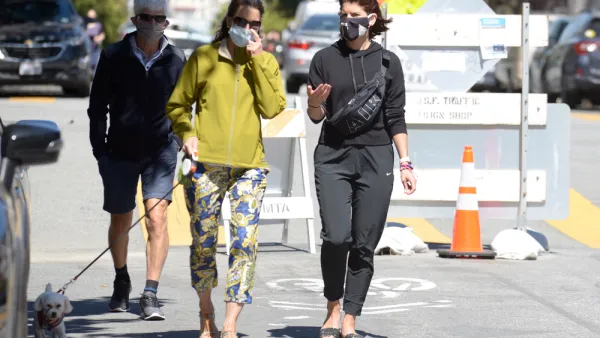
San Francisco ‘Slow Streets’ Face Uncertain Future
The pandemic-era ‘slow streets’ experiment has met with mixed reviews from residents, prompting the city to consider the removal or adjustment of many segments.
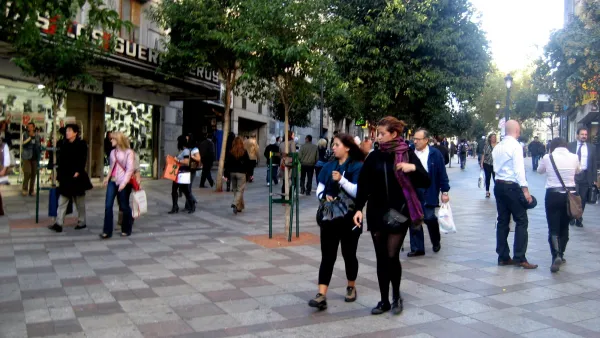
Pedestrian Malls in the 21st Century
The successes and failures of past pedestrian malls can inform the future of pandemic-induced "open streets" programs.
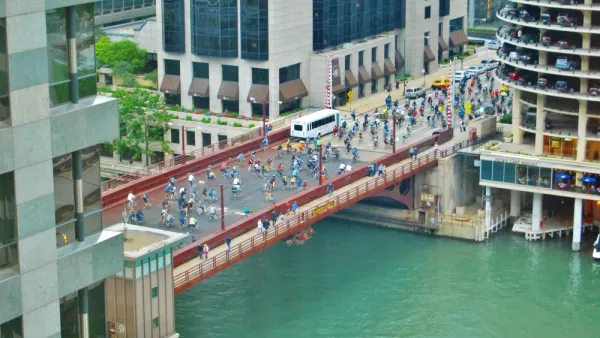
Chicago Dismantles Leland 'Slow Street' Three Months Early
Citing neighborhood concerns, the city is ending the Slow Street program on Leland Street as more parks and beaches reopen, but advocates want to see more permanent traffic calming measures.

Planetizen Federal Action Tracker
A weekly monitor of how Trump’s orders and actions are impacting planners and planning in America.

The state-sanctioned urbicide of Austin
People don’t kill cities. Freeways do.

US to reduce Colorado River water deliveries to Mexico
A new Colorado Treaty amendment reduces Mexico’s Colorado River water allocation by 250,000 acre feet.

5 New England states march closer to 800 megawatt wind energy project
Securing federal approval for the project may be complicated under the Trump administration, which has historically been hostile towards domestic wind power.

Baltimore to break ground on $50 million Transit Priority Project
The project will bring faster bus trips, safer streets and better bike connections to Baltimore.

Airbnb launches $250 million 'last-dollar financing' housing accelerator, makes first investment in Austin
The company will put $6.4 million towards affordable housing development in Texas’ capital.

FREE Course: Walkable City 1: Why Walkability?
After describing his path towards focusing on walkability as the essence of good planning, Jeff Speck marches through his five principal reasons for making more walkable places.
Reinventing Malls: Planning Alchemy—Turning Gray Fields Into Gold
The course focuses on the opportunities and imperatives that shape reinvention of mall sites.

Eagle County Government
Harvard University Graduate School of Design
Nashville Planning Department
The Architects Foundation
University of Cincinnati Online
The Pocatello Development Authority
The Urban Renewal Agency of the City of Pocatello
Journal of the American Planning Association