The city of Seattle will have an updated comprehensive plan by the end of 2024, with zoning changes to follow by 2025.



The Seattle Office of Planning and Community Development (OPCD) recently unveiled rezoning concepts for the 2024 “One Seattle Plan” comprehensive plan update, according to an article by Doug Trumm for the Urbanist.
OPCD is soliciting public feedback through July 25 on the proposed zoning changes for the One Seattle Plan, and will release a Draft Environmental Impact Statement (EIS) for the comprehensive plan by April 2023. Rico Quirindongo, acting director of OPCD, is quoted in the article saying that public feedback is essential to ensuring that the proposed rezoning concepts provide “the right range of options for where we encourage new housing and jobs in Seattle.”
Trumm identifies the “Combined” Alternative 5 as the most promising rezoning concept from an urbanism perspective:
For urbanists, the “Combined” Alternative 5 emerges as a clear favorite as it combines a “missing middle” gentle density approach in Neighborhood Residential zones with more focused zoning changes on transit corridors and in expanded urban village boundaries, allowing for the best of both worlds. Alternative 5 would best encourage housing growth, promote a diversity of housing choices, while also pulling in more affordable housing contributions via the Mandatory Housing Affordability (MHA) program, which does not currently apply to development in Neighborhood Residential zones, which is predominantly single-family detached homes.
According to Trumm, the other rezoning concepts are 1) No Action, 2) Focused, 3) Broad, and 4) Corridor. A matrix of these conceptual alternatives is included in the source article below. Trumm includes recommendations for how alternatives 2, 3, 4, and 5 can be improved to better meet the needs of Seattle in the future.
“Seattle’s last major Comprehensive Plan update in 2015 aimed to accommodate 120,000 new residents over 20 years,” explains Trumm for context on the pressure to get set the right targets and provide the right tools with the current update of the plan. “In 2015, The Urbanist editorial board pushed the city to go bigger by expanding and adding more urban villages, but the City stuck with the more modest changes it had planned. Seattle ended up adding about 130,000 residents between 2010 and 2020 alone, according to census figures, which suggests the previous growth target was set too low.”
FULL STORY: Seattle Reveals Rezoning Concepts and Invites Scoping Comments for Big 2024 Update


Opinion: Voters Deserve to See the Draft ‘One Seattle’ Plan
Despite a promise to release a draft comprehensive plan update in April and with elections in less than a week, Seattle residents are still waiting to see the city’s proposal for how to guide development in the next decades.
New Community Engagement Practices for Seattle’s Comprehensive Plan Update
A major update of Seattle’s comprehensive plan is just getting under way, with new opportunities for local groups to get involved with outreach and engagement.
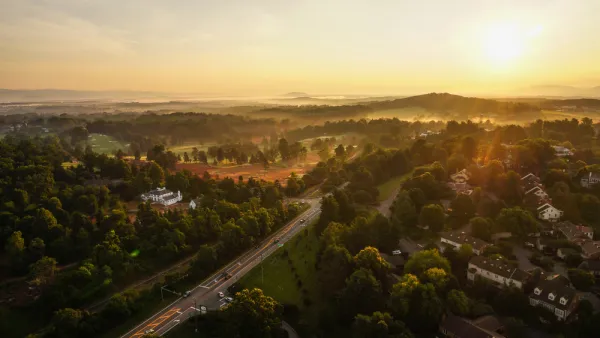
Charlottesville Comprehensive Plan Update Attracts Opponents
An updated version of the Charlottesville comprehensive plan update is now available for public comment, and a recent article in the local paper lets plan opponents air their grievances.

Planetizen Federal Action Tracker
A weekly monitor of how Trump’s orders and actions are impacting planners and planning in America.

The state-sanctioned urbicide of Austin
People don’t kill cities. Freeways do.

US to reduce Colorado River water deliveries to Mexico
A new Colorado Treaty amendment reduces Mexico’s Colorado River water allocation by 250,000 acre feet.

Mamdani overhauls NYC's Vision Zero plan with 100 new policy goals
The overhaul aims to reduce traffic deaths and make streets safer for pedestrians, cyclists and drivers through lower speed limits, new safety infrastructure and more.

Amtrak not solely to blame for New Jersey commuter rail's unreliability, report finds
A new study from the Garden State Initiative found that NJ Transit’s budget grew 20% across a 4 year period, but reliability declined significantly over the same period.

EPA erases limits on planet-warming pollution from power plants
Under Monday’s plan, power plants would still have some limits on how much mercury, arsenic and other contaminants they can emit.

FREE Course: Walkable City 1: Why Walkability?
After describing his path towards focusing on walkability as the essence of good planning, Jeff Speck marches through his five principal reasons for making more walkable places.
Reinventing Malls: Planning Alchemy—Turning Gray Fields Into Gold
The course focuses on the opportunities and imperatives that shape reinvention of mall sites.

Eagle County Government
Harvard University Graduate School of Design
Nashville Planning Department
The Architects Foundation
University of Cincinnati Online
The Pocatello Development Authority
The Urban Renewal Agency of the City of Pocatello
Journal of the American Planning Association