The agency is pressing ahead with the redesign of its bus system, which has led to a 15 percent increase in ridership since its launch, but ridership remains well below pre-pandemic levels.


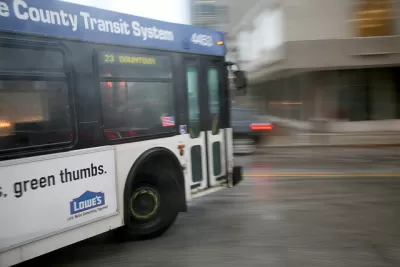
Madeline Fox of Wisconsin Public Radio reports on the state of Wisconsin’s transit agencies, which, like others around the country, continue to struggle to adapt to the dramatic changes in ridership and travel patterns that occured over the last two years.
Despite budget deficits—“The Milwaukee County Transit System is expecting a $32.8 million budget deficit by 2025”—the agency is moving forward with its redesign plans. “The county transit system is nearly a year into its MCTS Next redesign, which includes making 60 percent of buses arrive at least every 15 minutes during service hours, up from 40 percent. The system removed some stops that were close together, shortening some routes while extending others.”
Today, the agency is seeing roughly 60 percent of pre-pandemic ridership. “Winter said Milwaukee is continuing to tweak its routes in response to rider and driver feedback — it's made sure all the bus drivers' routes have bathrooms they can access, for example.”
Read the full story: Wisconsin transportation agencies make their case for public transit as pandemic, budget woes loom

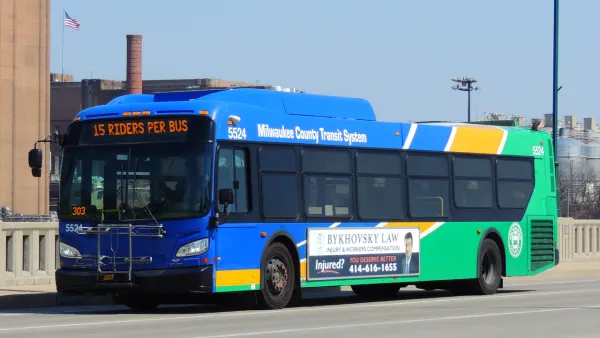
Postponed Milwaukee BRT Project at Least a Decade Away
The county’s transit system won’t pursue a second rapid bus line due to financial constraints.
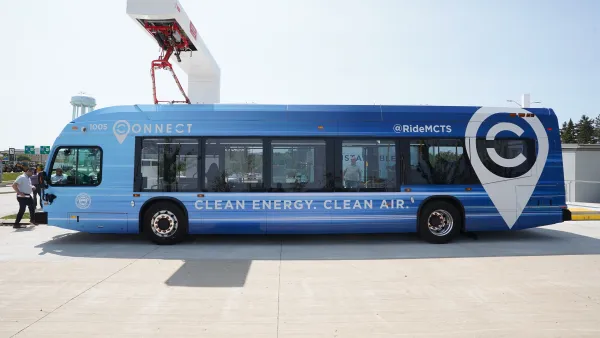
Milwaukee BRT Proves Popular With Riders
The newly opened line is already reaching pre-pandemic ridership levels.
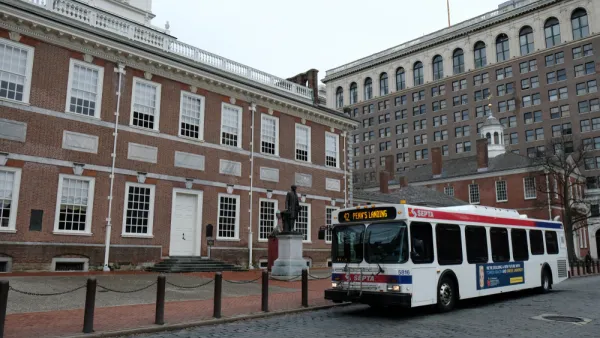
Digging Into SEPTA’s Problems
Philadelphia’s transit agency faces some structural challenges as it struggles to reorganize its services and bring back ridership.

Planetizen Federal Action Tracker
A weekly monitor of how Trump’s orders and actions are impacting planners and planning in America.

Colorado’s Largest Data Center Could Rise Next to Homes — Without a Public Hearing
The proposed campus would consume 11 times the power of Denver International Airport; as it has across the country, opposition mounts.

US to reduce Colorado River water deliveries to Mexico
A new Colorado Treaty amendment reduces Mexico’s Colorado River water allocation by 250,000 acre feet.

'This is going to be painful:’ Virginia stares down $1.7 billion funding gap for highway maintenance
The state may address the deficit by shifting $290 million from its construction budget to maintenance projects.

Judges permit Denver to divert 77,000 acre feet from the Colorado River for reservoir expansion
Overuse and climate change have caused the Colorado River’s water levels to plummet.
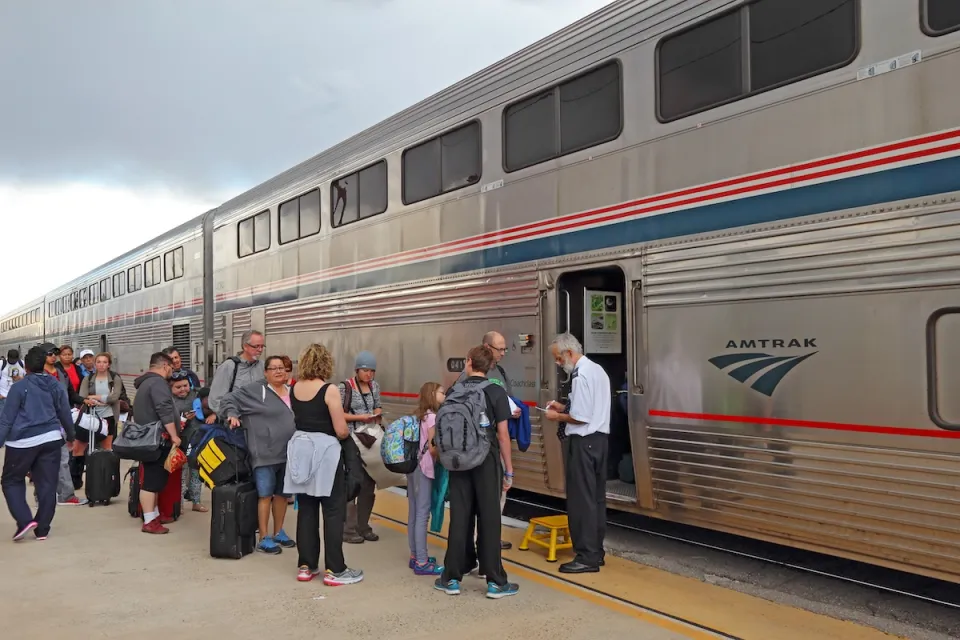
Amtrak, CN end decades-long dispute with eight-year agreement
The new operating agreement establishes an updated framework for the companies to work together, including processes to resolve disputes.

FREE Course: Walkable City 1: Why Walkability?
After describing his path towards focusing on walkability as the essence of good planning, Jeff Speck marches through his five principal reasons for making more walkable places.
Reinventing Malls: Planning Alchemy—Turning Gray Fields Into Gold
The course focuses on the opportunities and imperatives that shape reinvention of mall sites.

KFH Group Inc.
Greater Baltimore Committee
Eagle County Government
The Architects Foundation
University of Cincinnati Online
The Pocatello Development Authority
The Urban Renewal Agency of the City of Pocatello