The parking mandates and subsidies prevalent in American cities stifle development and remove agency from property owners and residents.


On the Strong Towns podcast, John Pattison outlines the organization’s position that parking mandates and subsidies “are probably hobbling your city’s strength and resilience right now.” The 2022 Strong Towns strategic plan includes a priority campaign to end parking mandates and subsidies as one way to make land use more productive and make cities more livable and affordable.
According to Strong Towns, parking mandates raise the cost of construction, increase the need for public investment in infrastructure, and come with opportunity costs like the loss of valuable real estate to parking. “Maybe that’s what’s most insidious about parking mandates: they take away the flexibility and agency that homeowners, developers, business owners, and residents deserve.”
Parking mandates and subsidies are so universally bad that getting rid of them is one of the few one-size-fits-all-communities recommendations we make at Strong Towns.
“This one, reasonable change to our approach will unlock opportunities for more housing, more businesses, more outdoor seating, more parks and other public spaces, better public transportation systems, more pleasant places to walk and bike, and stronger and more financially resilient cities.”
FULL STORY: End the Parking Mandates and Subsidies That Are Hurting Our Cities

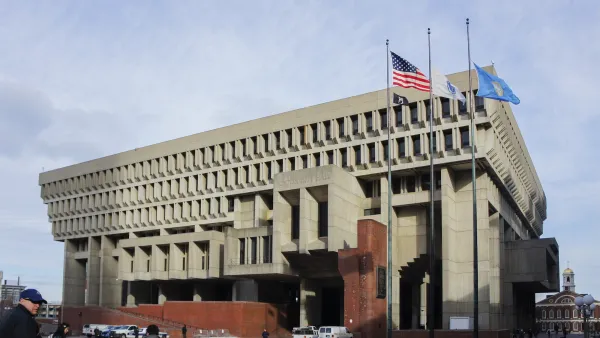
Boston Considers Eliminating Parking Requirements
Boston could join other major cities in eliminating outdated parking regulations that drive up the cost of housing.
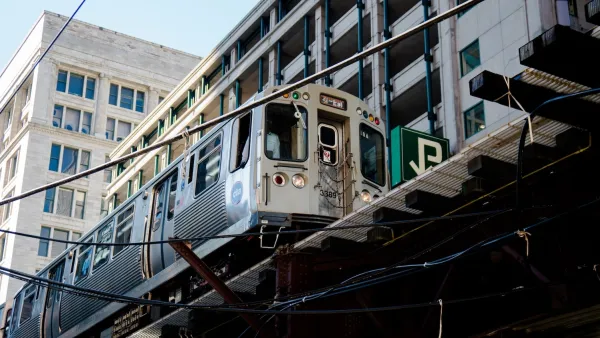
Illinois ‘People Over Parking Act’ Bans Parking Requirements Near Transit
The new law could unlock denser, more affordable housing development near train and bus lines.
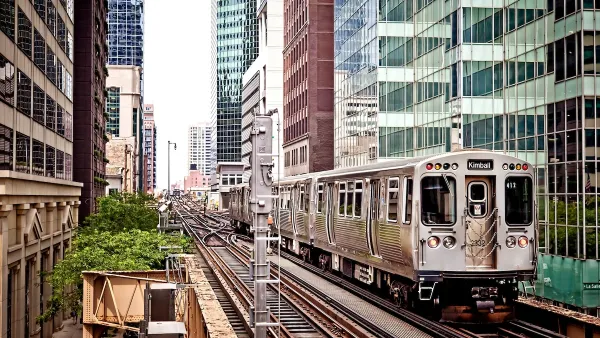
Chicago Eliminates Parking Minimums Near Transit
Changes to a city ordinance make it easier to build ‘by-right’ car-free developments near train stations and pave the way for more affordable housing.

Planetizen Federal Action Tracker
A weekly monitor of how Trump’s orders and actions are impacting planners and planning in America.

The state-sanctioned urbicide of Austin
People don’t kill cities. Freeways do.

US to reduce Colorado River water deliveries to Mexico
A new Colorado Treaty amendment reduces Mexico’s Colorado River water allocation by 250,000 acre feet.

5 New England states march closer to 800 megawatt wind energy project
Securing federal approval for the project may be complicated under the Trump administration, which has historically been hostile towards domestic wind power.

Baltimore to break ground on $50 million Transit Priority Project
The project will bring faster bus trips, safer streets and better bike connections to Baltimore.

Airbnb launches $250 million 'last-dollar financing' housing accelerator, makes first investment in Austin
The company will put $6.4 million towards affordable housing development in Texas’ capital.

FREE Course: Walkable City 1: Why Walkability?
After describing his path towards focusing on walkability as the essence of good planning, Jeff Speck marches through his five principal reasons for making more walkable places.
Reinventing Malls: Planning Alchemy—Turning Gray Fields Into Gold
The course focuses on the opportunities and imperatives that shape reinvention of mall sites.

Eagle County Government
Harvard University Graduate School of Design
Nashville Planning Department
The Architects Foundation
University of Cincinnati Online
The Pocatello Development Authority
The Urban Renewal Agency of the City of Pocatello
Journal of the American Planning Association