The city is temporarily pausing applications after the program ran out of funds less than a month after the city announced it.


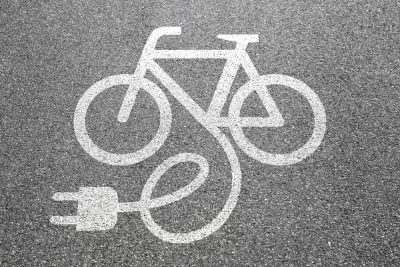
“Less than three weeks from its launch, the City of Denver reached its limit for rebates for the popular e-bike rebate program,” writes Jennifer McRae for CBS Denver.
Grace Rink, Denver’s chief climate officer, says “There is a clear desire for e-bikes, and for trying a healthier and more sustainable way to get around our beautiful city. The work of our office is to find climate solutions that directly benefit residents, and I think we have a clear winner here.”
According to the article, “Since the program launched on Earth Day, the city has received 3,250 e-bike rebate applications. Forty percent of those applications are income-qualified, which accounts for 55% of the program’s available funding.” The program awarded $400 or $1,200 vouchers based on the type of bike and income qualifications.
The city plans to release more applications as funds become available.
FULL STORY: Denver’s Electric Bike Rebate Program Surpasses Expectations

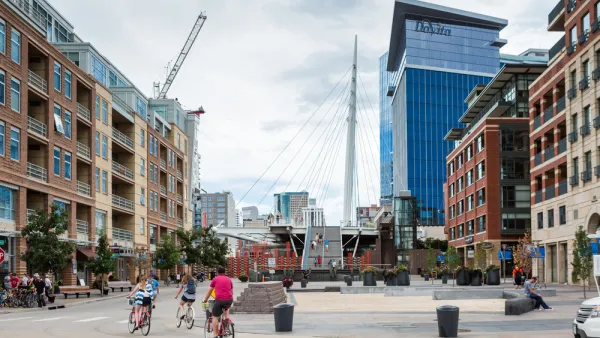
Success of Denver’s E-Bike Rebate Continues Unabated
The city’s latest round of vouchers were snapped up by the public within minutes of being released, showing the unrelenting popularity of the e-bike rebate program.
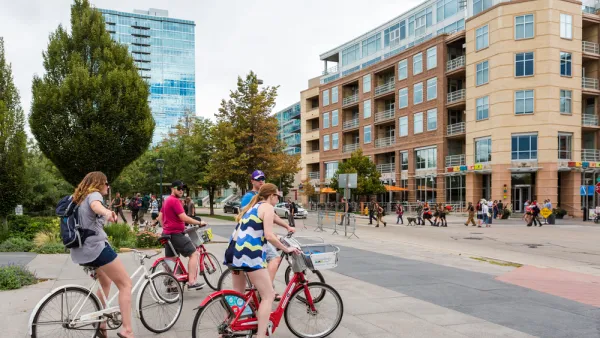
Denver Taking New Applications for Wildly Popular E-Bike Rebate Program
Residents are taking advantage of the city’s rebate program, which offers discounts of up to $1,200 on e-bikes for low-income residents.
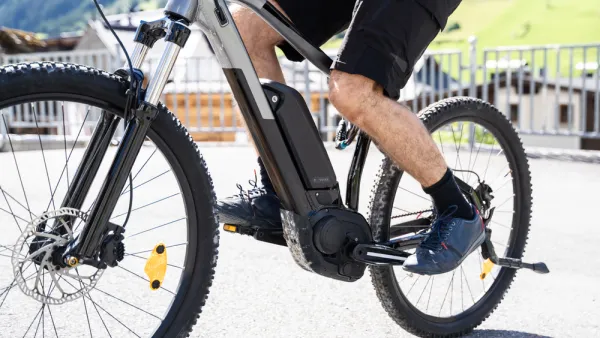
Denver Announces Rebate for E-Bike Buyers
Denver residents will be eligible to receive up to $1,200 in rebates on electric bike purchases as part of an effort to help more people access sustainable transportation modes.

Planetizen Federal Action Tracker
A weekly monitor of how Trump’s orders and actions are impacting planners and planning in America.

The state-sanctioned urbicide of Austin
People don’t kill cities. Freeways do.

US to reduce Colorado River water deliveries to Mexico
A new Colorado Treaty amendment reduces Mexico’s Colorado River water allocation by 250,000 acre feet.

Mamdani overhauls NYC's Vision Zero plan with 100 new policy goals
The overhaul aims to reduce traffic deaths and make streets safer for pedestrians, cyclists and drivers through lower speed limits, new safety infrastructure and more.

Amtrak not solely to blame for New Jersey commuter rail's unreliability, report finds
A new study from the Garden State Initiative found that NJ Transit’s budget grew 20% across a 4 year period, but reliability declined significantly over the same period.

EPA erases limits on planet-warming pollution from power plants
Under Monday’s plan, power plants would still have some limits on how much mercury, arsenic and other contaminants they can emit.

FREE Course: Walkable City 1: Why Walkability?
After describing his path towards focusing on walkability as the essence of good planning, Jeff Speck marches through his five principal reasons for making more walkable places.
Reinventing Malls: Planning Alchemy—Turning Gray Fields Into Gold
The course focuses on the opportunities and imperatives that shape reinvention of mall sites.

Eagle County Government
Harvard University Graduate School of Design
Nashville Planning Department
The Architects Foundation
University of Cincinnati Online
The Pocatello Development Authority
The Urban Renewal Agency of the City of Pocatello
Journal of the American Planning Association