In a first since 2015, the number of people experiencing homelessness in San Francisco declined from the year prior, according to preliminary analysis of the city’s most recent Point-in-Time count.


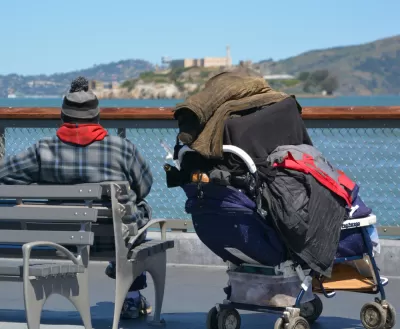
“[N]ew data released Monday showed that San Francisco’s unhoused population has fallen 3.5% since 2019, the first such decline the city has reported in years,” report Andre Picon and J.D. Morris for the San Francisco Chronicle.
“The data shows the total number of unhoused residents in San Francisco at 7,754, a 3.5% drop from the 8,035 homeless people counted in 2019 when the city saw a 17% spike. The number of unsheltered people in tents and cars dropped 15%,” according to the article.
San Francisco officials attributed the reported 15% overall drop in the unsheltered homeless population to significant increases in shelter beds and supportive housing resources, "including a 24% increase in available shelter beds over the past three years,” add Picon and Morris.
The news comes despite predictions that homelessness would spike during the pandemic. Similar point-in-time counts for other parts of the region showed increasing numbers of people experiencing homelessness. For example, "Alameda County’s homeless population increased by 22% since 2019, jumping from 8,022 to 9,747, according to that county’s one-night count,” according to the article.
San Francisco’s Point-in-Time count took place on February 23, 2022. The process for this year’s count implemented a substantive change: instead of volunteers, homeless service workers conducted the survey.
FULL STORY: New data shows fewer people are homeless in San Francisco. Here’s why

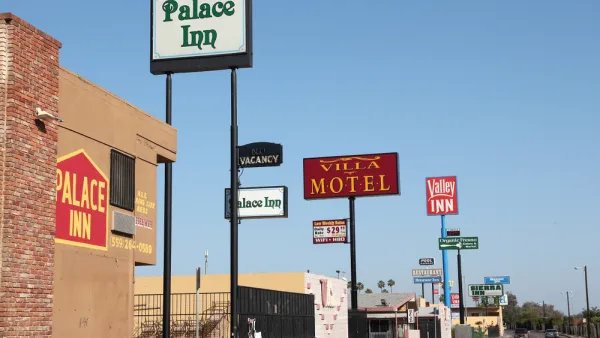
Beleaguered Project Homekey Credited With Local Success
California's Project Homekey has been a boon for homelessness support services as well as the economic and living conditions on a corridor in Fresno known as Motel Drive.
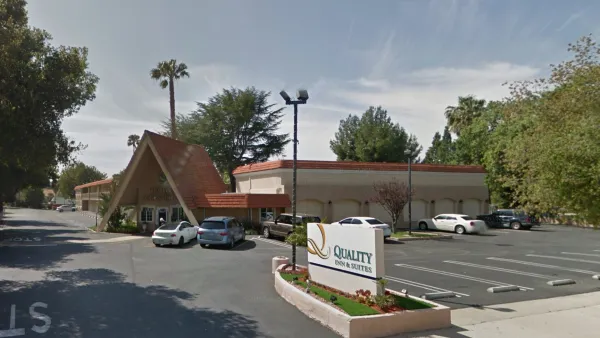
California's hotel-to-housing program put 13,500 people into homes
A CalMatters analysis evaluates the success of the state's pandemic-era homeless housing program.

New State Study Suggests Homelessness Far Undercounted in New Mexico
An analysis of hospital visit records provided a more accurate count than the annual point-in-time count used by most agencies.

Planetizen Federal Action Tracker
A weekly monitor of how Trump’s orders and actions are impacting planners and planning in America.

The state-sanctioned urbicide of Austin
People don’t kill cities. Freeways do.

US to reduce Colorado River water deliveries to Mexico
A new Colorado Treaty amendment reduces Mexico’s Colorado River water allocation by 250,000 acre feet.

5 New England states march closer to 800 megawatt wind energy project
Securing federal approval for the project may be complicated under the Trump administration, which has historically been hostile towards domestic wind power.

Baltimore to break ground on $50 million Transit Priority Project
The project will bring faster bus trips, safer streets and better bike connections to Baltimore.

Airbnb launches $250 million 'last-dollar financing' housing accelerator, makes first investment in Austin
The company will put $6.4 million towards affordable housing development in Texas’ capital.

FREE Course: Walkable City 1: Why Walkability?
After describing his path towards focusing on walkability as the essence of good planning, Jeff Speck marches through his five principal reasons for making more walkable places.
Reinventing Malls: Planning Alchemy—Turning Gray Fields Into Gold
The course focuses on the opportunities and imperatives that shape reinvention of mall sites.

Eagle County Government
Harvard University Graduate School of Design
Nashville Planning Department
The Architects Foundation
University of Cincinnati Online
The Pocatello Development Authority
The Urban Renewal Agency of the City of Pocatello
Journal of the American Planning Association