The federal government is directing billions from the infrastructure package to areas outside of major cities.


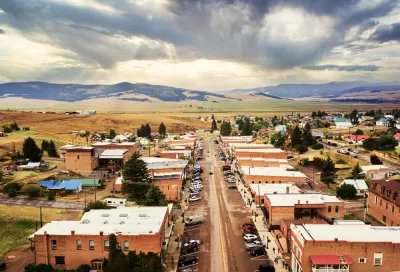
“The Biden administration this week launched a special push around rural investments under the bipartisan infrastructure law, releasing a new guidebook and other materials meant to help rural communities tap the funds, and dispatching officials to promote millions of dollars for rural projects spread out around the country.”
Bill Lucia describes the Biden administration’s efforts to highlight the importance of rural infrastructure. “Biden's infrastructure czar Mitch Landrieu, the former New Orleans mayor, noted on a press call this week that there is $14.6 billion in the package that specifically targets rural areas and that this funding is on top of billions more set aside for rural communities in some of the Department of Transportation's biggest programs.” Funding will go toward broadband infrastructure, upgraded water and sewer systems, bridges, dams, electric grid upgrades, among other projects.
That said, many rural counties are up against difficult demographic realities, with poverty rates often outpacing nonrural areas, especially in the South, and with dozens of counties, in regions like the northern Great Plains, seeing populations decline and their remaining residents grow older. How far a wave of public works spending can go towards reversing these longstanding trends remains to be seen.
Meanwhile, “[Transportation Secretary Pete Buttigieg] said his department has been ‘putting our money where our mouth is’ with rural spending even before the infrastructure package. He cited nearly $1 billion in grants awarded last year under what's known as the INFRA program as an example, saying the Transportation Department awarded 44% to rural projects, instead of the minimum required threshold of 25%.”
FULL STORY: Biden Administration Plays Up Billions for Rural Infrastructure


Federal Program Funds Broadband in Underserved Areas
The program supports efforts to improve internet connectivity in remote and rural areas.
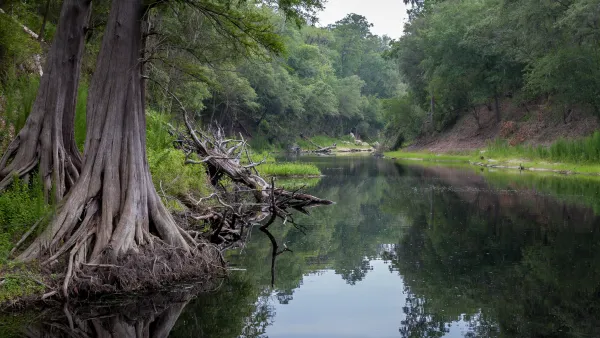
Florida Boosts Rural Infrastructure Fund
Five rural communities will receive $15 million under a new law designed to assist rural areas in developing their infrastructure.
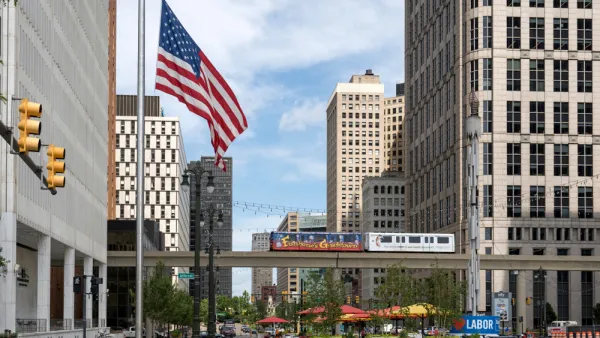
Michigan Bill To Inject Nearly $5 Billion in Infrastructure, Housing
A bill signed by the state's governor, Gretchen Whitmer, allocates billions in federal and state funding to water quality, roads and dams, broadband, and other infrastructure projects.

The state-sanctioned urbicide of Austin
People don’t kill cities. Freeways do.

US to reduce Colorado River water deliveries to Mexico
A new Colorado Treaty amendment reduces Mexico’s Colorado River water allocation by 250,000 acre feet.

New Jersey’s second-largest city bans standalone data centers
Jersey City will continue to allow co-location facilities, such as those meant for research institutions that store their own data.

Amtrak not solely to blame for New Jersey commuter rail's unreliability, report finds
A new study from the Garden State Initiative found that NJ Transit’s budget grew 20% across a 4 year period, but reliability declined significantly over the same period.

EPA erases limits on planet-warming pollution from power plants
Under Monday’s plan, power plants would still have some limits on how much mercury, arsenic and other contaminants they can emit.

Phoenix announces new on-demand transit service, more frequent RAPID buses
Both new services will launch in October, and are part of Phoenix's Project Effective Access Solutions for Easing Congestion.

FREE Course: Walkable City 1: Why Walkability?
After describing his path towards focusing on walkability as the essence of good planning, Jeff Speck marches through his five principal reasons for making more walkable places.
Reinventing Malls: Planning Alchemy—Turning Gray Fields Into Gold
The course focuses on the opportunities and imperatives that shape reinvention of mall sites.

Eagle County Government
Harvard University Graduate School of Design
Nashville Planning Department
The Architects Foundation
University of Cincinnati Online
The Pocatello Development Authority
The Urban Renewal Agency of the City of Pocatello
Journal of the American Planning Association