With office buildings facing an uncertain future in their current form, cities can tweak regulations to encourage innovative new uses.


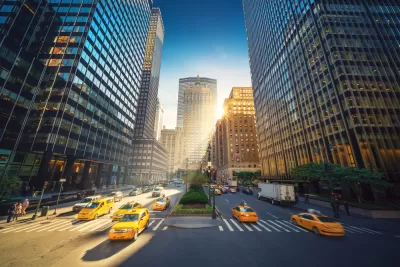
A piece written by the New York Daily News Editorial Board encourages city policymakers to "make it easier for buildings to be repurposed into different types of space that will actually serve our social environment and economy" as office buildings continue to see high vacancy rates and remote work reshapes the traditional central business district.
According to the editorial,
The most obvious choice is conversions to residential usage, but it’s by no means the only approach. Retail, gallery, even high-tech manufacturing or vertical farming should all be on the table to help use the COVID crisis as an opportunity to transform Midtown and other office-heavy areas for the better. Let the market decide.
The editorial board recommends that the city revise its "onerous and restrictive zoning ordinances, which sometimes make conversion of office space impossible, or at other times merely make it a massive, costly and logistical headache," as well as reform the property tax code to "which has long piled burdens on renters and other classes of property — including commercial tenants."
Read the full story: Office no more: Empty offices aren’t all coming back, but the space can still be a hub for innovation

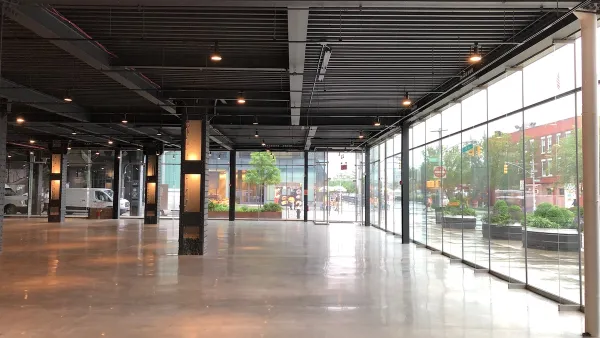
Manhattan Office-to-Apartment Conversions Doubled in 2024
Thanks in part to recent zoning changes, a record number of office space is being converted to housing in the city’s former business districts.
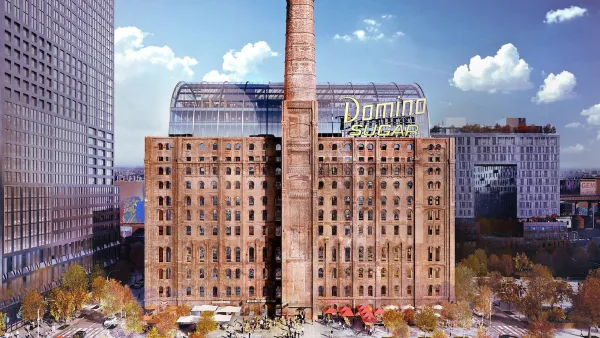
Former Brooklyn Sugar Refinery Reopens as All-Electric Office Tower
A historic building was reimagined as a 15-story office tower powered by renewable energy.
Google Shifts Real Estate Strategy to Adaptive Reuse
The company is moving away from flashy new campuses in favor of converting existing buildings with interesting histories.

Planetizen Federal Action Tracker
A weekly monitor of how Trump’s orders and actions are impacting planners and planning in America.

California plans to bury El Niño’s downpour
If the state plays its cards right, it may be able to store a billion acre-feet of El Niño’s water in aquifers.

Desperate measures: Advocates weigh draining Lake Powell to fill Colorado River
Draining the reservoir could reduce evaporation losses by a couple hundred thousand acre-feet.

How a Chicago-sized wind farm beat the odds and powered on
The project spanned five presidential administrations and a standoff with a U.S. military base.

MTA gives itself 30 days to transform pit into basketball court
The site has been under construction since 2022; the city originally estimated it would finish the court in 2024.

Non-stop party: Chicago voters weigh permanent festival grounds
A stable place for bleachers, stages and drainage may streamline the setup and teardown of large events.

FREE Course: Walkable City 1: Why Walkability?
After describing his path towards focusing on walkability as the essence of good planning, Jeff Speck marches through his five principal reasons for making more walkable places.
Reinventing Malls: Planning Alchemy—Turning Gray Fields Into Gold
The course focuses on the opportunities and imperatives that shape reinvention of mall sites.

City of Rosemead
Rutgers University, Edward J. Bloustein School of Planning and Public Policy
One Hundred Miles
Hunter College, City University of New York (CUNY)
The Architects Foundation
University of Cincinnati Online
City of Cambridge
Montrose County
The Pocatello Development Authority