As ridership dropped during the pandemic, Philadelphia's transit agency started locking station doors to keep unhoused people from using the tunnels as shelter. Now, riders are becoming trapped inside.


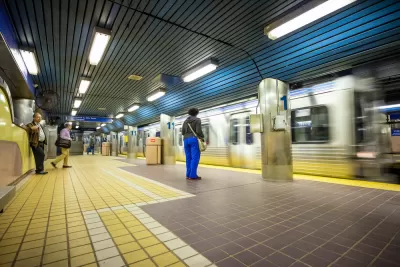
Describing the experience of one rider with a disability that forces her to minimize walking, Jake Blumgart outlines how new security measures on Philadelphia's SEPTA trains are trapping riders who now have to walk much longer distances to accessible exits or are unable to enter or exit stations altogether. "The agency confirmed at least 10 riders have been trapped in the tunnels after walking through a one-way turnstile, only to find doors to the street barred and locked."
To explain: "Center City’s rail stations are connected to a vast, and confusing, concourse system that runs beneath the heart of downtown Philadelphia. As commuter and tourist traffic vanished with the pandemic in 2020, people living on the streets increasingly used the tunnels as shelter. SEPTA closed access points and cordoned off huge sectors of the underground."
Now, writes Blumgart, "SEPTA is spending millions to contract with social service organizations to help address the issue, but the new maze of mysteriously locked doors, gated exits, and other unfriendly impediments are making the system less accessible for everyone." SEPTA has pledged to reopen some areas and provide more clear signs explaining closures. Yet "Several riders interviewed for this article found them confusing, if less inscrutable than their absence was last year."
Transit systems in other cities are experiencing similar stresses, with varied responses. "In a December 2020 survey of 115 transit agencies, half said they had experienced a surge in homeless ridership." With ridership still far below pre-pandemic levels and budgets strained, the agencies are struggling to implement new programs to offer social services and make riders feel safe.
FULL STORY: Riders are getting trapped in rail stations after SEPTA ‘hardens’ the system to keep out unhoused people

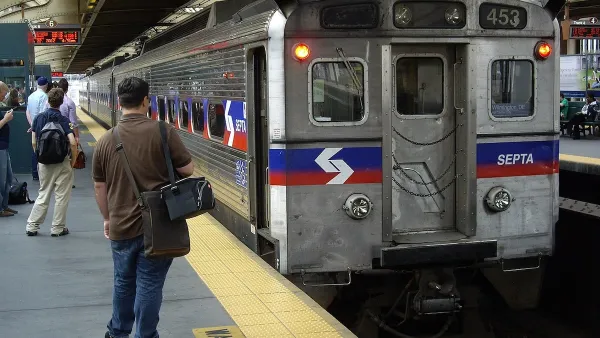
SEPTA Forced to Suspend Fleet after Five Railcar Fires in One Year
Federal regulators told the agency to stop running its Silverliner IV fleet until it can identify and fix the cause of the fires, which forced hundreds of passengers to evacuate trains.
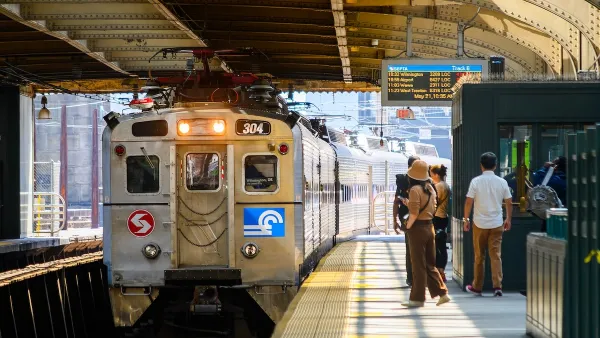
Judge Orders SEPTA to Stop Service Cuts, Fare Increases
The Philadelphia transit agency planned a ⅕ reduction in service and fare hikes to make up for its $213 million budget deficit.
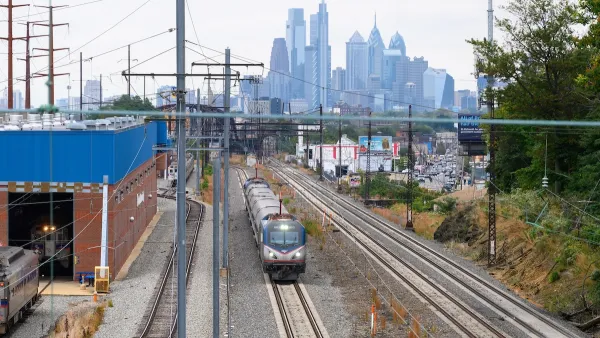
Loss of SEPTA Funding Could Kill Amtrak’s Fifth Busiest Line
The Philadelphia transit agency’s funding challenges could eliminate its contributions to Amtrak’s Keystone Service linking Philly and NYC.

Planetizen Federal Action Tracker
A weekly monitor of how Trump’s orders and actions are impacting planners and planning in America.

The state-sanctioned urbicide of Austin
People don’t kill cities. Freeways do.

US to reduce Colorado River water deliveries to Mexico
A new Colorado Treaty amendment reduces Mexico’s Colorado River water allocation by 250,000 acre feet.

Mamdani overhauls NYC's Vision Zero plan with 100 new policy goals
The overhaul aims to reduce traffic deaths and make streets safer for pedestrians, cyclists and drivers through lower speed limits, new safety infrastructure and more.

Amtrak not solely to blame for New Jersey commuter rail's unreliability, report finds
A new study from the Garden State Initiative found that NJ Transit’s budget grew 20% across a 4 year period, but reliability declined significantly over the same period.

EPA erases limits on planet-warming pollution from power plants
Under Monday’s plan, power plants would still have some limits on how much mercury, arsenic and other contaminants they can emit.

FREE Course: Walkable City 1: Why Walkability?
After describing his path towards focusing on walkability as the essence of good planning, Jeff Speck marches through his five principal reasons for making more walkable places.
Reinventing Malls: Planning Alchemy—Turning Gray Fields Into Gold
The course focuses on the opportunities and imperatives that shape reinvention of mall sites.

Eagle County Government
Harvard University Graduate School of Design
Nashville Planning Department
The Architects Foundation
University of Cincinnati Online
The Pocatello Development Authority
The Urban Renewal Agency of the City of Pocatello
Journal of the American Planning Association