The project, which relies largely on geothermal energy to minimize its carbon footprint, will bring affordable housing and boost storm resilience to an area devastated by Hurricane Sandy.


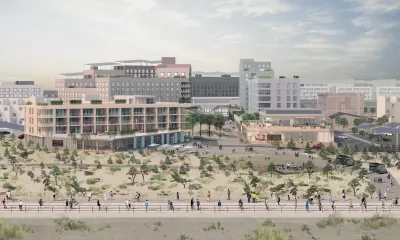
A $1-billion project on New York's Rockaway peninsula promises to be the city's first net-zero community, according to an article by Aysha Diallo. "The development will incorporate geothermal heating, passive house design to optimize energy efficiency, and a plan to raise the storm surge elevation, given the land’s vulnerability to flooding."
"The site, named Arverne East, is expected to have 1,650 units of housing, 1,320 of which are designated as affordable for formerly homeless, low, moderate and middle-income households. The design incorporates a range of green spaces, including a 35-acre nature preserve and an urban farm," writes Diallo.
As with similar redevelopment efforts, some residents worry the new development will deepen the socio-economic divide and drive up housing costs. "Compared to the west side of the peninsula, which has long been a summer getaway spot for middle- to upper-class city residents, these neighborhoods have larger minority populations and have historically fallen behind." But others hope the project will also bring much-needed economic development.
The developers will also shore up the peninsula's flood defenses, building resilience against future events like Hurricane Sandy. "The developers plan to elevate the land between three and eight feet, depending on location, so that ground floor spaces across the property are elevated by a total of 16 feet or more — higher than Hurricane Sandy’s storm surge of 14 feet."
Arverne East is the result of a years-long design and selection process that culminated in the current design by L+M Development Partners, the Bluestone Organization and Triangle Equities.
FULL STORY: NYC’s First Net Zero Community Brings Housing to Storm-Ravaged Neighborhood

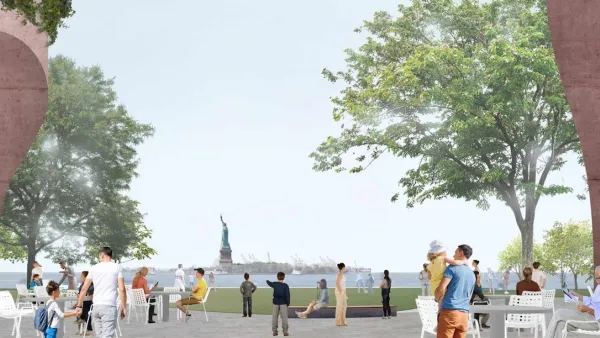
Battery Park Resilience Project Breaks Ground
By 2027, the shoreline will be elevated by 5 feet to prevent flooding from future storm surges.
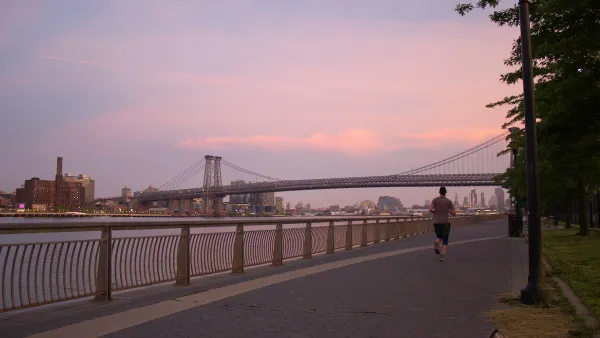
East River Floodgates Rising in NYC
A tour of new infrastructure designed to protect the city’s East Side from catastrophic flooding.
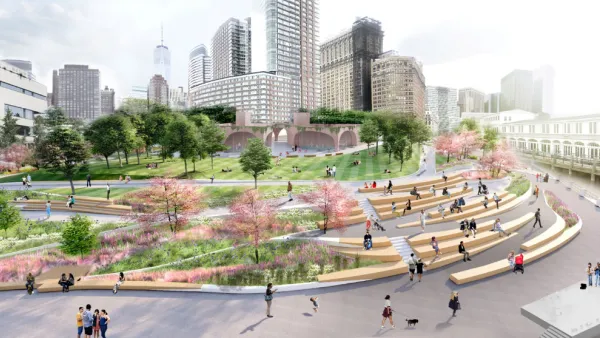
In Battery Park City, Public Infrastructure Meets Climate Resilience
A massive project underway in Lower Manhattan seeks to protect the shoreline from future flooding and mitigate the effects of climate change and rising sea levels.

Planetizen Federal Action Tracker
A weekly monitor of how Trump’s orders and actions are impacting planners and planning in America.

The state-sanctioned urbicide of Austin
People don’t kill cities. Freeways do.

US to reduce Colorado River water deliveries to Mexico
A new Colorado Treaty amendment reduces Mexico’s Colorado River water allocation by 250,000 acre feet.

Mamdani overhauls NYC's Vision Zero plan with 100 new policy goals
The overhaul aims to reduce traffic deaths and make streets safer for pedestrians, cyclists and drivers through lower speed limits, new safety infrastructure and more.

Amtrak not solely to blame for New Jersey commuter rail's unreliability, report finds
A new study from the Garden State Initiative found that NJ Transit’s budget grew 20% across a 4 year period, but reliability declined significantly over the same period.

EPA erases limits on planet-warming pollution from power plants
Under Monday’s plan, power plants would still have some limits on how much mercury, arsenic and other contaminants they can emit.

FREE Course: Walkable City 1: Why Walkability?
After describing his path towards focusing on walkability as the essence of good planning, Jeff Speck marches through his five principal reasons for making more walkable places.
Reinventing Malls: Planning Alchemy—Turning Gray Fields Into Gold
The course focuses on the opportunities and imperatives that shape reinvention of mall sites.

Eagle County Government
Harvard University Graduate School of Design
Nashville Planning Department
The Architects Foundation
University of Cincinnati Online
The Pocatello Development Authority
The Urban Renewal Agency of the City of Pocatello
Journal of the American Planning Association