The billion-dollar investment in the state's water supplies sounds good on paper, but lawmakers must also distribute funding effectively to mitigate the state's urgent water shortage.


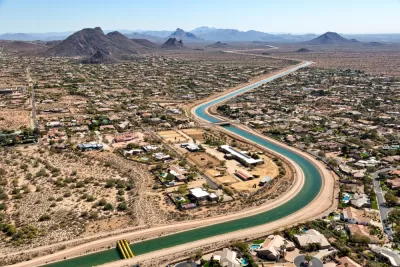
An op-ed by Joanna Allhands argues that Arizona governor Doug Ducey's recent proposal to commit $1 billion to water projects won't be enough to solve the state's water woes. The governor's vague pledge, Allhands writes, leaves many unanswered questions about how the funds will be distributed.
Allhands also suggests that the governor's proposal doesn't bring enough attention to conservation, rather choosing to focus on projects that seek to augment water supplies. "If we only focus on finding new water, it leaves little incentive to use the water we have more wisely – something we could do quicker and, in most cases, at far lower cost."
According to Allhands, many of the more glamorous projects like desalination plants depend on other parties and are years away from completion. Meanwhile, the state could "raid" the general fund and deplete the water funding before it's allocated to specific projects.
Allhands cautions that lawmakers shouldn't forget about the policy side of things, even though those might be more difficult conversations. State leaders must tackle "not only how we sustain the uses that are already here, but also how we grow and where and (importantly) who pays for all of this."
Southwestern states are facing increasingly dire drought conditions. Last summer, when Lake Mead reached historic lows not seen since the reservoir's construction, the federal government declared a water shortage and implemented cutbacks for farmers and water agencies across the region.
FULL STORY: How many of Arizona's water woes would $1 billion solve? That's the question

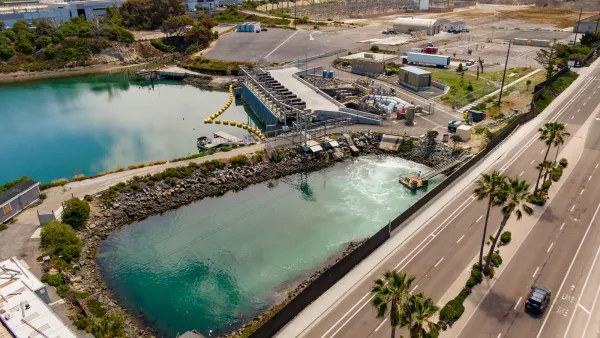
New agreement would let Arizona, Nevada use water from California desalination plant
The plan will help reduce strain on Lake Mead during extreme drought periods.
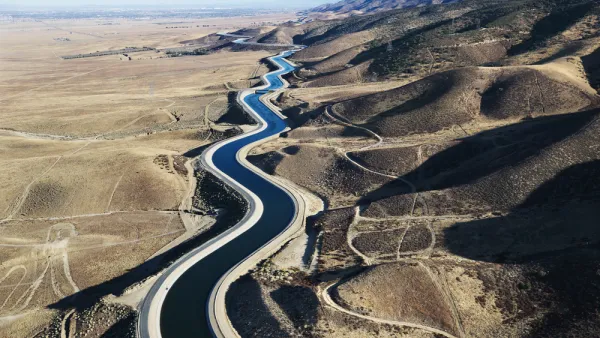
California Governor Outlines Plan for a ‘Hotter, Drier Future’
With California’s water supply expected to drop by 10 percent in the next two decades, Governor Newsom’s strategy calls for conservation and increased investment in water collection, storage, and desalination infrastructure.
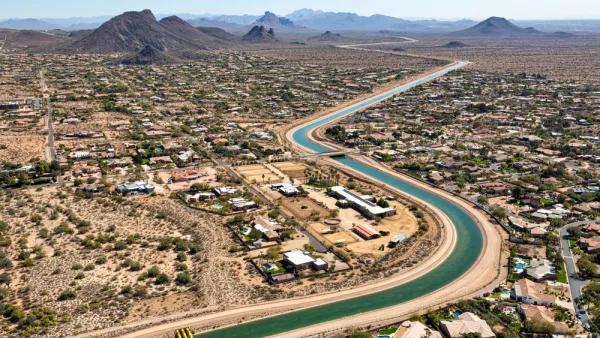
Booming Arizona Must Confront its Water Problem
Even as more people and companies flock to the state for its climate and economic opportunities, Arizona's water supplies are facing historic shortages.

The state-sanctioned urbicide of Austin
People don’t kill cities. Freeways do.

US to reduce Colorado River water deliveries to Mexico
A new Colorado Treaty amendment reduces Mexico’s Colorado River water allocation by 250,000 acre feet.

New Jersey’s second-largest city bans standalone data centers
Jersey City will continue to allow co-location facilities, such as those meant for research institutions that store their own data.

Amtrak not solely to blame for New Jersey commuter rail's unreliability, report finds
A new study from the Garden State Initiative found that NJ Transit’s budget grew 20% across a 4 year period, but reliability declined significantly over the same period.

EPA erases limits on planet-warming pollution from power plants
Under Monday’s plan, power plants would still have some limits on how much mercury, arsenic and other contaminants they can emit.

Phoenix announces new on-demand transit service, more frequent RAPID buses
Both new services will launch in October, and are part of Phoenix's Project Effective Access Solutions for Easing Congestion.

FREE Course: Walkable City 1: Why Walkability?
After describing his path towards focusing on walkability as the essence of good planning, Jeff Speck marches through his five principal reasons for making more walkable places.
Reinventing Malls: Planning Alchemy—Turning Gray Fields Into Gold
The course focuses on the opportunities and imperatives that shape reinvention of mall sites.

Eagle County Government
Harvard University Graduate School of Design
Nashville Planning Department
The Architects Foundation
University of Cincinnati Online
The Pocatello Development Authority
The Urban Renewal Agency of the City of Pocatello
Journal of the American Planning Association