Landlords have been unable to raise rents on rent stabilized apartments in Los Angeles since March 2020. Unlike in other large cities with similar rules, Los Angeles won't be removing the rent cap anytime soon.


Landlords in Los Angeles "are prohibited from raising the cost of more than 650,000 rent-stabilized units citywide, which represents nearly three-quarters of L.A.’s apartment stock," according to an article by Liam Dillon for the Los Angeles Times.
The prohibition was one of the measures signed into law by Mayor Eric Garcetti in an emergency order in March 2020, explains Dillon.
So far, the pandemic rent cap hasn't affected the city's housing market, but one local expert, Richard Green, director of the University of Southern California Lusk Center for Real Estate, is cited in the article warning about the potential long-term consequences of the rent cap. "But he said he worries that the longer it continues, the less likely it is for upwardly mobile tenants to leave their existing apartments, keeping what would be lower-cost units unavailable for others."
In the meantime, tenants are benefitting from cap—as rental price have rebounded from pandemic lows in January 2021 and even surpassing pre-pandemic levels in an already expensive city. And landlords are unhappy, saying it's harder to balance the books when factoring in so many increasing costs, "including labor and materials for building repairs as well as city fees for trash pickup."
Dillon also provides a comparison about Los Angeles' rent stabilization emergency order compared to other large cities around the country—New York, San Francisco, and Washington, D.C. Of those cities, Los Angeles is the only to leave its emergency rent stabilization rules in place beyond the first few months of 2022.
FULL STORY: Even in a hot market, L.A. won’t allow rent hikes for most tenants until 2023

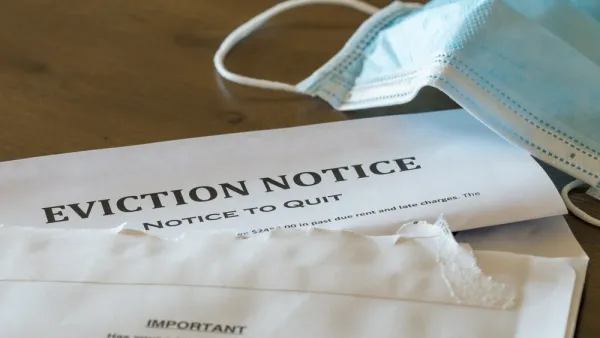
Federal Judge Tosses CDC's Eviction Moratorium
"The CDC order must be set aside," said U.S. District Judge Dabney Friedrich in a ruling announced Wednesday, May 5.
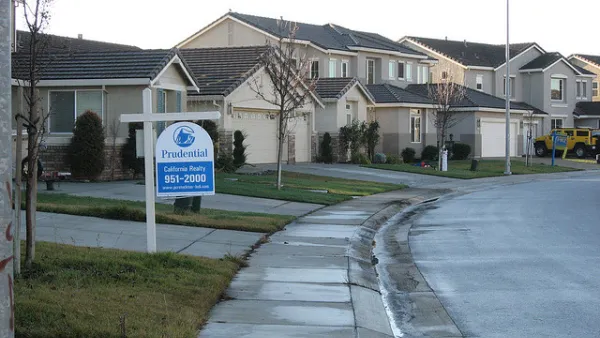
When Wall Street Controls the Housing Market
A debate about the effect of the increasing footprint of large, institutional investors in the housing market is further fragmenting the politics of development in the United States.
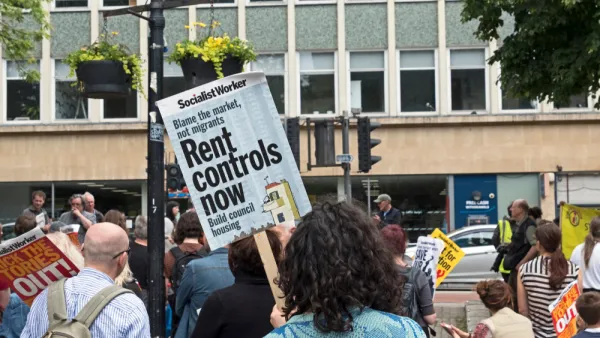
Another Rent Control Initiative on the Ballot in California
There are significant differences between Proposition 21, a statewide rent control measure on the ballot in California, compared to a similar measure defeated soundly by voters in 2018.

The state-sanctioned urbicide of Austin
People don’t kill cities. Freeways do.

US to reduce Colorado River water deliveries to Mexico
A new Colorado Treaty amendment reduces Mexico’s Colorado River water allocation by 250,000 acre feet.

New Jersey’s second-largest city bans standalone data centers
Jersey City will continue to allow co-location facilities, such as those meant for research institutions that store their own data.

Amtrak not solely to blame for New Jersey commuter rail's unreliability, report finds
A new study from the Garden State Initiative found that NJ Transit’s budget grew 20% across a 4 year period, but reliability declined significantly over the same period.

EPA erases limits on planet-warming pollution from power plants
Under Monday’s plan, power plants would still have some limits on how much mercury, arsenic and other contaminants they can emit.

Phoenix announces new on-demand transit service, more frequent RAPID buses
Both new services will launch in October, and are part of Phoenix's Project Effective Access Solutions for Easing Congestion.

FREE Course: Walkable City 1: Why Walkability?
After describing his path towards focusing on walkability as the essence of good planning, Jeff Speck marches through his five principal reasons for making more walkable places.
Reinventing Malls: Planning Alchemy—Turning Gray Fields Into Gold
The course focuses on the opportunities and imperatives that shape reinvention of mall sites.


Eagle County Government
Harvard University Graduate School of Design
Nashville Planning Department
The Architects Foundation
University of Cincinnati Online
The Pocatello Development Authority
The Urban Renewal Agency of the City of Pocatello
Journal of the American Planning Association